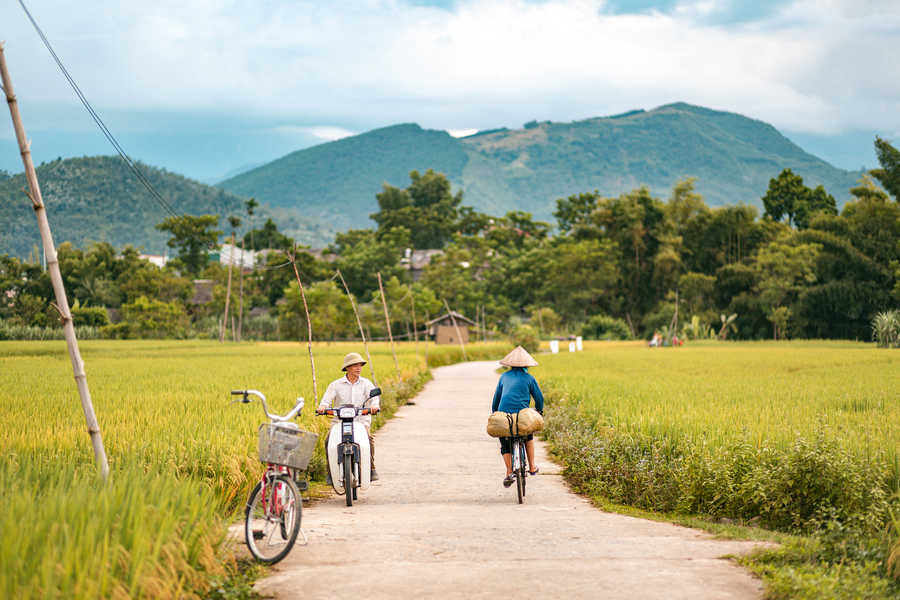






Northern Vietnam is not just another destination. It is a region in its own right, with its own landscapes, its own rhythms and its own cultures. From the terraced rice fields of Mu Cang Chai to the streets of Hanoi, from the misty ridges of Ha Giang to the caves of Ninh Binh, every kilometre travelled here tells a different story. We have been guiding French-speaking travellers through northern Vietnam since 2005, and we continue to rediscover it with every circuit.
This guide was designed to give you a clear and honest picture of what travelling in this region involves: the must-sees, the lesser-known destinations, the right durations, the best seasons — and the pitfalls to avoid.
What makes northern Vietnam so different from the rest of the country?
Northern Vietnam stands out for its mountains, its ethnic minorities and an exceptionally rich natural heritage, very different from the tropical south.
Many travellers arrive in Vietnam with a fairly uniform image of the country. The north almost always surprises them. The difference is first and foremost geographical: here you leave the tropical plains and enter a world of relief, steep valleys and plateaus reaching over 3,000 metres. Fansipan, Indochina’s highest peak at 3,143 metres, rises above Sapa as a constant reminder that this region belongs to a different altitude — literally and figuratively.
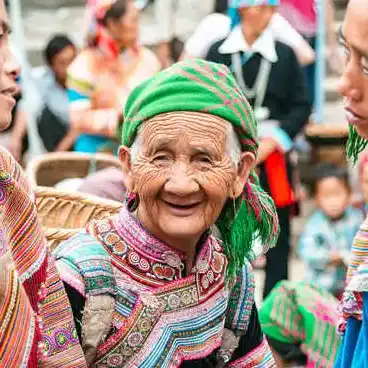
Cultural diversity is also far more pronounced here than in the south. In the north-western provinces alone, there are around fifty ethnic groups: Black H’Mong, Red Dao, Tay, Giay, Muong… Each with its own costumes, languages, weekly markets and rituals. It is this human richness, as much as the landscapes, that makes a journey through this part of Vietnam so singular.
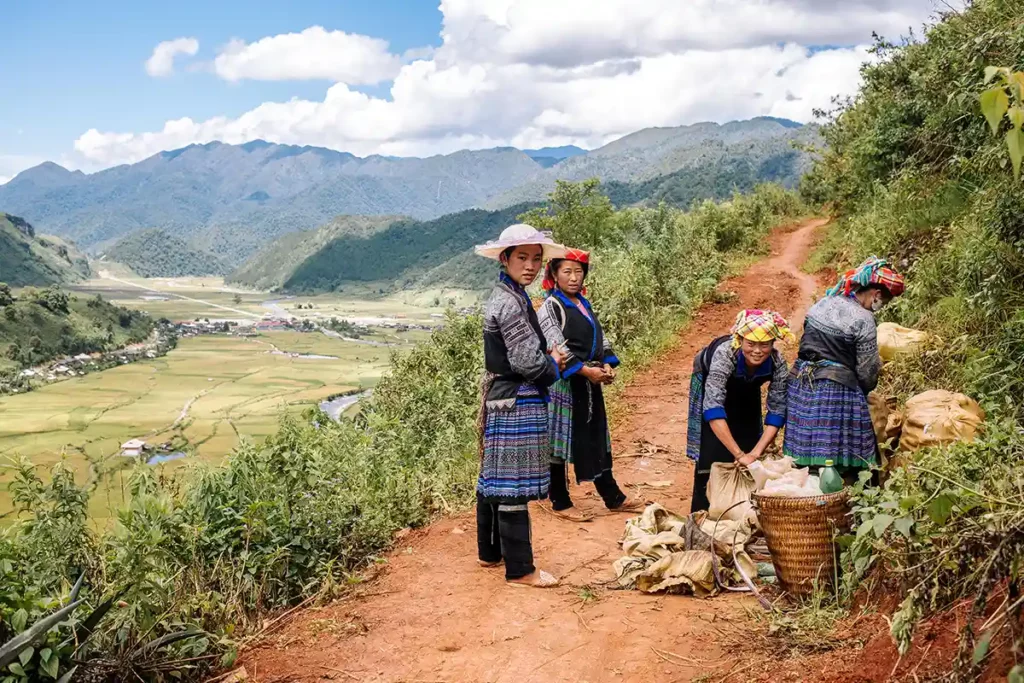
Finally, the north retains a historical depth that few regions in Southeast Asia can claim: Hanoi is one of the oldest capitals on the continent, and the karst landscapes of Ha Long Bay and Ninh Binh have been UNESCO World Heritage Sites for decades.
What are the must-sees on a trip to northern Vietnam?
Hanoi, Ha Long Bay, Ninh Binh, Sapa and Ha Giang are the five pillars of a trip to northern Vietnam, each offering a radically different experience.
The most iconic destinations in the north each deserve close attention. We cover them in detail in our article on the best destinations in northern Vietnam, but here are the key things to know before planning your itinerary.
Hanoi — the capital with a thousand faces
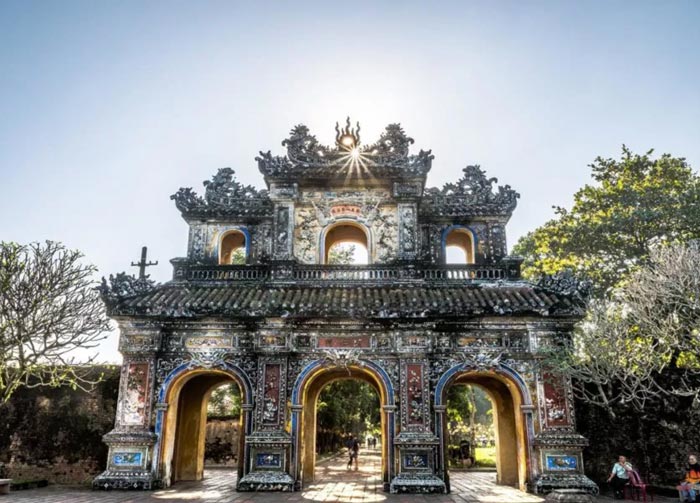
Hanoi is often treated as a simple transit stop. That is a mistake. The old town with its 36 guilds, the shores of Hoan Kiem Lake at sunrise, the cafés tucked away in the alleyways of Ba Dinh, the museums rich in colonial history — Hanoi deserves at least two nights, ideally three. We systematically recommend spending both the beginning and end of a stay here, to let the city surprise you twice.

Ha Long Bay and Bai Tu Long Bay
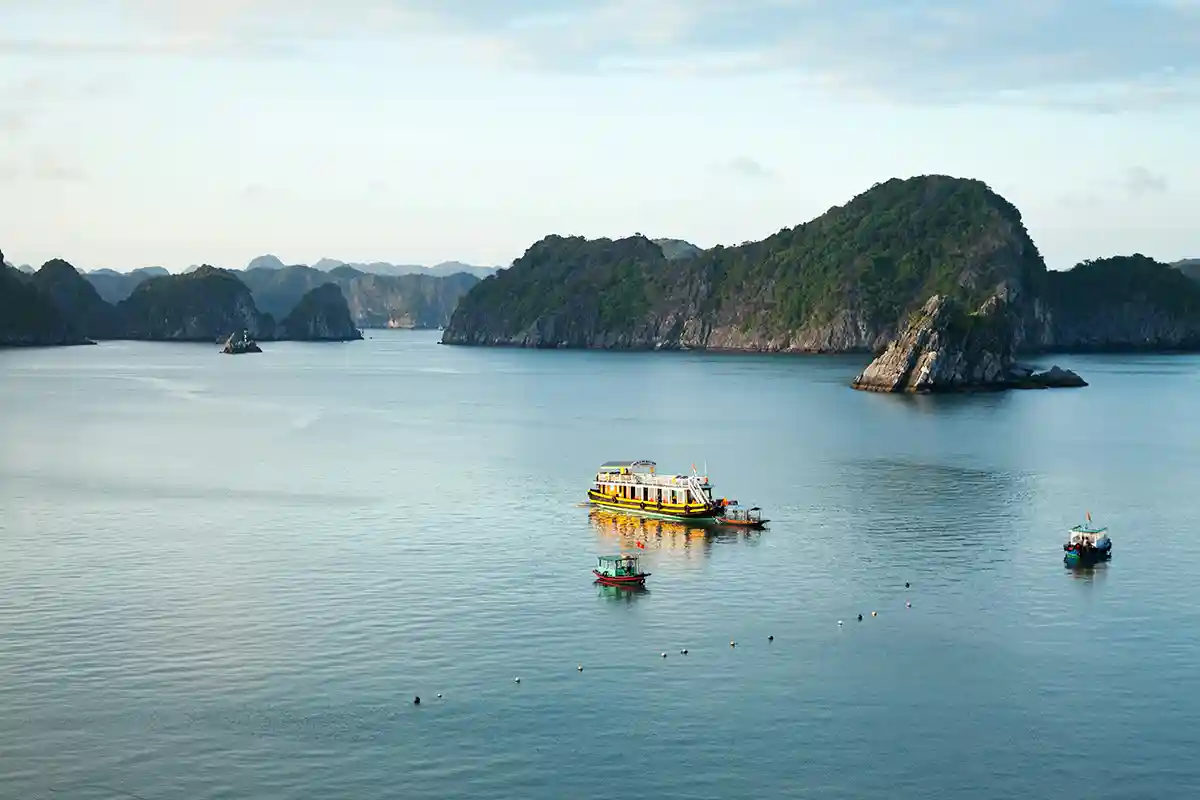
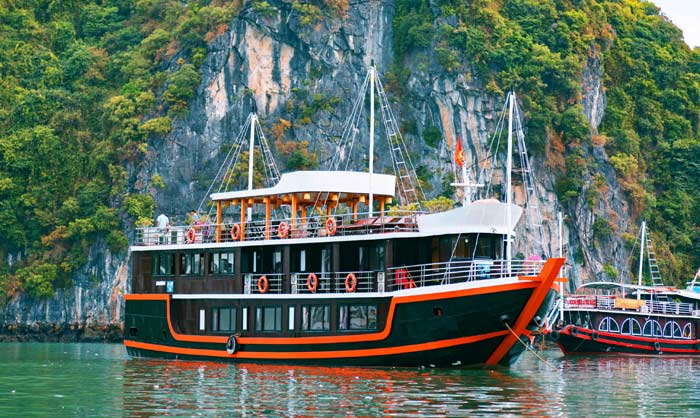
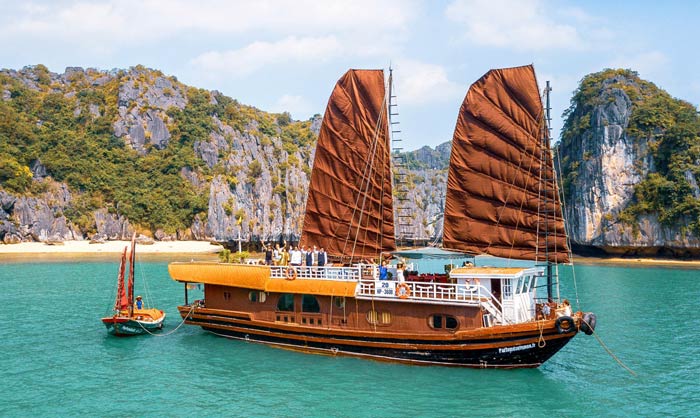
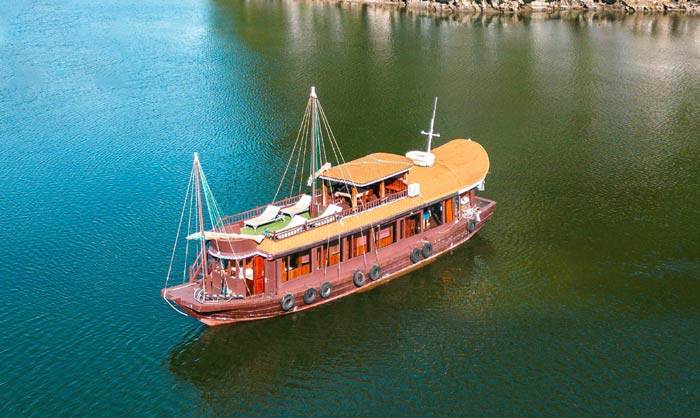
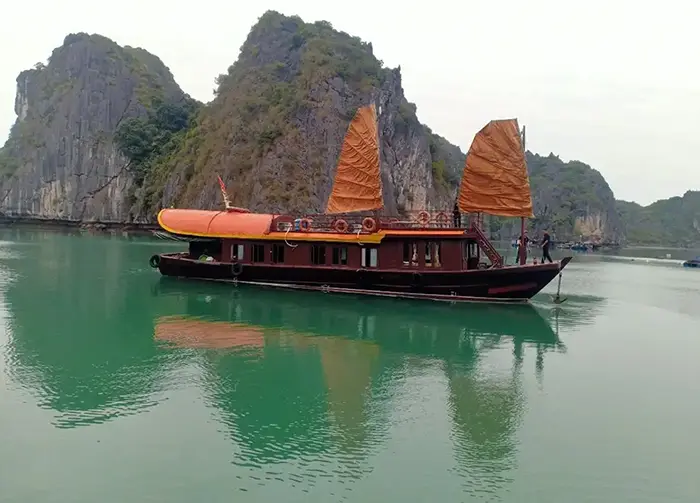
Ha Long Bay (1,553 km²) is one of the most photographed natural wonders in Asia. Its 1,969 limestone islets rising from emerald waters create a breathtaking landscape. We often recommend going a little further, to Bai Tu Long Bay, less crowded and equally spectacular: the same karst formations are there, with a serenity that the main bay does not always offer anymore.

Ninh Binh — the inland Halong
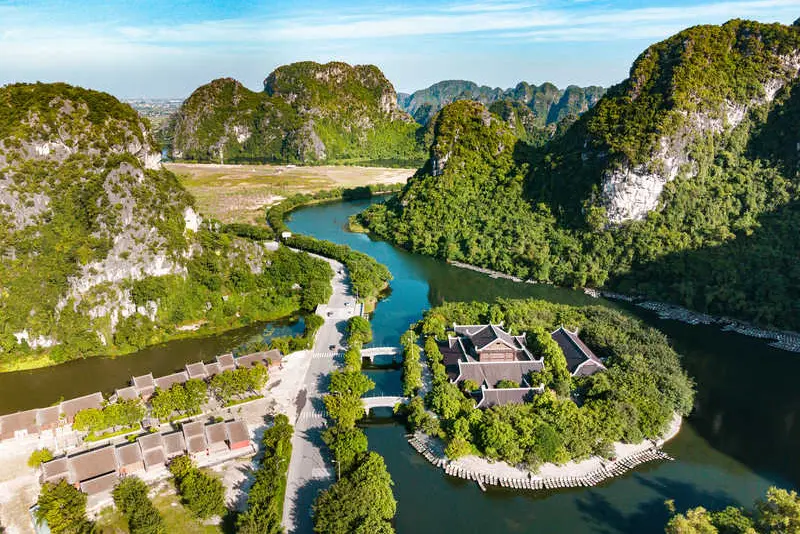
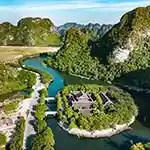
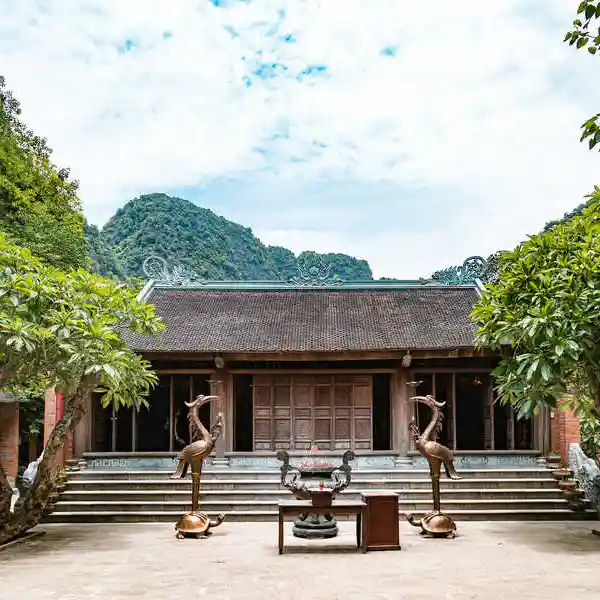
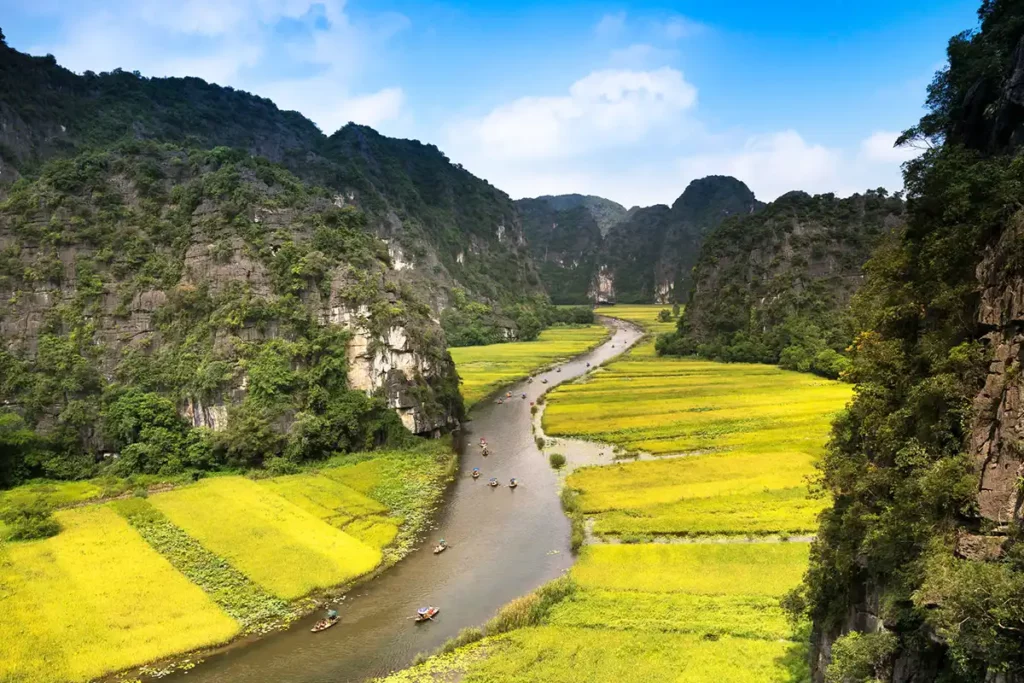
Nicknamed the inland Ha Long Bay, Ninh Binh is one of the north’s most beautiful surprises. The rice fields of Tam Coc, the cliffs of Trang An, the temple of Hoa Lu and Cuc Phuong national park make up an exceptionally rich ensemble, accessible within two hours from Hanoi. It is a stop we include in almost all our northern circuits, as it is both dense and easy to reach.
Sapa — terraced rice fields and ethnic villages
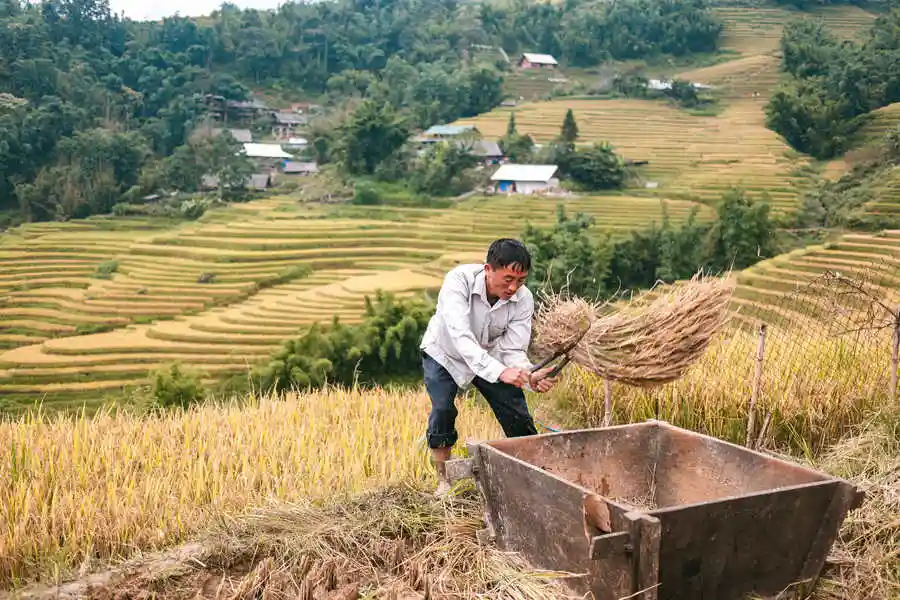
Sapa has become in just a few years the most popular mountain destination in Vietnam. Its terraced rice fields, ranked among the most beautiful in the world, are at their peak between July and October — during the rice ripening season. The H’Mong and Dao villages in the surrounding valleys (Cat Cat, Ta Van, Lao Chai) offer authentic human encounters, provided you approach them with time and respect.
Ha Giang — the accessible end of the world
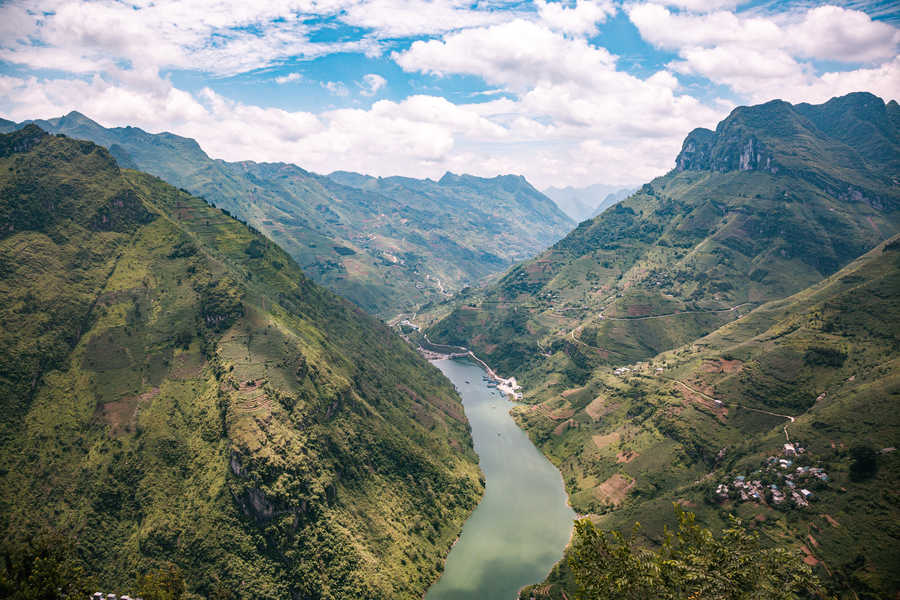
Ha Giang is the northern frontier. The four-pass circuit — Ma Pi Leng, Quan Ba, Yen Minh, Dong Van — is now considered one of the most beautiful road itineraries in Southeast Asia. The Dong Van karst plateau is a UNESCO Global Geopark. Ha Giang requires time (minimum 4 days) and some experience of travelling in remote areas, but those who venture there come back transformed.
Which lesser-known destinations are worth the detour in northern Vietnam?
Mu Cang Chai, Pu Luong, Cao Bang and Mai Chau offer landscapes and encounters comparable to the major sites, without the crowds.
One of the great strengths of northern Vietnam is its depth. Beyond the iconic destinations, there is an entire geography of valleys, villages and roads that appear in no top 10 list — and that is precisely what gives them their value.
Mu Cang Chai — Vietnam’s most beautiful terraces
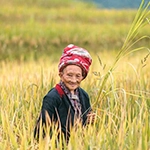
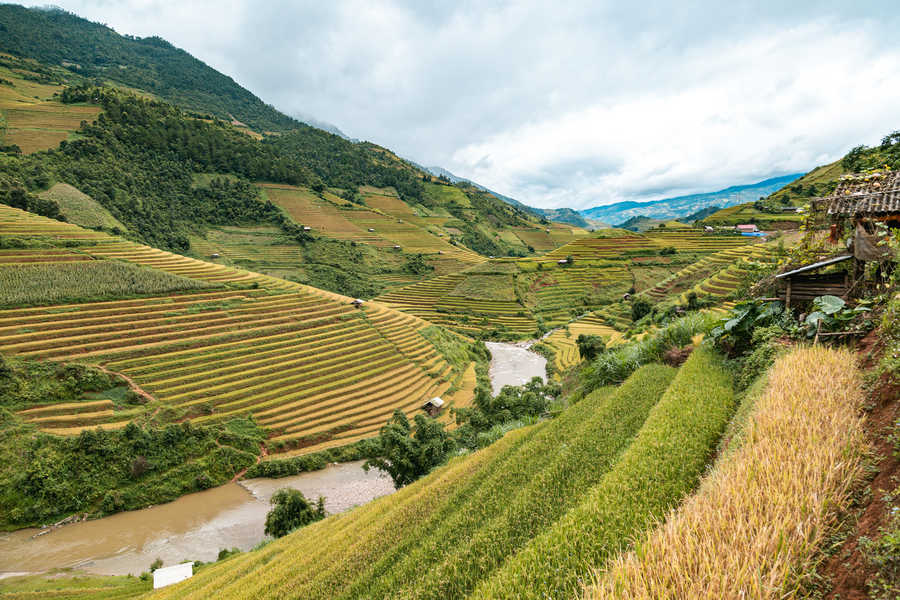
Mu Cang Chai is three hours south-east of Sapa. Its terraced rice fields, carved into the mountainside by H’Mong communities over generations, are often considered even more spectacular than those of Sapa by travellers who know both. The best time: late September to mid-October, during the harvest, when the terraces turn golden.
Pu Luong — the preserved alternative
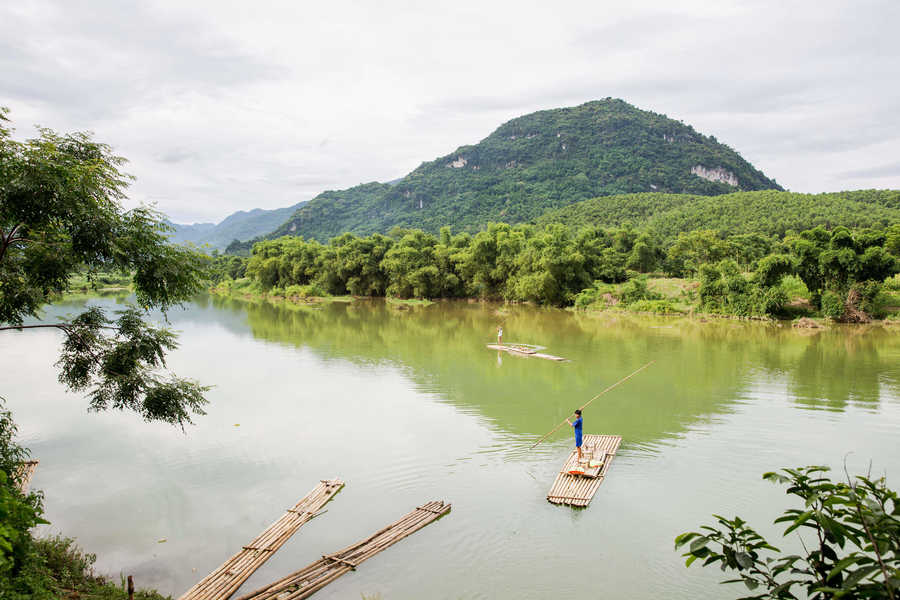
The Pu Luong Nature Reserve, in Thanh Hoa province, offers an immersion in northern landscapes without the crowds. Green valleys, Thai stilt villages, waterfalls and rice fields follow one another in a largely preserved setting. Pu Luong combines naturally with Ninh Binh for a very coherent 5 to 6-day circuit.
Cao Bang — at the far northern edge
Cao Bang may be our least-shared favourite. On the borders of the Chinese frontier, this province is home to Ban Gioc waterfall — the largest in Southeast Asia — and Phia Oac national park. The roads are winding, the villages sparse, and the raw natural landscapes simply breathtaking. A destination for travellers seeking remoteness.

Mai Chau — the valley of the Thai women
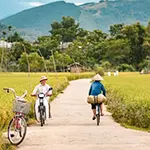
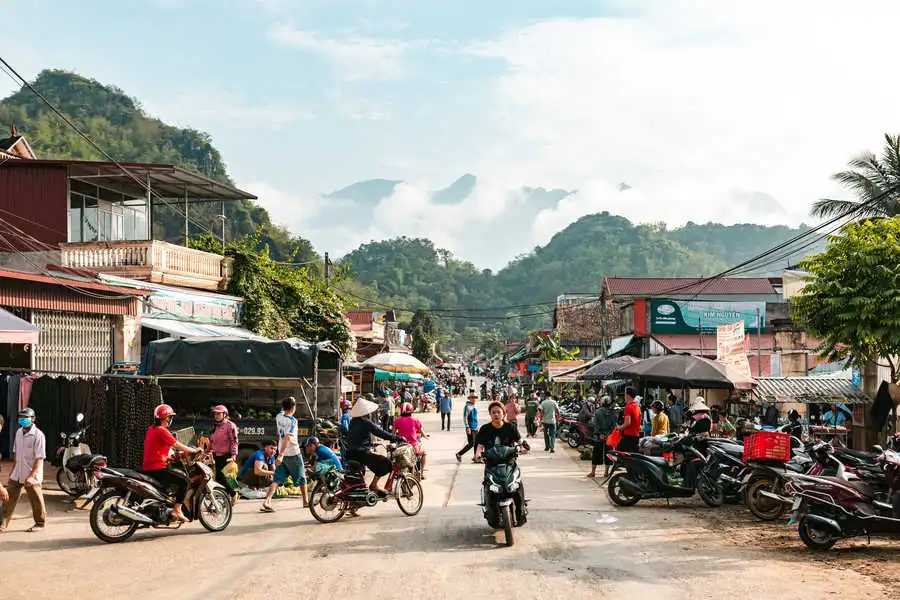
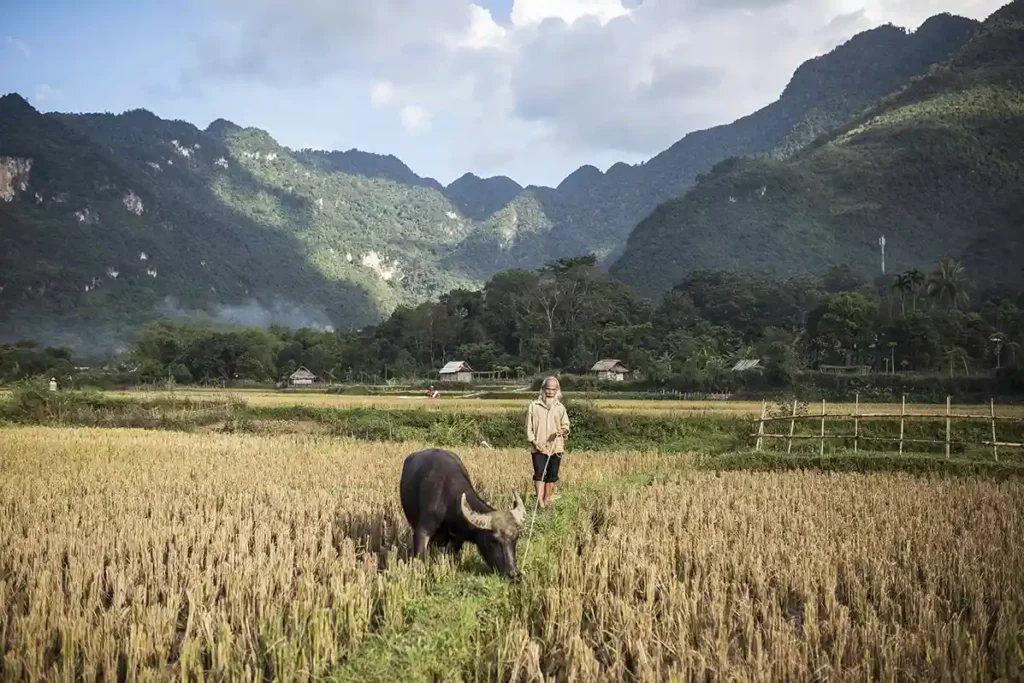
Three hours from Hanoi, the Mai Chau valley offers a gentle and accessible immersion into Thai culture. Homestay accommodation has been well developed here for many years and remains authentic. It is often the first stop we suggest to travellers who want to discover northern minorities without venturing too far from the capital.
How long do you need for a trip to northern Vietnam?
Allow at least 10 days to see the highlights of northern Vietnam, and 15 days for a complete trip including Ha Giang or more remote destinations.
This is the question we are asked most often. The answer obviously depends on your priorities, but here is what we observe concretely when building our circuits:
| Duration | What you can cover | Our recommendation |
|---|---|---|
| 7 – 8 days | Hanoi + Halong + Ninh Binh | Short but coherent trip, without rushing |
| 10 – 12 days | Hanoi + Halong + Ninh Binh + Sapa | The classic combination, well-balanced |
| 14 – 16 days | Hanoi + Halong + Ninh Binh + Sapa + Ha Giang or Mu Cang Chai | The ideal circuit to see the best of the north |
| 18 – 21 days | All of the above + off-the-beaten-track destinations | For going deeper and slowing down |
Our 15-day Northern Vietnam Panorama circuit is designed precisely to cover the region’s highlights at a comfortable pace, without sacrificing time for encounters and immersion. It is the format we recommend as a priority for a first complete trip to the north.
What is the best time to travel to northern Vietnam?
Autumn (September to November) is the best time for northern Vietnam: mild temperatures, clear skies and golden rice fields in the mountain valleys.
Northern Vietnam experiences four distinct seasons, which makes it noticeably different from the centre or south in terms of planning. Weather also varies with altitude: it can be 10°C in Sapa in January while it is 20°C in Hanoi on the same day.
| Period | Weather in Hanoi | Weather at altitude (Sapa / Ha Giang) | Field notes |
|---|---|---|---|
| Jan. – Feb. | Cool and humid, 15–18°C | Cold, mist, sometimes frost above 1,500m | Atmospheric but warm clothing essential |
| Mar. – Apr. | Mild, light drizzle, 20–25°C | Fresh greenery emerging, frequent mist | Beautiful period, plum trees in blossom in the valleys |
| May – Jun. | Hot and humid, 28–32°C | Flooded rice fields, intense green | Magnificent colours, some rain expected |
| Jul. – Aug. | Hot and rainy, 30–34°C | Rainy season, roads sometimes difficult | Avoid for Ha Giang. Sapa remains beautiful but wet |
| Sep. – Oct. | Mild and sunny, 25–28°C | Golden rice fields, clear skies | Best period: ideal for Sapa and Mu Cang Chai |
| Nov. – Dec. | Cool and dry, 18–22°C | Cold at altitude, very fine weather | Excellent period, magnificent light |
Our general recommendation: if you only have one window to choose, go for September-October for the rice fields, or November-December for overall climate comfort. March-April is also very pleasant if you want to avoid the peak tourist season.
How should you organise your trip to northern Vietnam?
A trip to northern Vietnam can be organised independently for the classic destinations, but remote areas such as Ha Giang or Cao Bang benefit greatly from guided support.
The question of organisation arises differently depending on the stages you have in mind. Hanoi, Halong and Ninh Binh are easy to tackle independently, with good transport logistics. Things become more complex once you head towards Ha Giang, Cao Bang or the remote valleys of the north-west, where roads are winding, accommodation is uneven and reference points are less obvious.
Using a local agency has several concrete advantages:
- Transfers are organised and reliable — no surprises when heading to a pass at 1,800 metres altitude.
- Accommodation is pre-selected according to comfort and authenticity criteria that online booking platforms do not always reflect accurately.
- Local guides speak the languages of ethnic minorities — which radically changes the quality of an encounter in an H’Mong or Dao village.
- The itinerary can be adjusted in real time according to the weather, your wishes or an unexpected discovery.
We offer a comprehensive range of northern Vietnam tours, all tailor-made from Hanoi, with English-speaking guides who know the region in its finest details. Every itinerary can be adapted to your pace, your interests and your budget.