










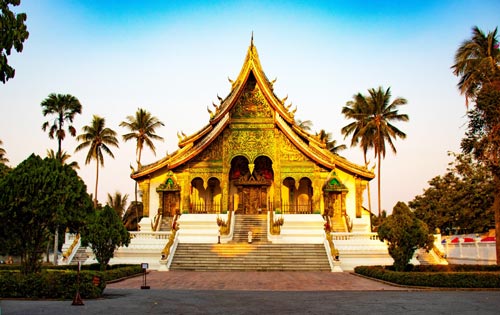

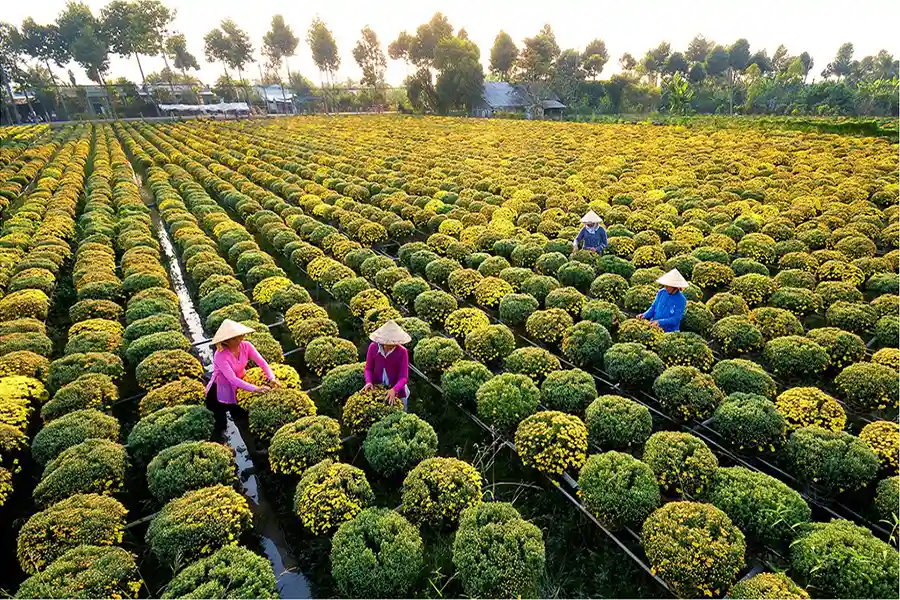
How do you capture the full cultural richness of a country without getting lost in complicated logistics or poorly planned journeys? As French-speaking experts living on the ground, we have mapped out this 3-week Vietnam itinerary to offer you a smooth journey from north to south — from the karst landscapes of Ninh Binh to the vibrant energy of the Mekong Delta. Draw on our field knowledge to keep your budget under control and access genuinely authentic human experiences, far from mass tourism, for a trip you will never forget.
Preparing your 3-week trip to Vietnam: the essentials
The best time for a north-to-south journey
To make the most of a 3-week Vietnam itinerary, aim for the window between November and May. This is the dry season across most of the country, reducing the risk of the torrential rain that can derail visits.
Pay attention to regional nuances. The North often turns cool in winter (December to February), while the Centre faces typhoon risks from September to November. The South, for its part, remains reliably warm and tropical throughout the year.
This period offers the safest compromise for crossing the entire country without being caught out by extreme weather.
Visa: a formality now made simple
Good news for travellers: the 45-day visa exemption now applies to French, Belgian and Swiss nationals. This is a major change that significantly simplifies the planning process.
A standard 21-day circuit falls comfortably within this framework. No more lengthy consular procedures or expensive invitation letters. You land, your passport gets stamped, and the adventure begins immediately.
Just make sure your passport remains valid for six months beyond your planned departure date.
Currency and payments: our on-the-ground advice
You will be handling millions here. The local currency, the Vietnamese Dong (VND), can be disorienting with its many zeros. Allow approximately 26,300 VND to the dollar (around 30,300 to the euro, August 2026 rate) — a rate that generally works in favour of your purchasing power.
Always keep cash on you. It is absolutely essential for paying for a bánh mì on the street, bargaining at a market or settling purchases in remote villages. ATMs are fortunately plentiful in towns and cities.
Bank cards work very well in hotels and restaurants in larger cities, but do not count on them everywhere.
Building your itinerary: finding the right pace
We say it often: three weeks is the ideal duration for a first immersion. It allows you to connect north and south without racing against the clock. The classic mistake is trying to tick every tourist box.
Knowing what to leave out is part of the art. It is far better to absorb the atmosphere of a few key stages than to skim ten sites at breakneck speed.
Our approach favours a careful balance. We weave together unmissable sites like Halong Bay with more authentic human experiences, well away from the tourist buses.
Our suggested 21-day Vietnam itinerary
Overview of the north-to-south route
This travel framework is a solid, field-tested foundation built from our years of experience. It is designed to give you a complete and coherent vision of the country. It is an ideal structure — but of course fully customisable to your wishes.
We favour the north-to-south direction because it is the most logical geographically. It also tends to offer a pleasant climatic progression throughout the stay: you begin in the relative cool of the north and finish in the warmth of the south.
Here is a summary table to help you grasp the structure of this 3-week Vietnam itinerary at a glance.
| Days | Region | Main stage | Highlights | Night |
|---|---|---|---|---|
| Days 1–2 | North | Hanoi | Old Quarter, Hoan Kiem Lake | Hanoi |
| Days 3–6 | North | Mountains (Hoang Su Phi / Sapa) | Trekking in terraced rice fields, ethnic minority markets | Homestay / Lodge |
| Days 7–8 | North | Ninh Binh | Rowing boat at Tam Coc, Hang Mua Peak | Ninh Binh (Tam Coc) |
| Days 9–10 | North | Lan Ha Bay | Junk cruise, kayaking, swimming | Night on the junk |
| Day 11 | Transition | Flight Hai Phong/Hanoi → Hue | Transfer to the Centre | Hue |
| Days 12–14 | Centre | Hue | Imperial Citadel, royal tombs, Perfume River | Hue |
| Days 15–17 | Centre | Hoi An | Old town, countryside by bicycle, cooking class | Hoi An |
| Days 18–20 | South | Mekong Delta | Can Tho floating market, Ben Tre boat ride | Can Tho / Homestay |
| Day 21 | South | Ho Chi Minh City | Colonial heritage sites, departure | Departure |
The sections below detail each major stage to give you a genuine feel for the journey. They will help you picture the reality of the trip and understand why we selected these specific stops.
Keep in mind that this plan is meant to serve as inspiration. Tailor-made travel is precisely about adapting it to each person. To explore other options or build this itinerary with our advisors, browse our 21-day Vietnam tours.
Week 1: immersion in the authentic and spectacular North
Let us dive into the first week — often the most disorienting — which confronts you with the energy of the capital and the majesty of the mountain landscapes.
Days 1–2: Hanoi, cultural shock well managed
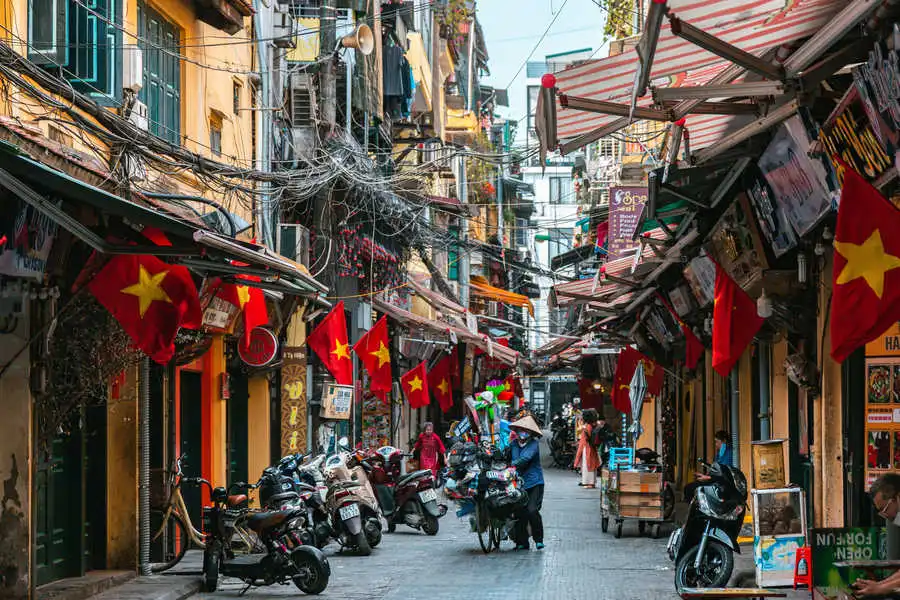
Landing in Hanoi means taking an immediate hit the moment you step out of the airport. The Old Quarter pulls you into a relentless whirl of horns and thousands of scooters. It can be alarming at first — that is perfectly normal. But trust us: you end up loving this organised chaos.
To catch your breath, head to Hoan Kiem Lake early in the morning to watch locals practising tai chi. Follow up with the Temple of Literature for a moment of calm. The real purpose here is simply to wander with your eyes wide open.
You cannot begin a 3-week Vietnam itinerary without sitting down on a plastic stool. A steaming bowl of phở or a bún chả on the street is non-negotiable.
Days 3–6: mountain adventure — Sapa or Hoang Su Phi?
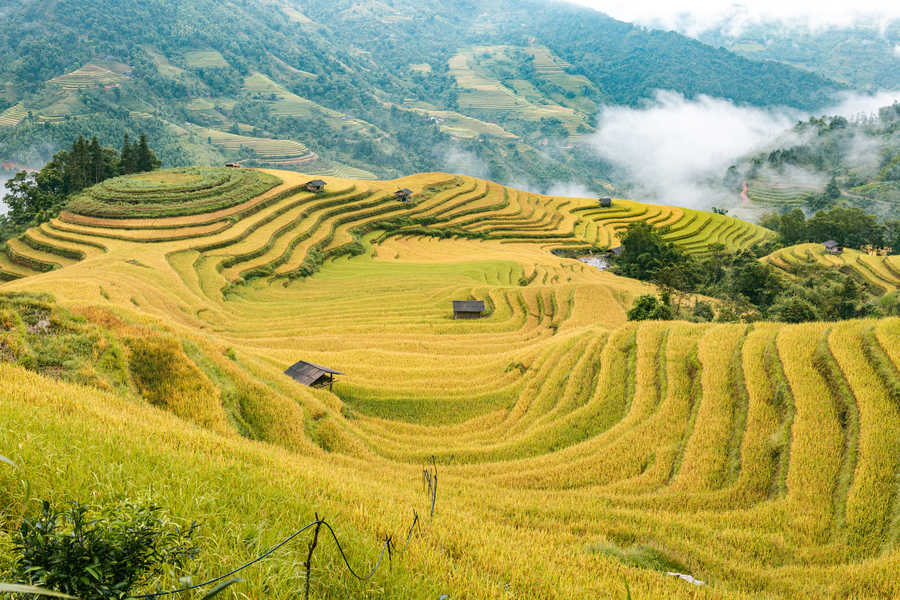
This is where your journey takes a decisive turn. Sapa remains the undisputed star — easy to reach, but honestly saturated with visitors in high season. Hoang Su Phi, by contrast, takes more effort to get to. It is our personal favourite for seeing UNESCO-listed rice terraces without the crowds.
We often steer our travellers towards Hoang Su Phi for a genuinely off-the-beaten-path experience. The road from Hanoi is longer and more winding, but up there, the silence and the grandeur of the landscapes make it more than worthwhile.
Forget the car — everything here is experienced on foot, on immersive treks. You walk along the rice paddy embankments, literally through people’s fields. It is physically demanding, but the visual impact is extraordinary.
If you enjoy the buzz of a market, aim for the Bac Ha market on a Sunday morning. This region is so rich that we have dedicated entire northern Vietnam itineraries to exploring it alone.
Meeting ethnic minorities: a genuine human experience
The North is not just a backdrop — it is the homeland of Vietnam’s ethnic minorities. You will inevitably cross paths with Hmong women in their embroidered dress or Red Dao on the trails. Their traditional clothing is not folklore staged for tourists; it is their everyday life.
To understand their reality, you need to sleep on site. We always insist on including homestay nights in our circuits. Local hospitality here is disarming in its simplicity and warmth.
Let us be honest: the mattress is sometimes thin and the comfort basic. But sharing a meal over rice wine with your hosts leaves a mark that no hotel ever could.
Week 2: from karst landscapes to the heritage of the Centre
The second week marks a geographical and thematic transition. We leave the mountains for the famous limestone sugar loaves, then fly towards the historical and cultural heart of the country.
Days 7–8: Ninh Binh, the “inland Halong Bay”
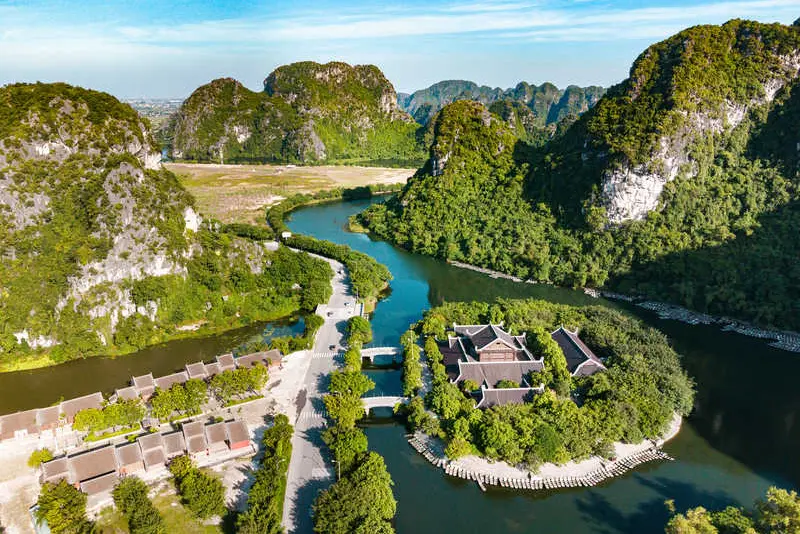
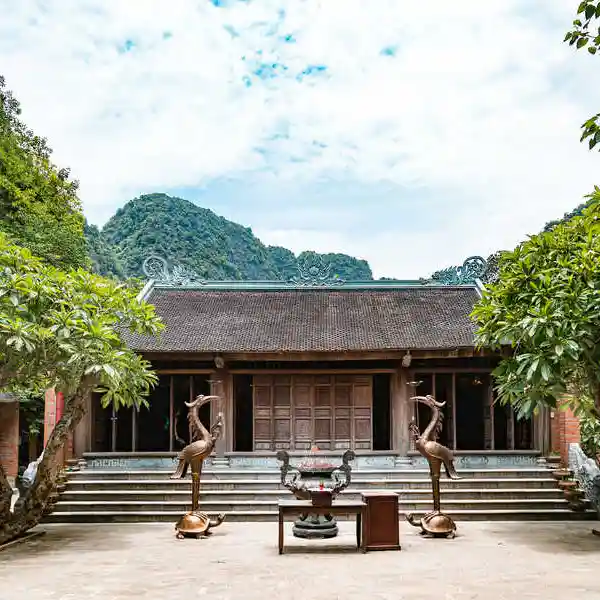
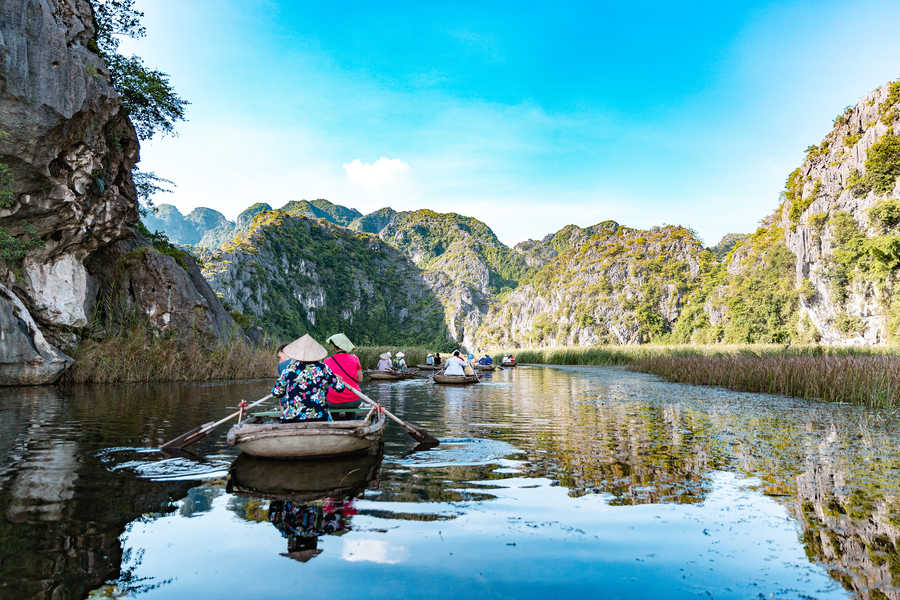
Ninh Binh is often the unexpected highlight of our travellers’ trips. Picture spectacular karst peaks rising abruptly from the middle of flooded rice fields. It is an iconic Vietnamese vision — raw and mineral — that contrasts completely with the bustle of the cities.
We strongly recommend the rowing boat excursion, whether at Tam Coc or Trang An. Gliding on the water in silence, surrounded by this natural scenery, is a genuinely magical moment.
For those with more energy, we suggest the climb up the 500 steps of Hang Mua Peak for a breathtaking panoramic view over the entire region.
Days 9–10: cruise in Lan Ha Bay, the alternative to Halong
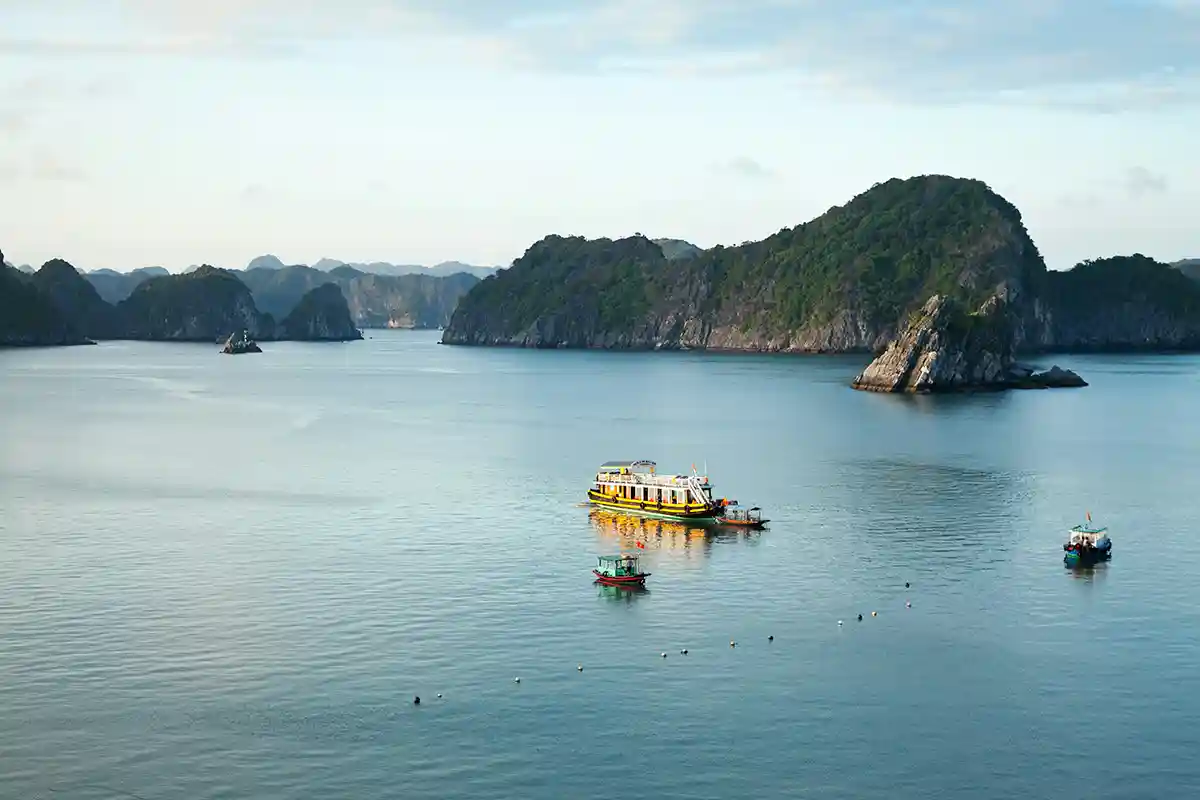
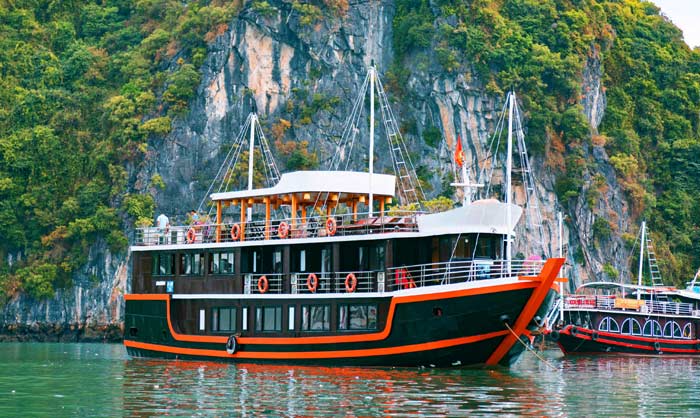
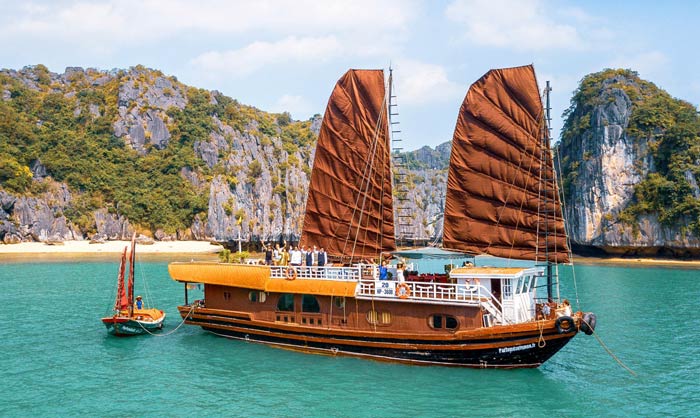
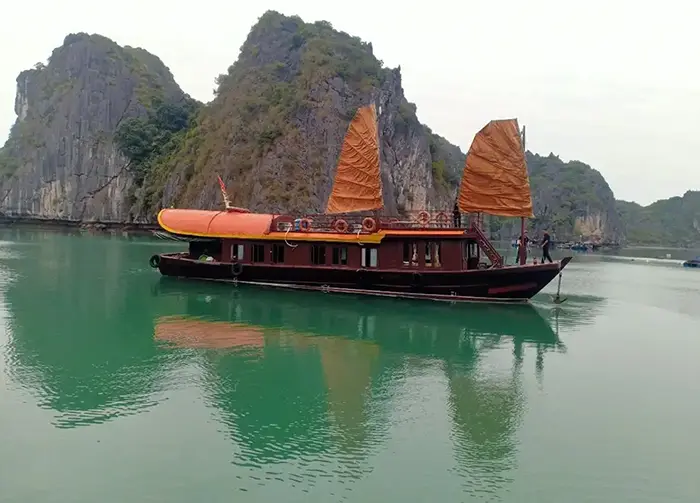
This is where the success of your 3-week Vietnam itinerary is decided: we always favour Lan Ha Bay. It sits alongside the famous Halong Bay but remains far better preserved from mass tourism and overcrowding.
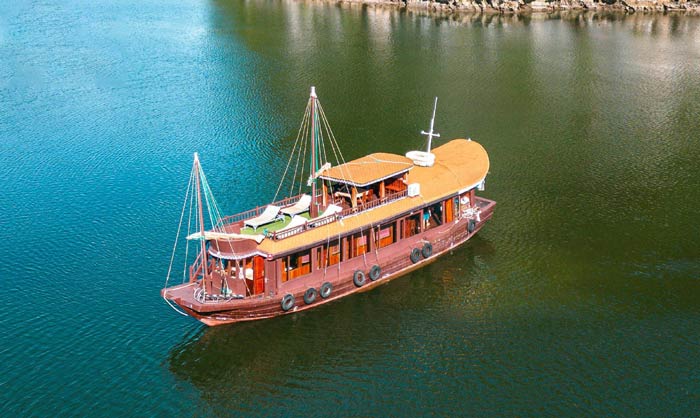
The experience we design is a 2-day, 1-night cruise on a human-scale junk. In our view, it is the best way to absorb the serenity of the place once the day-trip boats have gone home.
Do not worry about boredom — the programme keeps the experience active and varied:
- Kayaking to explore secret lagoons inaccessible to larger boats
- Visiting a floating fishing village to understand life on the water
- Swimming from the boat or from a secluded little beach
- Waking up in the middle of these karst formations, unique in the world
Discover our traditional junk cruises on Lan Ha Bay to see the available boats and options.
Day 11: transfer to the Centre, heading to Hue
This day is dedicated to logistics for reaching central Vietnam efficiently. To make the best use of your time, the most sensible option is a short domestic flight rather than the train or bus.
The flight usually departs from Hai Phong airport, located close to Lan Ha Bay, or from Hanoi, with Hue as the destination. It saves you a full day of travel and is well worth it.
Week 3: the gentle charm of the Centre and the energy of the South
The final stretch of this journey takes you into the heart of imperial history and the timeless appeal of the lantern city, before ending with the vitality of the Mekong Delta and Ho Chi Minh City.
Days 12–14: Hue, the imperial soul of Vietnam
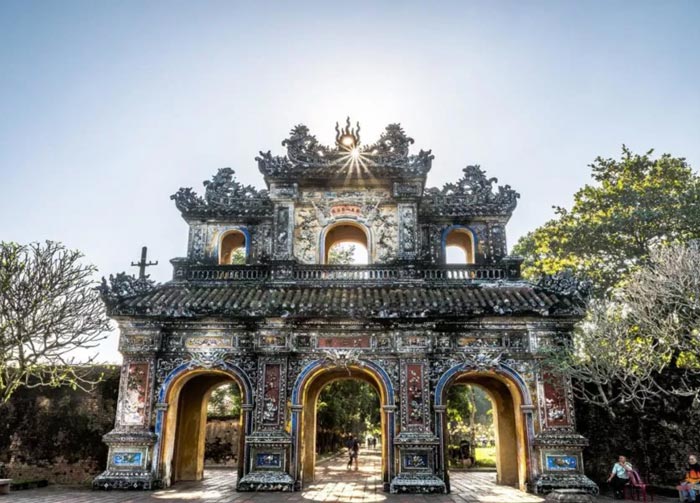
Hue embodies the living memory of the Nguyen dynasty. As the former imperial capital, it imposes a much slower and more poetic rhythm than Hanoi. It is a major and deeply calming cultural stage in any 3-week Vietnam itinerary.
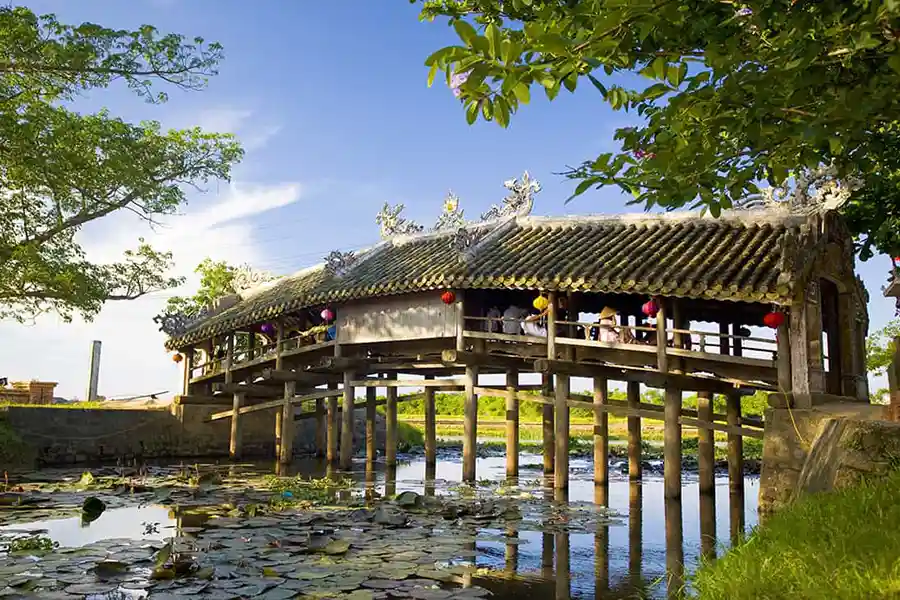
The visit to the vast Imperial Citadel is the centrepiece of this stage. The royal tombs — including that of Tu Duc, magnificently set amid nature — are absolutely not to be missed.
A dragon boat ride along the mythical Perfume River connects these historic sites in a gentle and pleasant way, offering a very different perspective of the city from the water.
Days 15–17: Hoi An, the postcard and what lies behind it
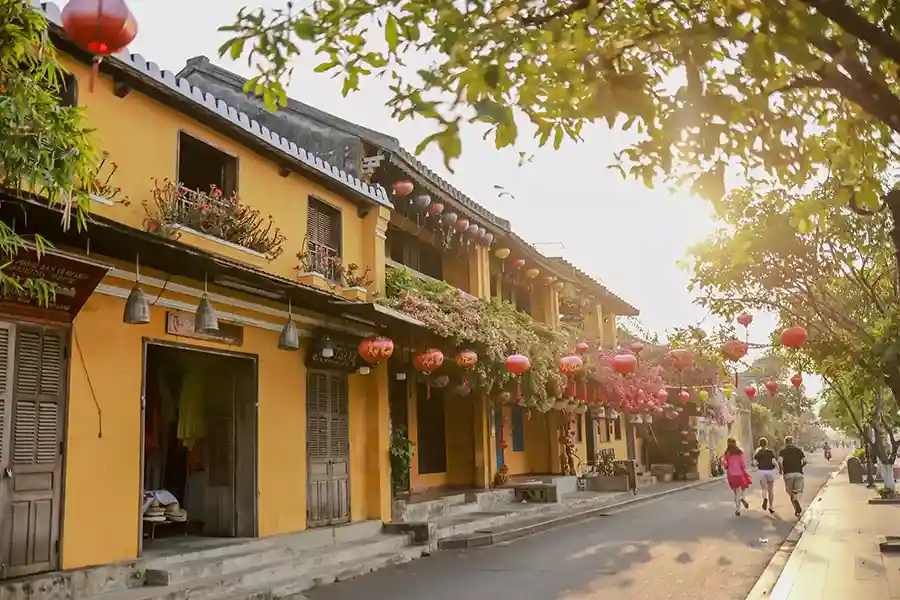
Hoi An has an extraordinary charm. The UNESCO-listed old town is famous for its thousands of coloured lanterns and its ancient wooden merchant houses that have survived the centuries.
Let us be honest: the town is very touristy. For more peace and quiet, we strongly advise visiting early in the morning or in the evening, when the atmosphere becomes magical again.
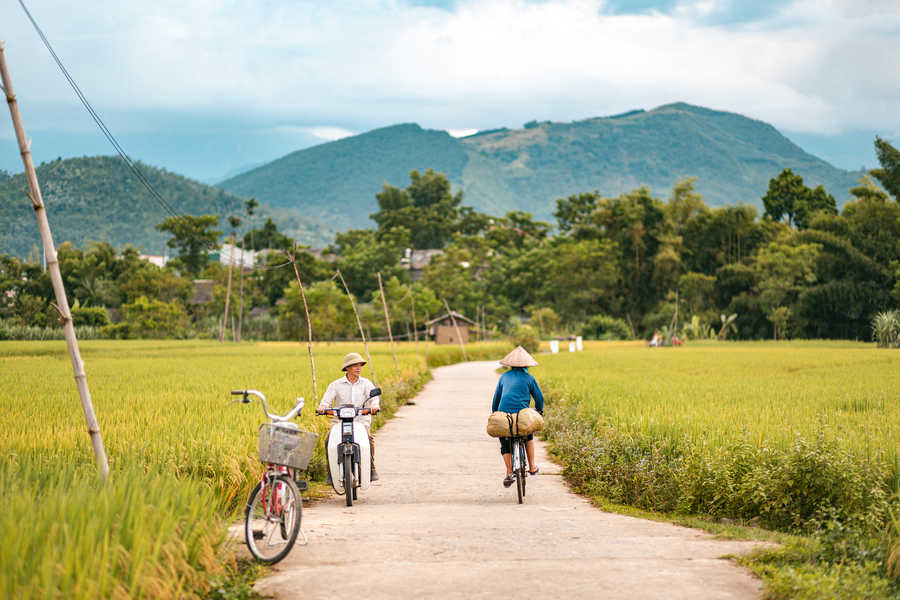
Knowing when to escape the crowds is essential. A bicycle ride through the surrounding countryside towards the vegetable-growing village of Tra Que is an excellent option for experiencing local daily life.
Days 18–20: immersion in the Mekong Delta
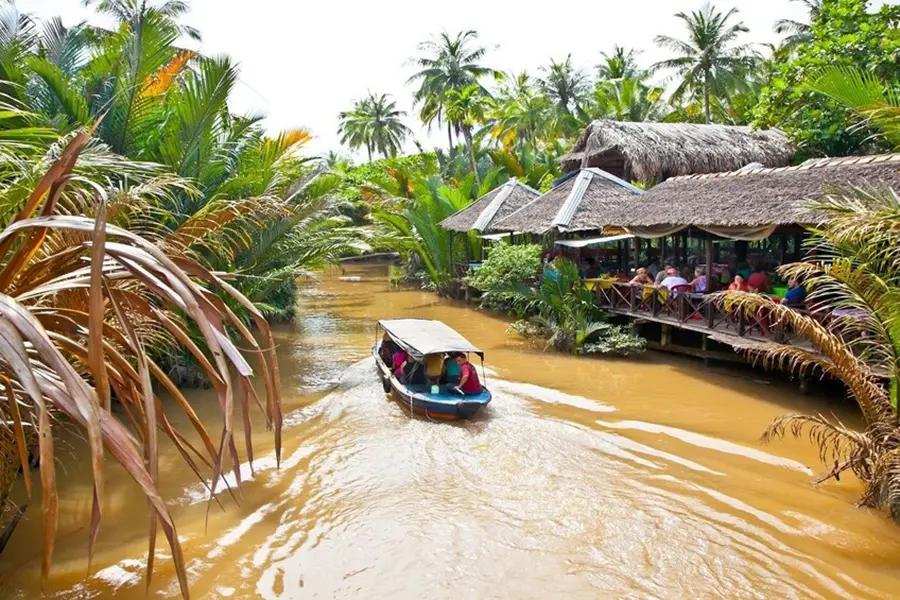
The Mekong Delta — Vietnam’s true “rice basket” — is a world unto itself. It is an endless labyrinth of canals and lush orchards where life organises itself around the water.
We recommend visiting areas such as Ben Tre with its coconut groves. Push on to Can Tho to witness the lively spectacle of its famous floating market at sunrise.
A night with a local family in the delta is a powerful experience. It allows you to understand life at the rhythm of the river, far from the cities — and it is one of the moments our travellers most often cite when they return. Browse our tailor-made southern Vietnam tours to see how we build this stage.
Day 21: Ho Chi Minh City, the final chapter
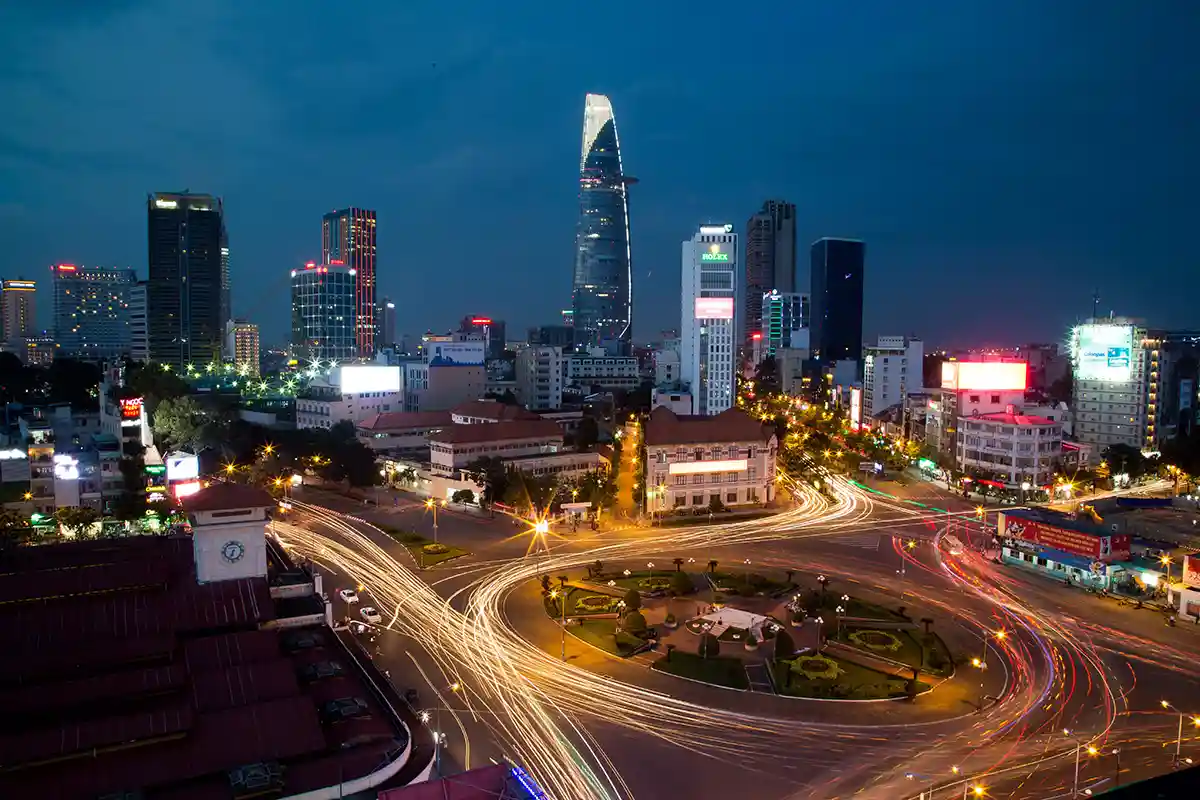
Ho Chi Minh City (Saigon) stands as Vietnam’s economic capital — frenetic and resolutely modern. The energy is palpable from the very first moments. The contrast with the more traditional atmosphere of Hanoi is striking.
We suggest a short visit before your departure flight. The Central Post Office designed by Eiffel and the Notre-Dame Cathedral offer a glimpse of the colonial heritage amid the towers of a city in full stride.
Budget for 3 weeks in Vietnam: what to expect
Now that the route is mapped out, let us talk money. Knowing how to estimate your budget is a key step to travelling with peace of mind and avoiding unpleasant surprises once you arrive.
The main expense categories
To build your budget, it helps to separate several categories. The international flight is often the largest single investment upfront. On the ground, the main costs are: accommodation, food, activities and internal transport.
We see it every day here: the cost of living in Vietnam remains very affordable for European travellers. It is mainly on accommodation and activities that the total budget for a 3-week Vietnam itinerary can double — or more.
Average daily budget by travel style
Here are realistic ranges based on current prices, per person per day, for in-country expenses only (excluding international flights):
- Backpacker — €25 to €35 per day (hostels, street food)
- Comfort traveller — €50 to €80 per day (3-star hotels, restaurants, some guided activities)
- Luxury traveller — from €150 per day (4–5-star hotels, fine dining, private guides)
Keep in mind these are averages smoothed over the stay. A beautiful Lan Ha Bay cruise or a domestic flight will naturally push the budget higher on a specific day.
Concrete price examples in 2026
To give you a clearer sense of real purchasing power, here are some everyday prices we observe on the ground:
- Bowl of phở from a street stall: around 50,000 VND (under €2)
- Local draught beer (bia hơi): around 10,000 VND (under €0.40)
- Vietnamese iced coffee (cà phê sữa đá): 25,000 VND (around €1)
- 15-minute scooter-taxi ride (Grab): 30,000–40,000 VND (around €1.50)
- Night in a hostel: 200,000 VND (around €7–8)
- Night in a comfortable 3-star hotel: 800,000–1,200,000 VND (€30–45)
These prices show just how accessible the country remains. You can genuinely treat yourself without blowing your overall budget.
Getting around Vietnam: our field advice
A country as elongated as Vietnam raises the question of transport. For a successful 3-week itinerary, logistics is a frequent source of friction. Here are our expert recommendations for moving between stages efficiently and without unnecessary fatigue.
Domestic flights: the essential time-saver
On a 3-week trip, domestic flights are almost unavoidable. They connect major regions in a few hours instead of full days of travel. They are the only truly efficient way to cross the country and preserve your time for what matters.
Focus on the key routes: Hanoi or Hai Phong to Hue or Da Nang, then onwards to Ho Chi Minh City or Can Tho. Airlines like Vietnam Airlines and Vietjet Air operate these routes frequently and reliably. Book early for the best prices.
Train and sleeper bus: adventure on a budget
The Reunification Express runs the length of the country from north to south. It is an experience in itself — slower, but rewarding for those who enjoy watching landscapes unfold. The pace is very different.
The sleeper bus is a popular and economical option, practical for overnight journeys such as Hanoi to the northern mountains. Comfort varies, but the experience is authentically local. You also save a night’s hotel cost.
We recommend these options for shorter legs or for travellers on a tighter budget. They are a genuine alternative.
In town: Grab, Sam SM and common sense
We strongly recommend using ride-hailing apps like Grab or Sam SM — the Southeast Asian equivalent of Uber. They are the simplest way to get around in any major city.
The advantages are clear: the price is agreed upfront in the app. No negotiation, no metered fare manipulation. It is straightforward and genuinely safe.
You will need a local SIM card or eSIM to use them — a small investment that pays for itself immediately.
The realities of travelling in Vietnam: what to anticipate
For a successful 3-week Vietnam itinerary, preparation is everything. As local experts based here for twenty years, part of our role is to speak frankly about a few challenges worth knowing about in advance.
Managing noise and the bustle of big cities
Let us be clear: the noise level in Hanoi and Ho Chi Minh City always surprises first-time visitors. The chorus of horns is constant from morning to evening. While it is part of the country’s electric atmosphere, this sonic energy can exhaust bodies that are not used to it.
Our advice for recovering energy between visits: always choose accommodation set back in a side street or with good soundproofing. Do not hesitate to take breaks in air-conditioned cafés or parks. And frankly, slipping a pair of earplugs into your bag often saves the night.
Mass tourism: how to avoid it
The downside of a magnificent country is the crowds. Some sites suffer from mass tourism — particularly the classic Halong Bay or the central streets of Hoi An at peak hours.
This is precisely why we rethink routes for our travellers. We direct our clients towards Lan Ha Bay, just as spectacular but far quieter. Similarly, we favour the trails of Hoang Su Phi over those of Sapa, now saturated with visitors.
For the unmissable sites that genuinely must be seen, the rule is simple: get up early. Visiting a site at dawn changes the experience entirely.
Common small scams and how to avoid them
There is no need to become paranoid, but staying alert in day-to-day life is necessary. A few minor scams occasionally target tourists, usually out of economic opportunism rather than malice. They are not systematic, but they happen if you are not paying attention.
The classics: taxis that “forget” to run the meter, or prices quoted to tourists at markets. The golden rule is simple: always agree on the final amount before getting into a vehicle or ordering anything.
For city transport, using Grab virtually eliminates the risk of overcharging entirely.
Vietnamese hospitality: a reality beyond the clichés
Let us end on what will genuinely mark your stay in the best possible way. Beyond these minor logistical annoyances, Vietnamese hospitality is a profound reality. The smiles, the curiosity and the kindness of the people are everywhere, once the ice is broken.
This warmth becomes even more apparent the moment we take you away from the heavily touristed zones. Spontaneous encounters in the Mekong countryside or the mountains of the North are, according to our travellers, consistently their most treasured memories.
Exploring Vietnam over three weeks allows for a complete immersion, from the northern mountains to the Mekong Delta. Remember that this itinerary is a starting point for reflection. Our local team is here to adapt it to your pace and build, together, the tailor-made journey that truly fits you. Contact us for a personalised quote.
FAQ
What budget should I plan for a 3-week Vietnam circuit?
For a comfortable 21-day trip including charming 3-star hotels, internal transport and a range of activities, we estimate an average budget of between €1,200 and €1,800 per person (excluding international flights). This amount varies depending on whether you opt for street food or more upscale restaurants, and whether you choose private guides — an option we recommend for a deeper understanding of local culture.
Is 3 weeks too long to visit Vietnam?
On the contrary, it is the ideal duration for a balanced first discovery of the country. Three weeks allow us to build a complete north-to-south itinerary without rushing, incorporating immersive experiences (such as a homestay in Hoang Su Phi) and moments of rest — something simply impossible on a shorter trip.
Are there periods to avoid when travelling to Vietnam?
While Vietnam can be visited year-round, we advise against September to November for the central region (Hue, Hoi An) due to typhoon and flooding risks. Equally, if trekking in the North is a priority, July and August are often too rainy and trails can become dangerously slippery.
What is the cheapest month to travel to Vietnam?
May and September generally correspond to the shoulder season. During these transition periods, international flights are often more affordable and we can access preferential rates at certain hotels, while tourist sites are far less crowded than in high season.
How much cash should I bring for 21 days on the ground?
If your circuit is already booked (hotels and transport), plan for around €20 to €30 per person per day for your own meals, drinks and small tips. We recommend withdrawing Dong from ATMs in cities as you go, but always keep a cash reserve for rural areas and markets where bank cards are not accepted.
What are the main challenges of travelling in Vietnam?
The primary shock is usually the traffic and the relentless horn-honking in cities like Hanoi and Ho Chi Minh City, which can be tiring for the first few days. The language barrier can also be a challenge in remote countryside areas — which is precisely why we favour accompaniment by our English-speaking guides to facilitate these invaluable exchanges.
What is the ideal period for a complete north-to-south itinerary?
For crossing the entire country over 3 weeks, the period from November to April offers the best overall climatic compromise. It is the dry season across most regions, allowing you to enjoy both Lan Ha Bay and the Mekong Delta under generally clear skies — though the North can feel quite cool in January.