

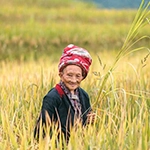

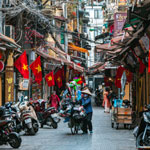
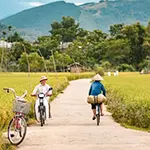

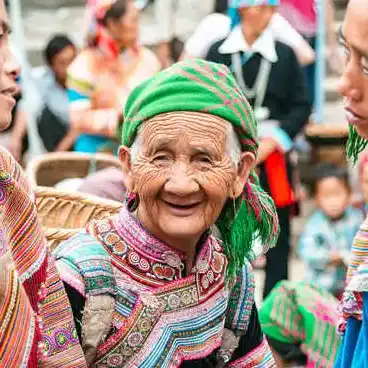
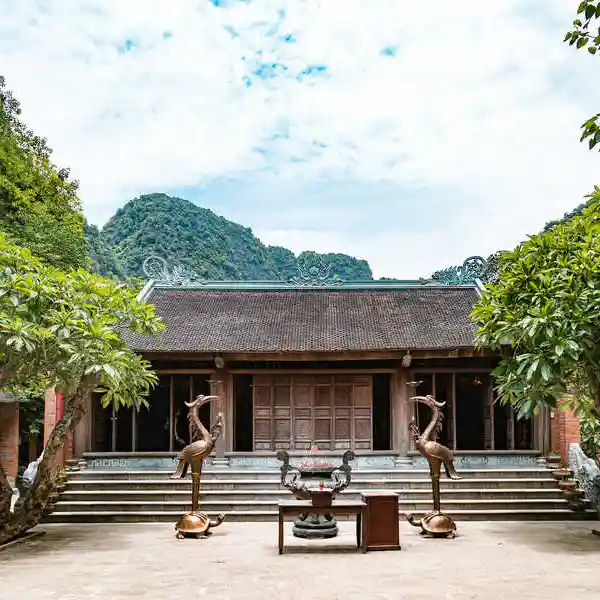
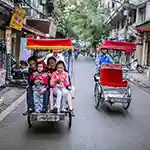

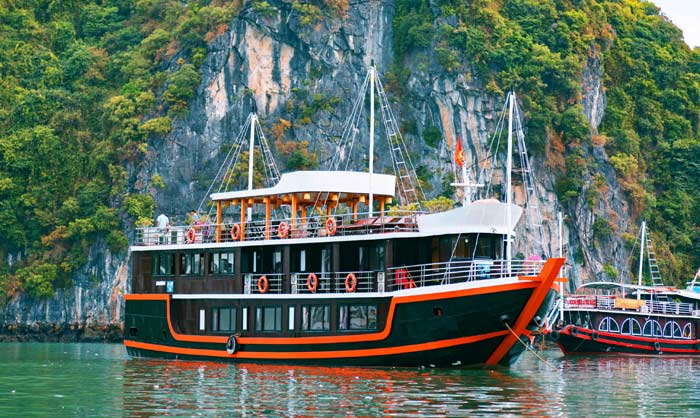
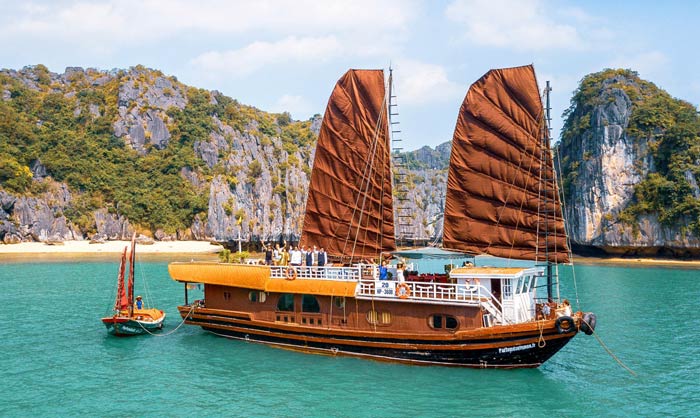


Travelling to Vietnam with family is entirely possible — and it is often an experience that leaves as lasting a mark on children as it does on parents. Terraced rice fields, the lanterns of Hội An, water buffaloes in the paddies, the natural warmth of the Vietnamese towards the youngest travellers — all of this creates memories that endure.
But a successful family trip does not happen by chance. It is built around an adapted pace, carefully chosen stages, and logistics designed to ensure that no one comes home exhausted.
This is what we have been offering for many years at our travel agency in Hanoi — and this is what we share with you here.
Why is Vietnam an ideal destination for a family holiday?
Vietnam is one of the most family-friendly destinations in Southeast Asia: safe, welcoming, varied and accessible, it offers a rare balance between adventure and comfort.
The safety is real and noticeable from the very first days. Crime rates are low, and Vietnamese people are spontaneously warm towards children — they touch them, make them laugh, sometimes offer them sweets. This natural contact with the local population is often what families remember most.
The cuisine is generally mild, not very spicy in its everyday form, and children adapt to it easily: rice, noodles, broths, fresh fruit. Family accommodation exists at every comfort level, and distances, when well managed, allow for varied landscapes without exhausting everyone.
From what age can children travel to Vietnam?
Vietnam is accessible from a very young age — including with a baby — provided the pace, stages and modes of transport are adapted to each child’s age and needs.
With a baby or toddler, semi-sedentary stays are preferable: a base in Hội An, a few days in Ninh Bình, a beach interlude in Phú Quốc. Too many transfers, too many different beds — that is a recipe for exhaustion for the whole family.
With children aged 5 to 10, Vietnam becomes a wonderful adventure playground: cycling through rice fields, cooking classes, boat trips among karst formations, exploring local markets. Teenagers, for their part, are often surprised by the energy of the cities, the street food, and encounters with young locals. For activity ideas, you can refer to our article: Things to do in Vietnam with the family.
Whatever the age, our core principle remains the same: never more than two consecutive nights in transit, always a private air-conditioned vehicle for transfers, and days that leave room for free time. A tired child is a trip that goes off the rails.
What is the best time to travel to Vietnam with a family?
There is no single ideal season for the whole of Vietnam, but the period from February to April offers the best conditions across the country for a family trip.
Vietnam stretches over 1,650 km from north to south, which means seasons vary considerably by region. For families, the challenge is twofold: avoiding extreme heat with young children, and not arriving in the middle of the monsoon at a key destination.
| Period | North Vietnam | Centre | South Vietnam |
|---|---|---|---|
| Feb – Apr | Ideal, mild | Ideal, dry | Warm but pleasant |
| May – Aug | Hot, humid | Very hot | Southern monsoon |
| Sep – Nov | Possible rain | Typhoon risk | Ideal |
| Dec – Jan | Cool, misty | Pleasant | Ideal |
For families travelling during the February or spring school holidays, the combination of North + Centre + South works very well. In July and August, it is better to head towards the North or North-Centre, where the heat remains manageable, avoiding the South during this period which often experiences heavy storms. A little later, in October, November and December, the centre of the country should be avoided as it in turn faces heavy rain and frequent typhoons.
You can read all our advice in our dedicated article: When to go to Vietnam.
Which stages should you choose for a family trip to Vietnam?
A successful Vietnam family itinerary is built on alternating between discovery and rest, between movement and settling in. The golden rule: do not try to see everything.
The North: prioritise nature over big cities
Hanoi deserves a stop, but a short one — two nights at most. It is a dense, noisy city where walking around with children is not always straightforward. Visit the Old Quarter, taste phở and bánh mì, and then head out into nature.
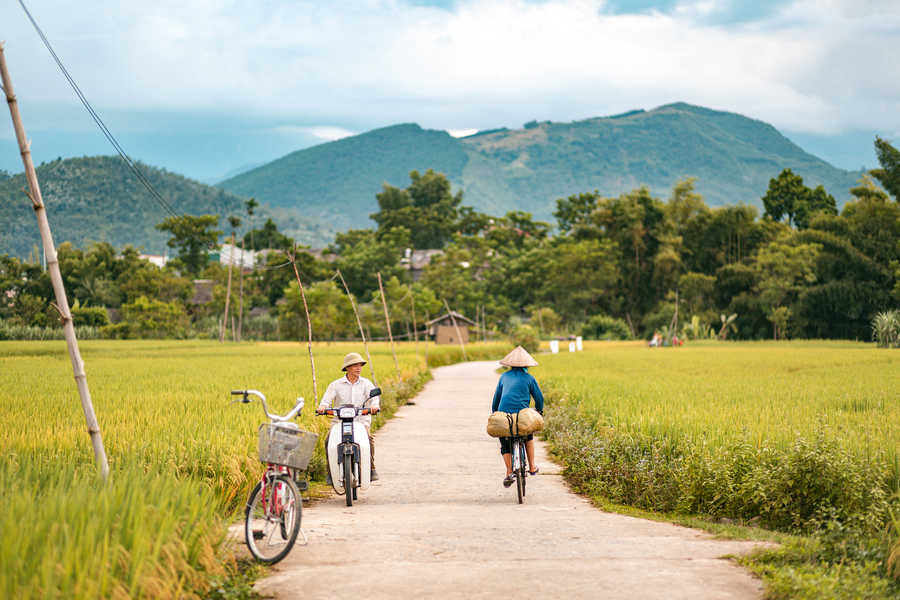
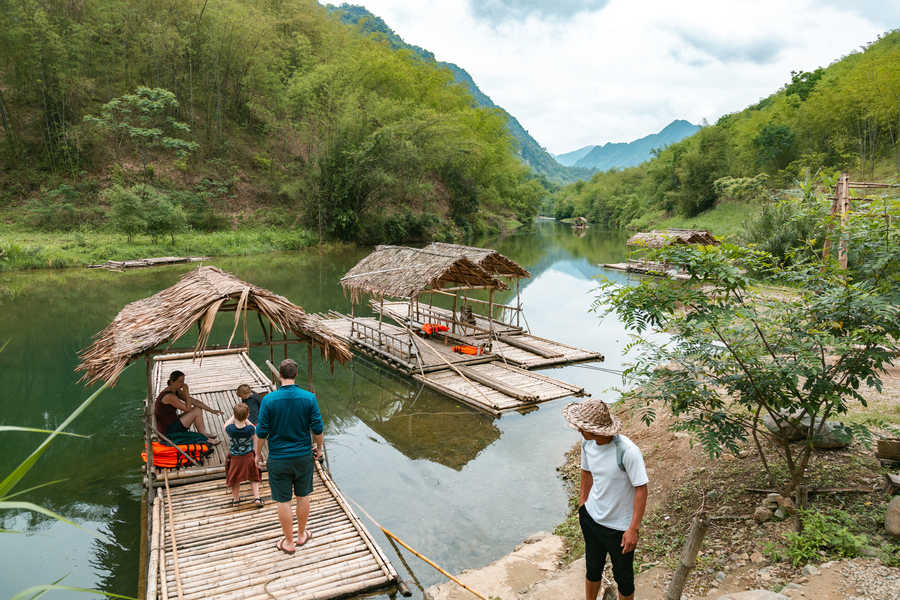
For rice terraces and mountain scenery, Mai Châu and Pù Luồng are our favourite family destinations, especially from February to May. Closer than Sapa or Hà Giang, and more manageable with young children, these valleys offer magnificent rice paddies, stilt-house villages and cycling routes perfectly suited to children. There is no need to venture into high mountain terrain to feel truly transported.
| Stage | Recommended family activities | Suggested duration |
|---|---|---|
| Hanoi | Old Quarter tour by cyclo, Đồng Xuân market, water puppet show, phở and bánh cuốn tasting | 2 nights |
| Mai Châu / Pù Luồng | Cycling through rice fields, Thai village visits, night in a stilt house, meeting local craftspeople | 2 nights |
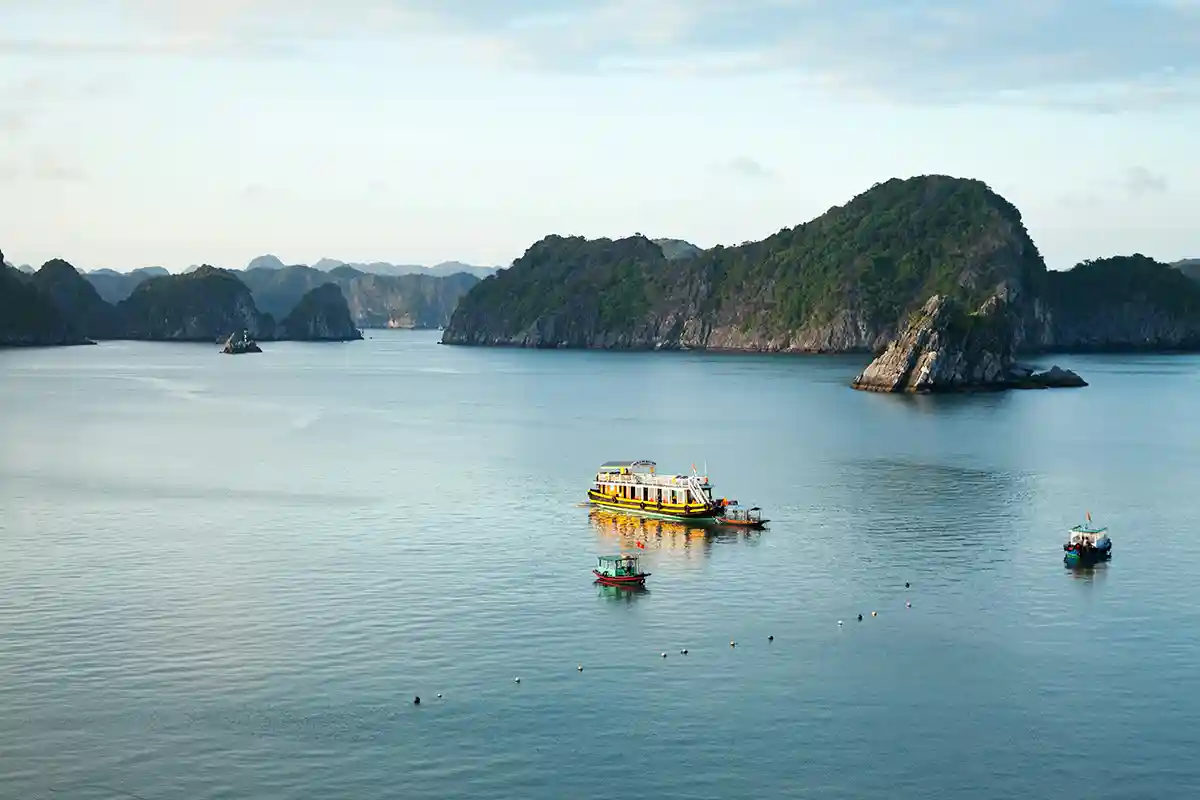
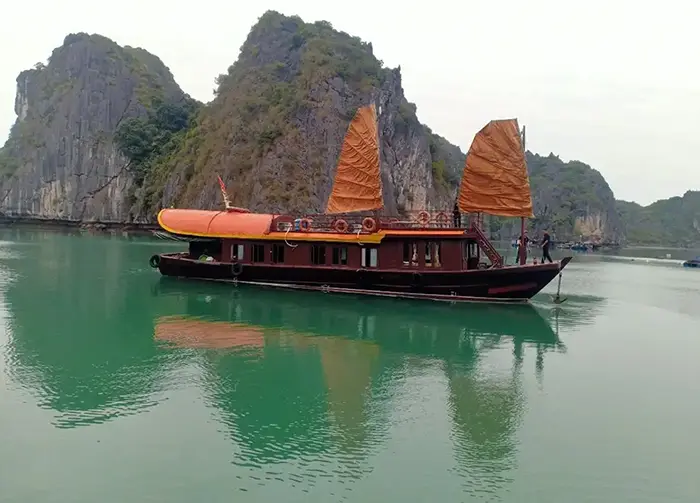
| Hạ Long Bay | Kayaking through caves and coves, swimming, visiting Thiên Cung Cave, sunrise fishing | 2 days / 1 night |
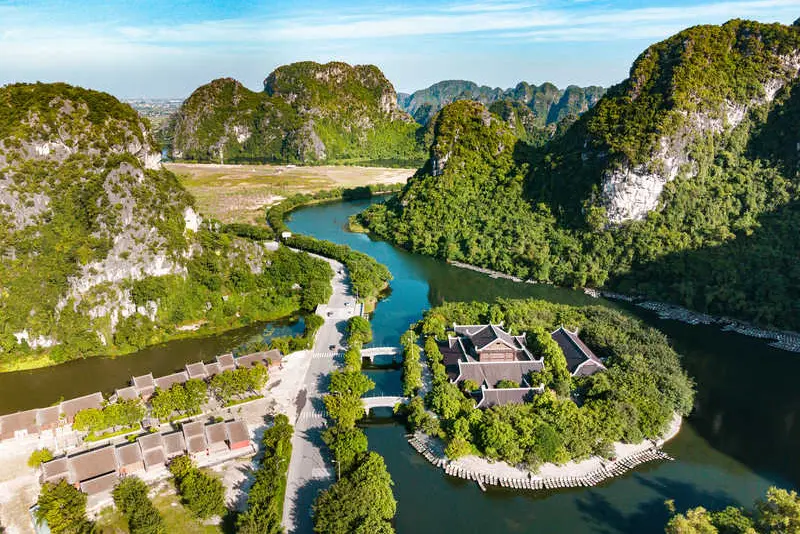
| Ninh Bình | Boat trip at Tràng An, climbing the 500 steps at Hang Mua, visiting the ancient capital of Hoa Lư | 1 to 2 nights |
The Centre: Hội An as the ideal base
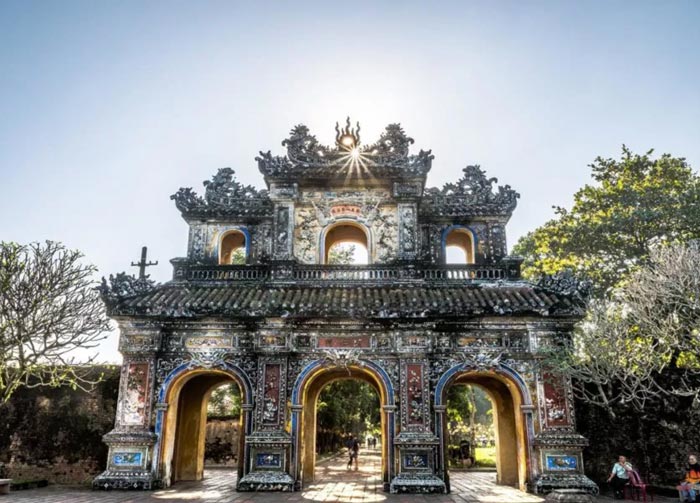
Hội An is probably the most pleasant city in Vietnam for families. Its car-free lanes, colourful lanterns, beaches just ten minutes away by bicycle, gentle atmosphere and welcoming restaurants make it a perfect base for three to four nights. Huế is worth a half-day visit for its imperial tombs — visually spectacular, but one night is sufficient.
| Stage | Recommended family activities | Suggested duration |
|---|---|---|
| Huế | Visit to the Imperial Citadel, dragon boat trip on the Perfume River, cycling to the royal tombs | 1 night |
| Hội An | Vietnamese cooking class, lantern-making workshop, boat trip on the Thu Bồn River, cycling to An Bàng beach, central market visit | 3 to 4 nights |
| Mỹ Sơn | Morning visit to the Cham temples, return to Hội An in the afternoon | Day trip from Hội An |
The South: the Mekong Delta and Phú Quốc
Ho Chi Minh City, like Hanoi, is a place to pass through rather than settle in. One or two nights to soak up the city’s energy, then on to the delta.
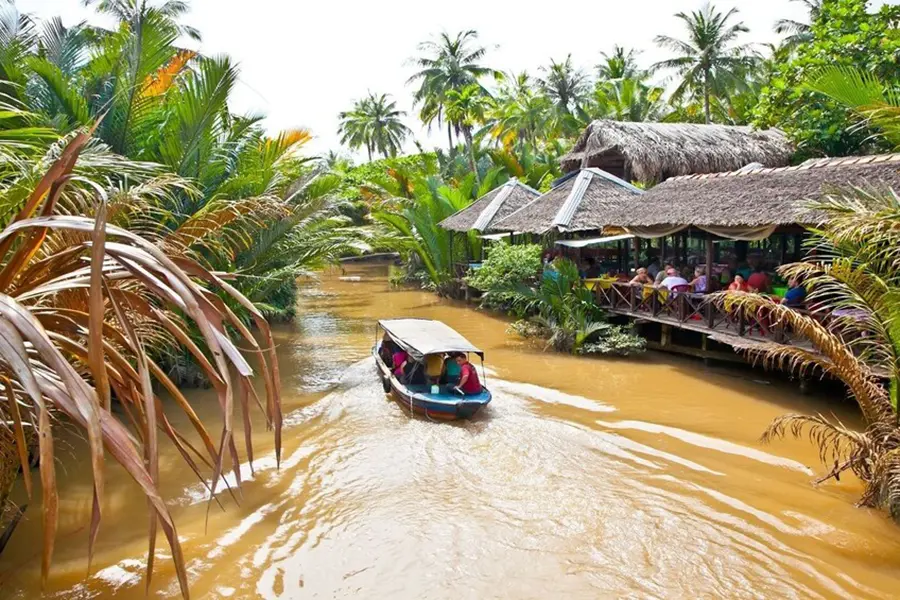
The Mekong Delta is a revelation for families: ecolodges along the canals, sampan rides through floating gardens, traditional coconut candy workshops, orchards where children pick fruit straight from the trees — everything here is at child height and moves at a naturally slow, gentle pace. It is often the part of the trip children talk about most when they get home.
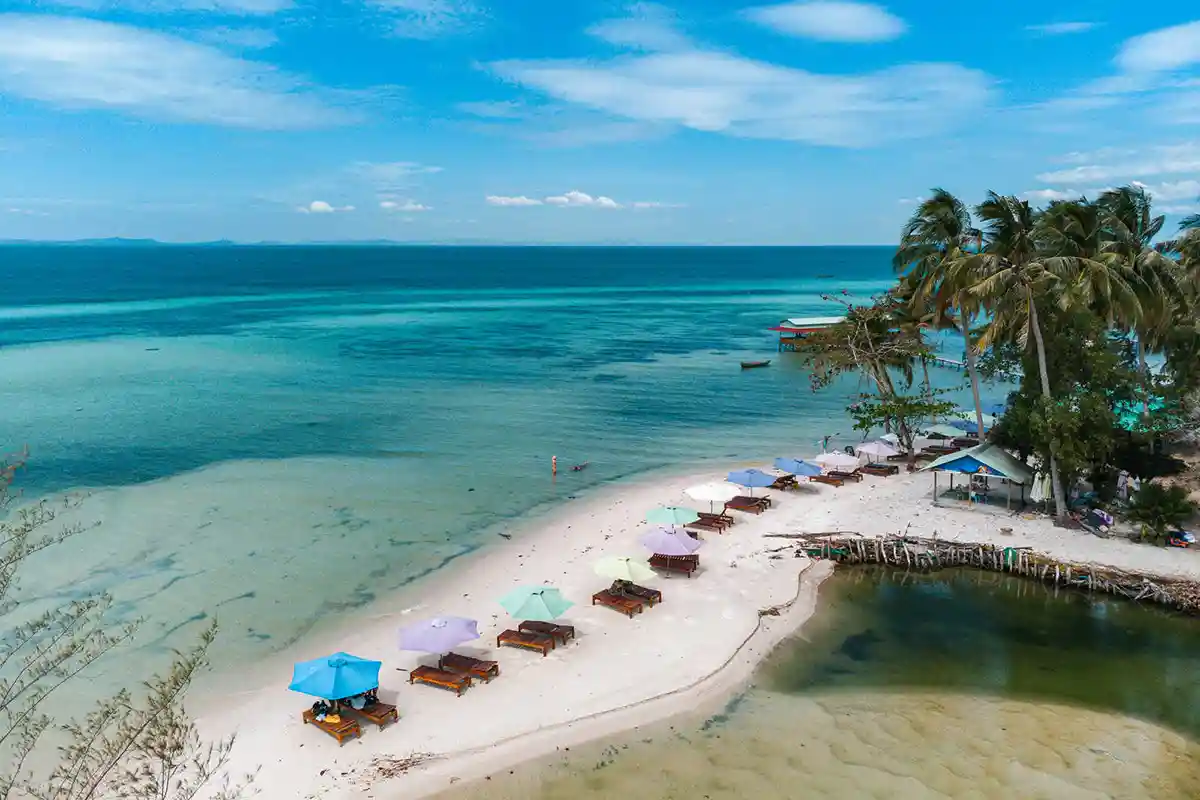
To finish on a high note, Phú Quốc offers a few days of turquoise sea, unspoilt beaches and well-deserved relaxation — a perfect landing before the return flight.
| Stage | Recommended family activities | Suggested duration |
|---|---|---|
| Ho Chi Minh City | Bến Thành market, Fine Arts Museum, cyclo ride through the colonial district, bánh mì and chè tasting | 1 to 2 nights |
| Mekong Delta | Sampan ride along the canals, coconut candy workshop, fruit picking in orchards, night in an ecolodge, dawn birdwatching | 2 to 3 nights |
| Phú Quốc | Bãi Sao and Long Beach, coral reef snorkelling, pearl farm visit, national park walk | 2 to 3 nights |
How should you organise transport with children in Vietnam?
A private car with driver is the most suitable mode of transport for families in Vietnam: comfortable, flexible, air-conditioned, it allows schedules to be adapted and stops to be made whenever children need a break.
Long-distance buses or trains can seem appealing for their immersive character, but with young children, fatigue builds up quickly and unexpected situations are harder to handle. We systematically recommend a private vehicle for all land transfers in our family circuits, with legs limited to two to three hours of driving per day.
For long distances — Hanoi to Hội An, Hội An to Ho Chi Minh City — domestic flights are the logical solution. VietJet, Bamboo Airways and Vietnam Airlines cover the domestic network very well, and flights rarely last more than an hour and a half. This is often an additional source of excitement for children.
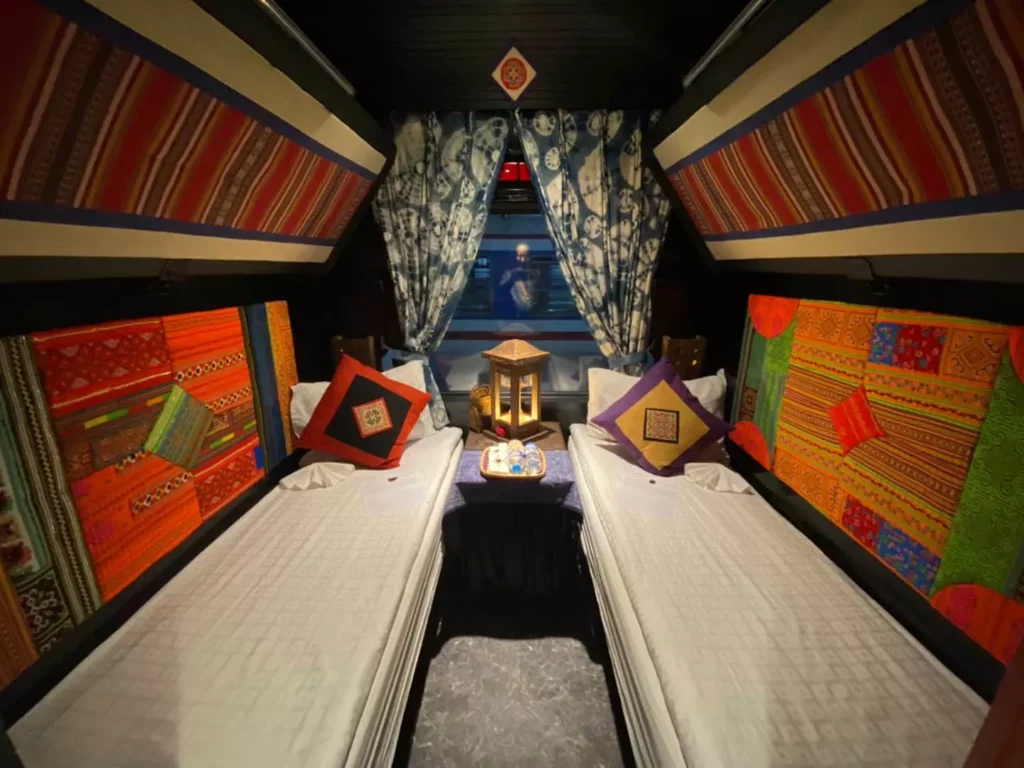
One last mode of transport that children tend to love: the train. An overnight sleeper journey is perfectly doable — in a four-berth cabin — to reach Sapa or travel down to Huế, for example. Children generally enjoy the train experience, and it offers a chance to skip a flight while trying the famous Vietnamese railway — affectionately nicknamed the “TGV” (Train à Grande Vibration, or High-Vibration Train)! For all connections and practical advice, see our complete guide: Train travel in Vietnam: everything you need to know.
What budget should you plan for a family trip to Vietnam?
A two-week trip to Vietnam for two adults and two children represents a total budget of between €4,500 and €8,000 depending on the level of comfort chosen, including international flights.
| Item | Moderate budget | Comfort budget |
|---|---|---|
| International flights (x4) | €2,500 – €3,000 | €3,500 – €5,000 |
| Accommodation (14 nights) | €700 – €1,200 | €1,200 – €2,500 |
| Local transport | €400 – €600 | €600 – €900 |
| Meals | €300 – €500 | €500 – €900 |
| Activities & visits | €200 – €400 | €400 – €700 |
These ranges apply to an organised circuit with a local agency such as ours. Independent travel can reduce certain costs, but with children, the added comfort of tailored accompaniment is felt at every stage of the journey.
What health precautions should you take before a family trip to Vietnam?
A few vaccinations are recommended before travelling to Vietnam as a family, and precautions against mosquitoes remain essential, particularly in the South and the Mekong Delta.
Consult your doctor or an international vaccination centre at least six weeks before departure. Vaccinations commonly recommended for Vietnam include hepatitis A, typhoid and an update of the standard vaccination schedule. Rabies may be considered for long stays in rural areas. Anti-malarial treatment depends on the regions visited — it is rarely necessary for standard itineraries, but should be discussed with your doctor.
For mosquitoes: use a repellent suitable for children (low-concentration DEET or icaridin), wear covering clothing in the evenings, and use a mosquito net in delta ecolodges. Tap water is not drinkable — bottled water is available everywhere and inexpensive. Street food is generally safe, but with very young children, favour busy establishments and freshly cooked, hot food.
Travel insurance with medical repatriation cover is essential for the whole family. International hospitals in Hanoi and Ho Chi Minh City are of good quality for routine medical care.
At Parfum d’Automne, we support families from the planning stage right through to the return home. If you would like to build a tailor-made itinerary suited to your children’s ages and your travel wishes, discover our family Vietnam circuits — designed to travel at a human pace, with the right stops at the right time.