






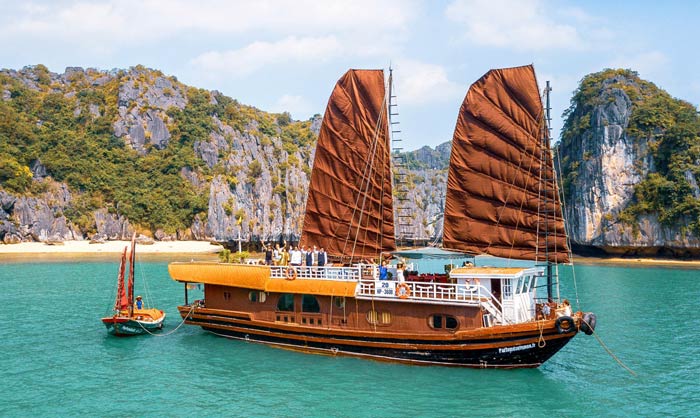


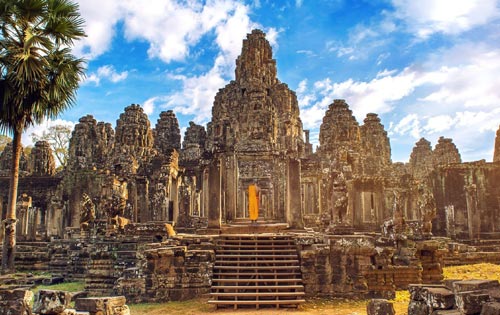
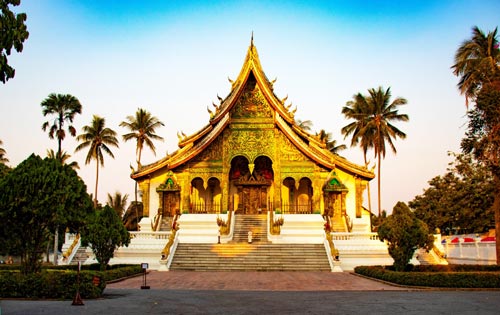


January is one of the most contrasted months to travel in Vietnam. In the north, cold and mist settle over Hanoi and Halong Bay. In the center, the northeast monsoon rains continue over Hoi An and Hue. In the south, however, it’s the height of the dry season: sunshine, warmth and accessible beaches.
This guide will help you understand these differences and build an itinerary that matches January’s weather — so you don’t arrive in Hoi An in the rain or miss the Tết preparations in Hanoi.
Would you like help building your itinerary? Contact us for a tailor-made tour of Vietnam.
What’s the weather like in Vietnam in January?
In January, Vietnam experiences three distinct climates depending on the region: the north is cool and misty, the center remains rainy in early month, and the south enjoys dry, sunny weather ideal for beaches and islands.
| Region | Temperatures | Rain | Our take |
|---|---|---|---|
| Hanoi | 15–21°C | Light, frequent drizzle | Visit, but bundle up |
| Halong Bay | 14–20°C | Light, dense mist | Cruise possible, hazy scenery |
| Sapa / Ha Giang | 5–18°C | Light, intense cold | Cold at altitude, possible snow |
| Hue / Hoi An | 19–22°C | Moderate to heavy | Rough early month, improves after |
| Da Nang | 19–22°C | Moderate | Beaches not recommended |
| Ho Chi Minh City | 22–33°C | Very light | Ideal, full dry season |
| Mekong Delta | 22–32°C | Very light | Excellent |
| Phu Quoc | 23–29°C | Very light | Best time of year |
| Nha Trang | 18–26°C | Light | Very good |
Northern Vietnam in January
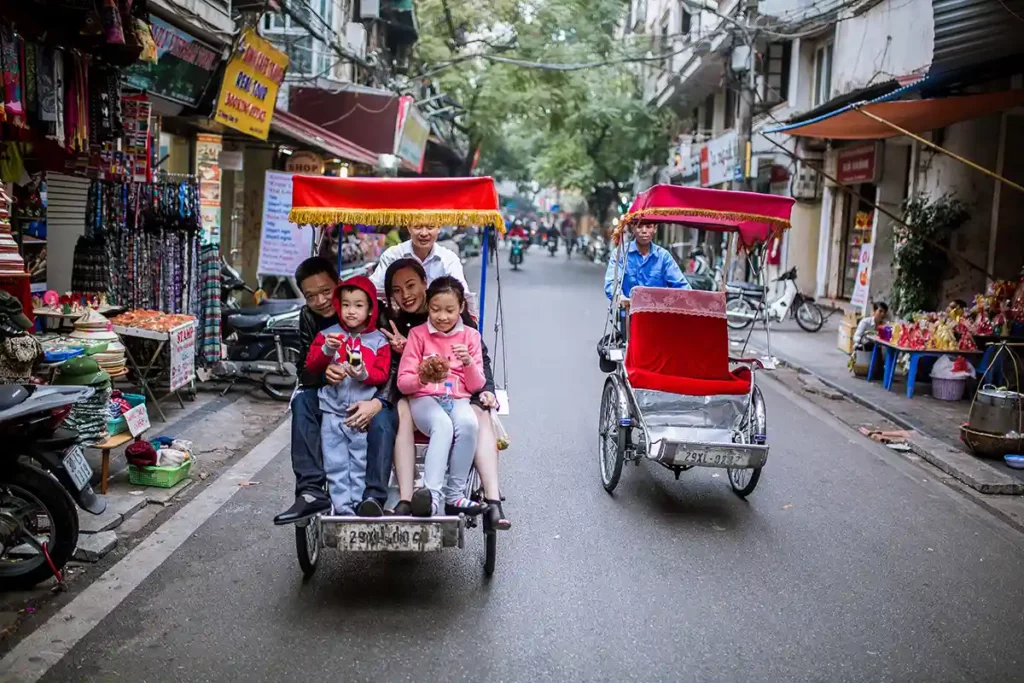
Hanoi in January is cool — between 15 and 21°C — with soft light and drizzle that can settle in for several days at a time. It’s not unpleasant for exploring the city on foot: fewer tourists, a wintery atmosphere that gives the Old Quarter a special charm. But pack a light raincoat and warm clothes.
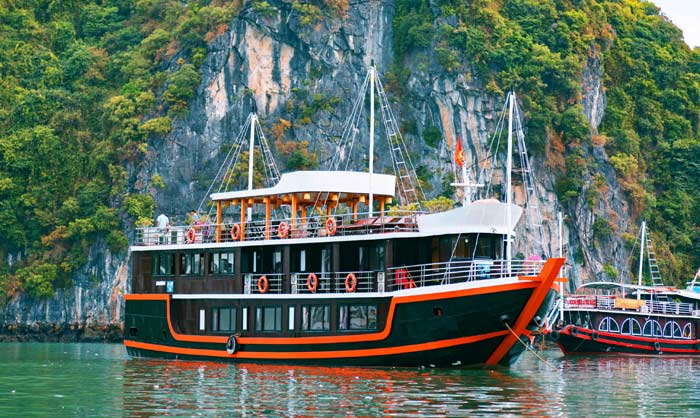
Halong Bay is of course still visitable, but mist can partly veil the karst scenery for part of the day. If photography or panoramic views are your priority, another month may serve you better. For the cruise experience itself — sailing, kayaking, caves — January remains perfectly fine.
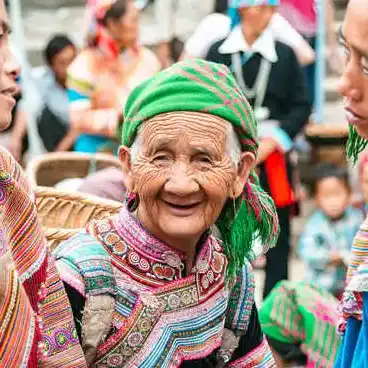
Sapa and Ha Giang are cold, sometimes freezing: temperatures regularly drop below 10°C at altitude, with a risk of snow on the peaks. The atmosphere is mysterious and the bare rice terraces have their own kind of beauty, but multi-day trekking with homestay nights can be tiring. On the plus side, meeting ethnic minorities in the villages remains possible, and often more authentic than during high season.
Central Vietnam in January
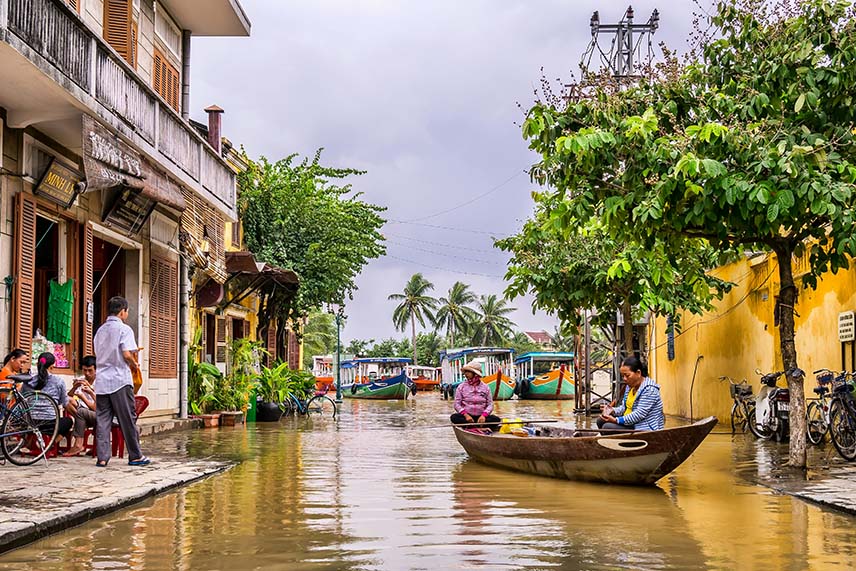
Hue and Hoi An are still under the influence of the northeast monsoon in early January. Rain can be heavy, especially around Hue. Conditions generally improve from mid-January onward, and the last two weeks of the month are often much more pleasant.
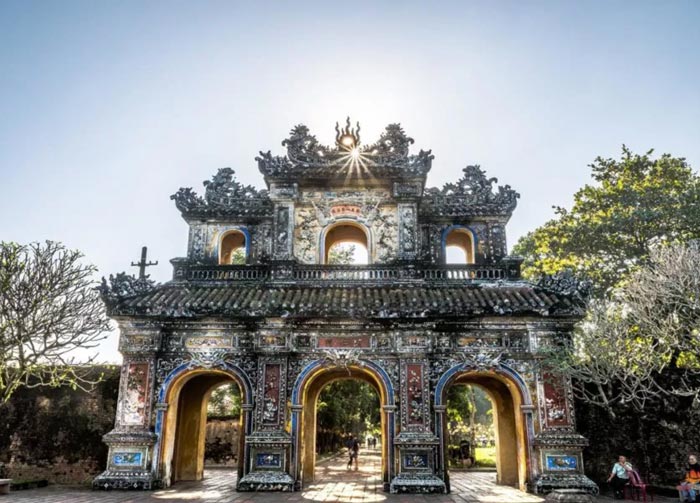
If you’re passing through the center, build some flexibility into your schedule. The sites of Hue (Imperial Citadel, royal tombs) and Hoi An’s old town are perfectly enjoyable in light rain — it even suits their atmosphere.
Southern Vietnam in January
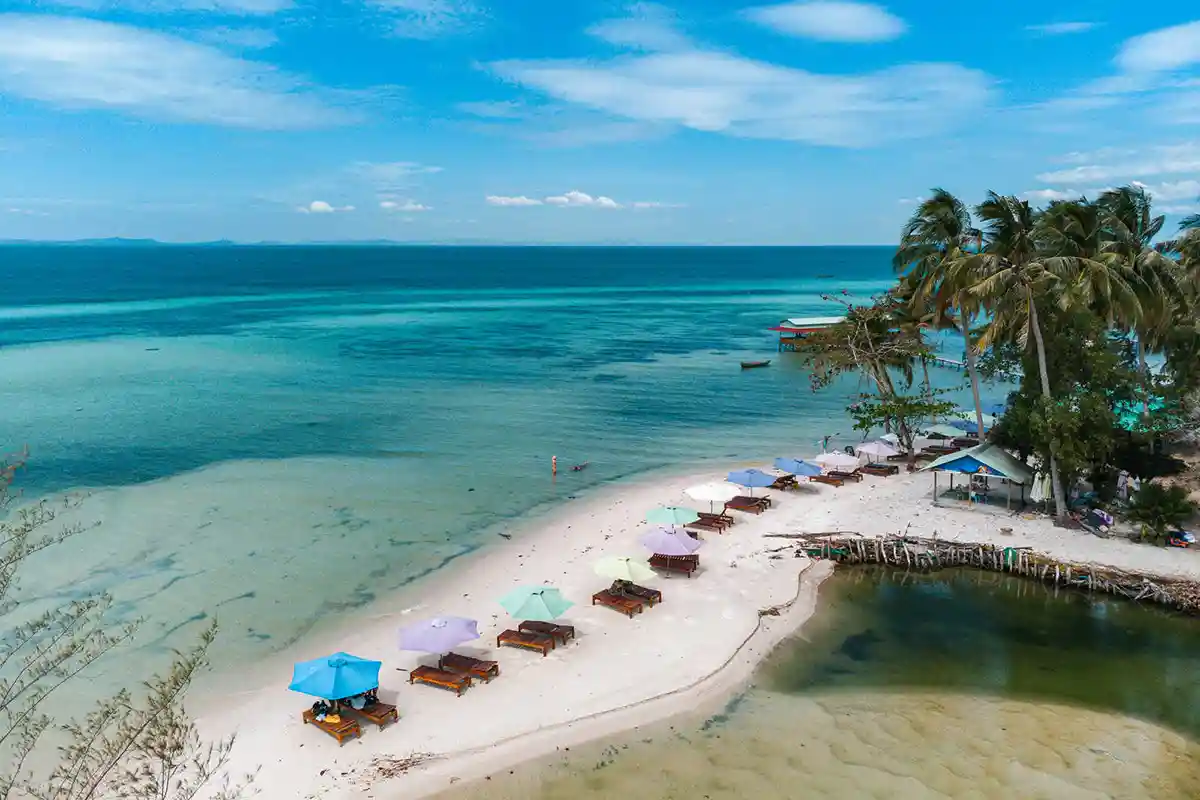
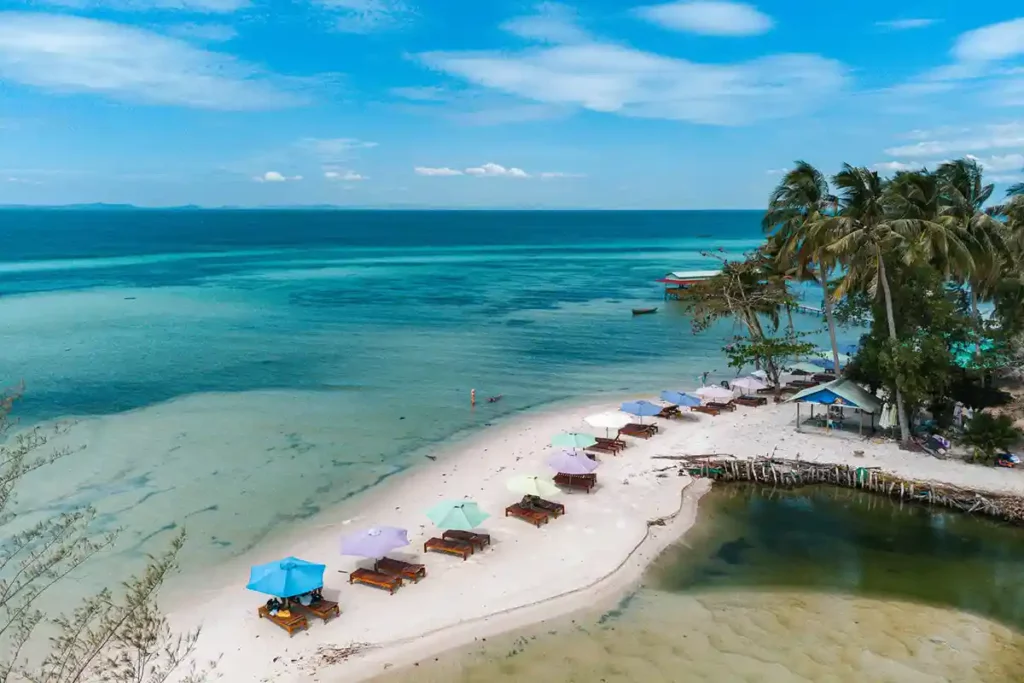
This is the big winner of January! Ho Chi Minh City, the Mekong Delta, Phu Quoc and Nha Trang enjoy the full dry season: little to no rain, temperatures between 22 and 33°C, clear skies. January is one of the best months for the southern beaches and for diving around Phu Quoc and Con Dao.
Why travel to Vietnam in January?
January in Vietnam offers several concrete advantages that other months don’t.
Tết is coming: the atmosphere is unique
In 2027, Tết (Vietnamese Lunar New Year) falls on February 6. From late January onward, the country comes alive: flower markets set up in the streets of Hanoi, decorations appear on facades, families prepare bánh chưng (sticky rice cakes). It’s a culturally rich period, letting you see Vietnam in a different rhythm than the rest of the year.
A practical tip: if you’re traveling in late January, book your transport ahead of time. Vietnamese people travel home to their families in large numbers for Tết — trains, buses and domestic flights fill up quickly.
Fewer tourists, more space
January is a relative low season for foreign tourism. Sites like Hoi An, Halong Bay or Ninh Binh see fewer visitors than in November or March. It’s noticeable: you explore more peacefully, accommodation is more available, and prices are sometimes more negotiable.
More affordable rates
International flights, hotels, organized tours: prices are generally lower than in November-December. If budget is a factor for you, January is one of the most cost-effective months to travel to Vietnam.
Where to go in Vietnam in January?
Hanoi: the capital under its winter coat
Hanoi in January has something special about it. The cool air slows the pace, the morning mist gives an almost European feel to the shores of Hoan Kiem Lake, and the markets start taking on Tết colors. It’s one of our favorite times to discover the capital.
What we recommend doing in Hanoi in January:
- Stroll through the Old Quarter early in the morning, while the mist is still there
- Visit the Temple of Literature and the Museum of Ethnology
- Attend a water puppet show
- Explore the Quang Ba flower market as it prepares for Tết
- Enjoy a hot bowl of phở at a small eatery on Bat Dan street
What to pack: a raincoat, a sweater and a light jacket for the evenings. Temperatures aren’t extreme, but the damp cold feels stronger than the numbers suggest.
Halong Bay and Ninh Binh: must-sees despite the mist
Halong Bay in January is calmer and less crowded than in spring. Morning mist sometimes veils the karst peaks — some travelers find it beautiful, others experience it as a letdown. We suggest anticipating it and seeing it as an experience in its own right rather than a drawback.
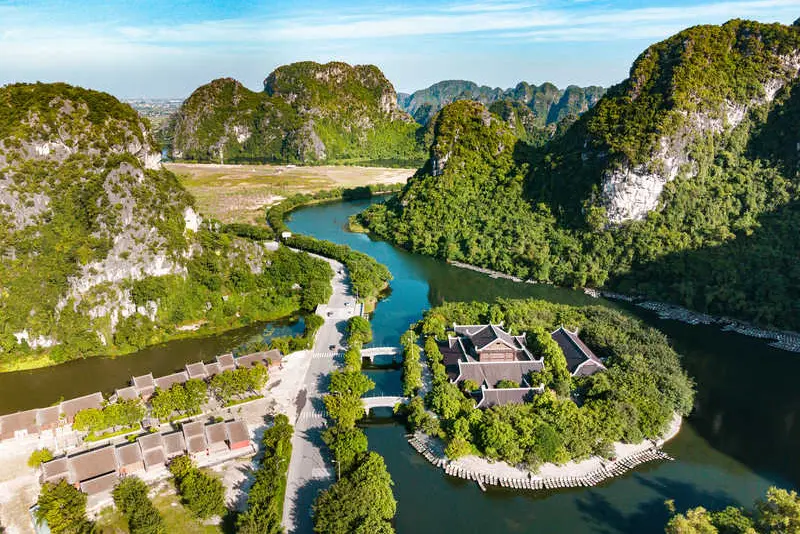
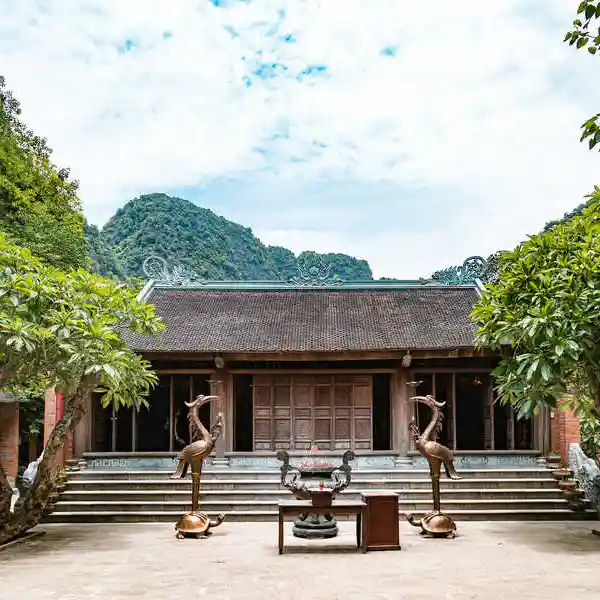
Ninh Binh, on the other hand, is excellent in January. The rice fields are bare, but the karst formations stand out strongly, and sites like Trang An and Tam Coc are far less crowded than in October-November.
Our recommendation: combine Hanoi (2 nights) + Ninh Binh (1-2 nights) + a Halong Bay cruise (2 nights). It’s the ideal northern circuit for January, accessible and coherent.
Ho Chi Minh City: full season, full energy
January is one of the best months to visit Saigon. Blue skies, dry heat, no humidity — the city is at its best. It’s also when Tết preparations start animating the neighborhoods: flower markets, decoration stalls, festive cooking smells in the alleys.
What we recommend:
- The War Remnants Museum and the Reunification Palace for history
- Ben Thanh Market and the Bui Vien district for the urban atmosphere
- A day trip to the Cu Chi tunnels
- A food tour in District 1 for street food
The Mekong Delta: nature and authenticity
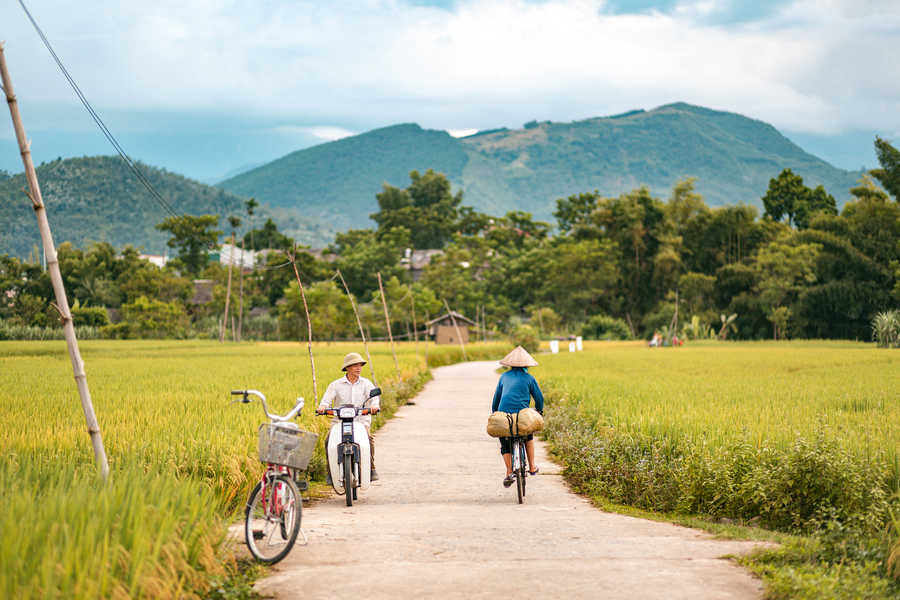
January is ideal for the delta. No rain, mild temperatures, lively floating markets. The classic excursion from Ho Chi Minh City (one day or two) is particularly pleasant this month: the canals are calm, the vegetation lush, and the villages of Can Tho or Ben Tre welcoming.
Phu Quoc: the best time of year
This is a consensus we share with all our travelers: if you can only pick one month to go to Phu Quoc, pick January. The dry season is at its peak, the water is clear, the beaches are pristine and diving conditions are optimal.
Best beaches: Bai Truong in the southwest for sunsets, Bai Ong Lang in the north for wild coves, Bai Sao in the south for turquoise waters.
Nha Trang: sun and diving
Nha Trang in January offers dry, pleasant weather, with temperatures around 26°C. It’s a good base for boat trips to the surrounding islands and for scuba diving. Less “glamorous” than Phu Quoc, but more affordable and well positioned on a central-to-south route.
Our recommended itinerary for January
Here’s the itinerary we most often suggest for a January trip, designed to maximize good weather while including the North’s must-sees.
2-week circuit — January in Vietnam
| Days | Stop | Why |
|---|---|---|
| Days 1-3 | Hanoi | Capital discovery, pre-Tết atmosphere |
| Days 4-5 | Ninh Binh | Trang An cruise, karst scenery |
| Days 6-8 | Halong Bay | 2-night junk cruise |
| Days 9-10 | Hoi An | Old town, food (weather improves in the second half of the month) |
| Days 11-12 | Ho Chi Minh City | City, history, street food |
| Days 13-14 | Phu Quoc | Beaches, diving, relaxation |
This route follows the month’s weather logic: start in the North where it’s cool but still worth visiting, cross the center in the second half of the month once the rains ease, and end in the South under full sun.
Practical tips for traveling to Vietnam in January
What to pack?
The rule: prepare for two different climates if you’re visiting both the North and South.
For the North: a sweater, a light jacket, a compact raincoat, a scarf. A pair of closed shoes for Hanoi’s cool evenings.
For the center and south: light clothing, a hat, high-SPF sunscreen. A light cardigan for heavily air-conditioned restaurants and hotels.
Tết: dates and precautions
In 2027, Tết falls on February 6. The preceding week (around January 30 to February 5), many shops, restaurants and tourist services close or reduce their activity.If you are traveling in late January, you will be right in this period: book your domestic transport tickets as early as possible.
Documents and visa
For French nationals, Vietnam grants a visa exemption for up to 45 days. Belgian and Swiss nationals also benefit from a 45-day exemption. For Canadians, the e-visa is mandatory — expect 25 USD and 3 business days of processing.
Health
No mandatory vaccination to enter Vietnam. We recommend a consultation with a travel doctor for advised vaccines (hepatitis A, typhoid). Bring mosquito repellent for the south and the Mekong Delta.
Vietnam in January: our final verdict
January is a good month to travel to Vietnam, provided you plan your itinerary well. The South is excellent — it’s one of the best times of year for Phu Quoc, Ho Chi Minh City and the Mekong Delta. The North is worth visiting despite the cold and mist, with a wintery atmosphere that has its own charm. The center calls for a bit of flexibility, especially early in the month.
What you’ll only find in January: the buzz of Tết preparations, flower markets setting up, and tourist sites free of the high-season crowds.
Planning a trip to Vietnam in January? Contact our team in Hanoi to build your tailor-made itinerary, adapted to the weather and to your interests.
FAQ: Vietnam in January
Where should you go in Vietnam in January?
Head South first: Ho Chi Minh City, the Mekong Delta, Phu Quoc and Nha Trang are in the heart of the dry season. The North is still worth visiting, with cool and often misty weather.
Is it cold in Hanoi in January?
It is cool, between 15 and 21°C, with frequent drizzle. Pack a sweater, a light jacket and a raincoat.
Can you do a Halong Bay cruise in January?
Yes. Mist can veil the scenery for part of the day, but sailing, kayaking and cave visits remain entirely possible.
Should you avoid Central Vietnam in January?
Not necessarily, but rain can be heavy in Hue and Hoi An early in the month. Conditions usually improve from mid-January.
Is January a good time for Phu Quoc?
Yes, it is the best time of the year: the dry season is at its peak, with 23 to 29°C and clear water.
Is traveling to Vietnam cheaper in January?
Yes, flights, hotels and tours are usually cheaper than in November and December. Book your domestic transport early as Tết approaches, though.