













November is one of the best months to discover Vietnam, but on one condition: you must choose your region carefully. While the North and the South offer nearly ideal conditions at this time of year, Central Vietnam is in the middle of its most difficult season. At Parfum d’Automne, we have been organising trips to Vietnam for more than twenty years, and we know that a successful November trip depends above all on a good reading of regional seasons. Here is what you need to understand before you leave.
What Is the Weather Like in Vietnam in November?
In November, Northern and Southern Vietnam enjoy dry and pleasant weather, while Central Vietnam is going through its most intense rainy season.
Vietnam stretches over more than 1,600 kilometres from north to south, and it is impossible to speak of a single national weather. In November, the contrast is particularly strong. In the North, autumn settles in with clear days, mild temperatures and beautiful light. In the South, the dry season begins and the sky clears up for several months. But between the two, Central Vietnam concentrates at that precise moment all the heavy rains and typhoon risks of the year.
Here is a region-by-region overview:
| Region | Temperatures | Conditions |
|---|---|---|
| North (Hanoi, Halong, Sapa) | 15 to 25 °C | Dry, bright, cool at altitude |
| Centre (Hue, Hoi An, Da Nang) | 22 to 28 °C | Heavy rain, risk of floods and typhoons |
| South (Saigon, Mekong, Phu Quoc) | 25 to 32 °C | Beginning of the dry season, sunny |
This weather map alone determines the shape your itinerary should take.
Should You Visit Central Vietnam in November?
No, we strongly advise against visiting Central Vietnam in November, as this is the peak of the rainy and typhoon season in this region.
This is a point we prefer to make very clear, because we see too many uninformed travellers arrive in Hoi An or Hue in the middle of the wet season, sometimes stranded for several days. Central Vietnam has a climatic peculiarity: unlike the rest of the country, its rainy season falls in autumn, from September to January, peaking in October and November. On top of that, the typhoon season coming from the Pacific reaches its maximum at exactly that time.
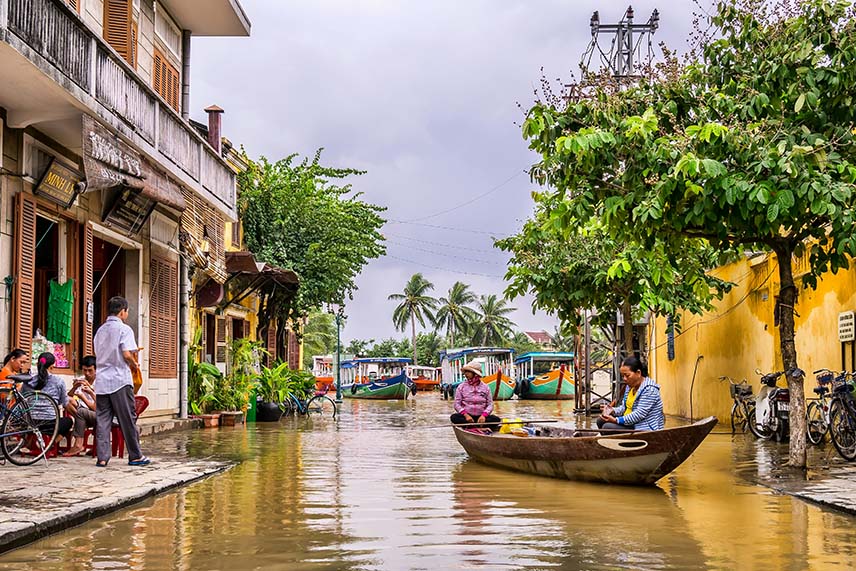
Geography makes things worse. The central coastal strip is narrow, backed by the Annamite mountains which trap ocean moisture. Rainfall is prolonged, sometimes torrential. Hue, Da Nang and Hoi An regularly find themselves underwater. In October and November 2025, historic floods hit the region, with rainfall reaching 1.7 metres in twenty-four hours in Hue, and the streets of Hoi An flooded waist-deep for several days.
In practical terms, for a traveller, this means:
- itineraries disrupted by cut roads or submerged bridges
- the possible closure of Da Nang airport in case of a typhoon
- heritage sites like Hoi An old town or the Hue Imperial City barely accessible
- a travel experience marked more by waiting and uncertainty than by discovery
Our advice is simple: if you want to discover Hue, Hoi An and Da Nang in good conditions, postpone that part of your trip to January, February or March, when Central Vietnam enjoys dry and mild weather. You can also consider the window from April to August, which remains warm but sunny.
Why Is November an Excellent Time for Northern Vietnam?
In the North, November offers clear skies, mild temperatures and luminous landscapes, with moderate crowds before the end-of-year holidays.
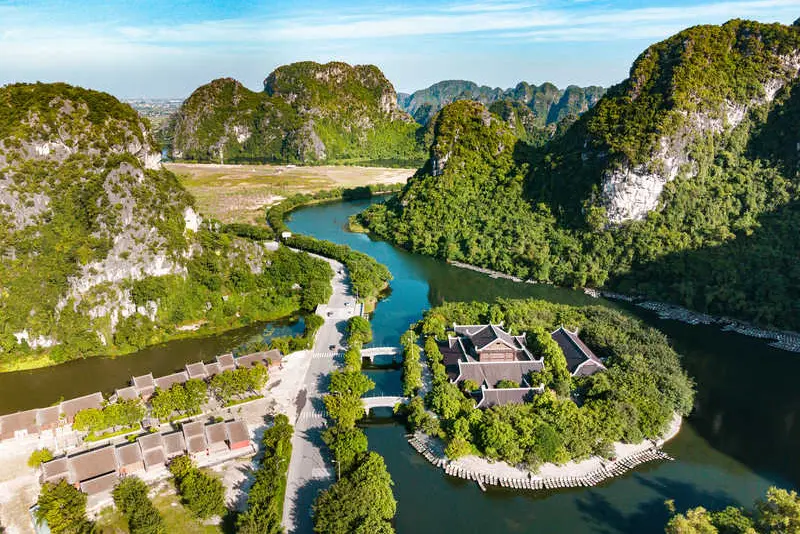
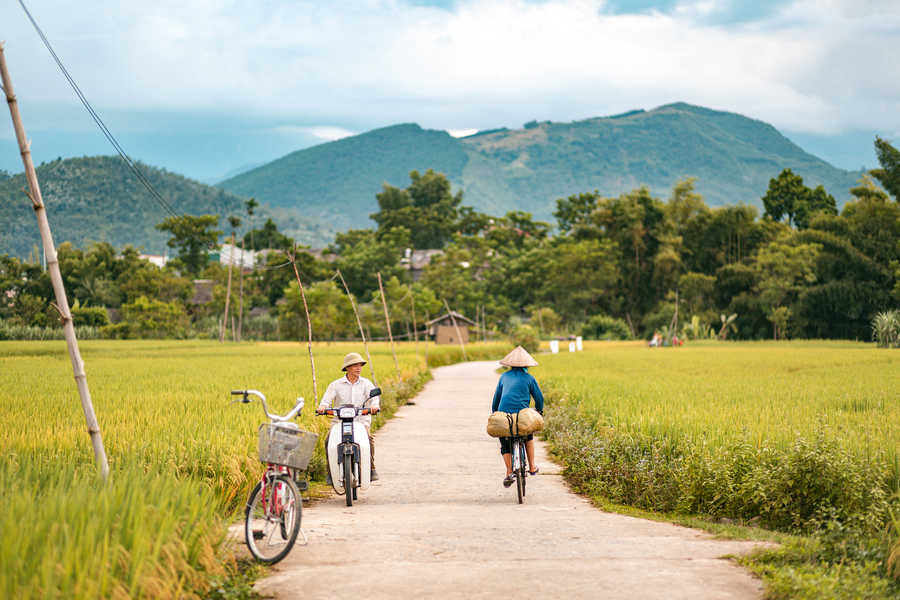
It is probably one of the most beautiful months to discover Hanoi, Halong Bay, Ninh Binh or the mountains of Sapa. Temperatures range from 18 to 25 °C in the lowlands, cooler at altitude. The air is dry, showers are rare, and the autumn light gives landscapes a sharpness you will not find in summer.
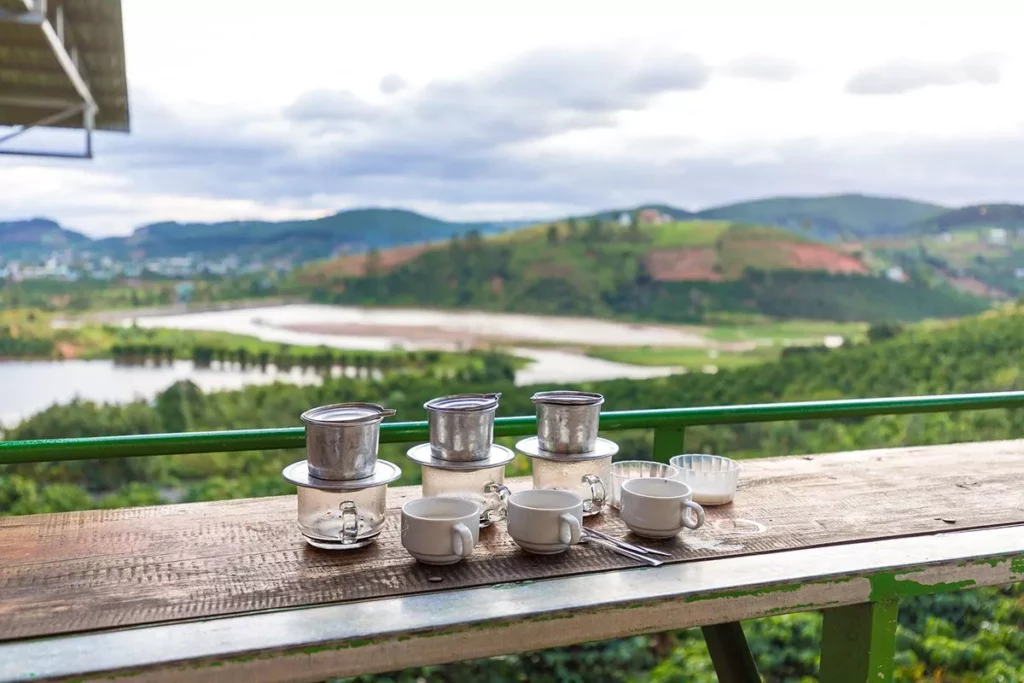
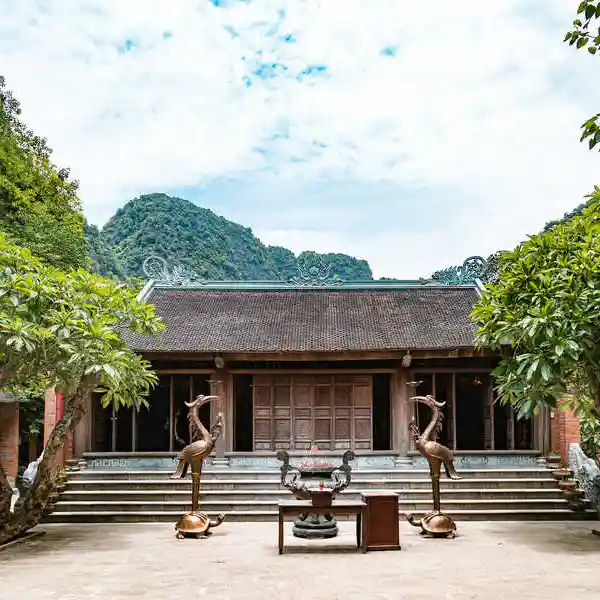
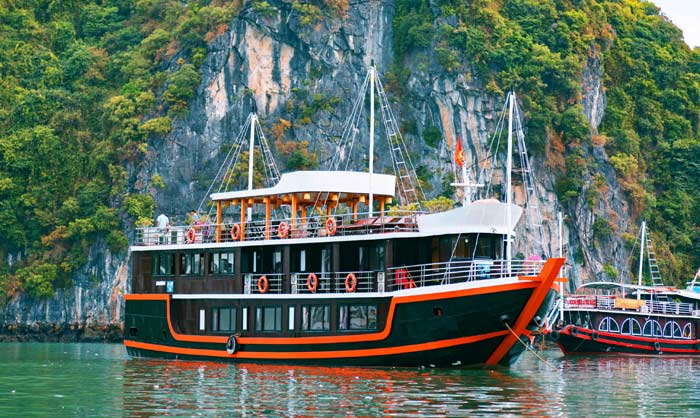
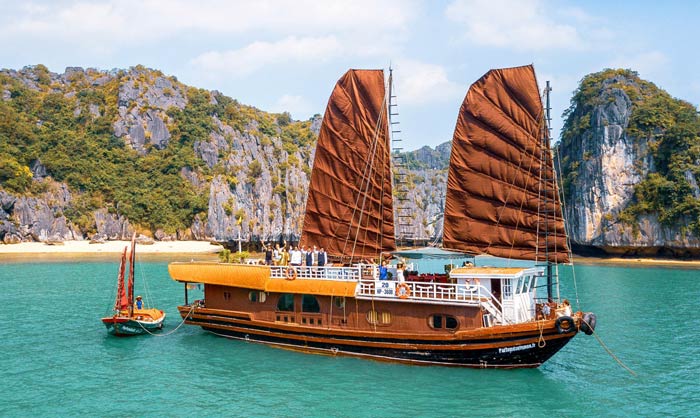
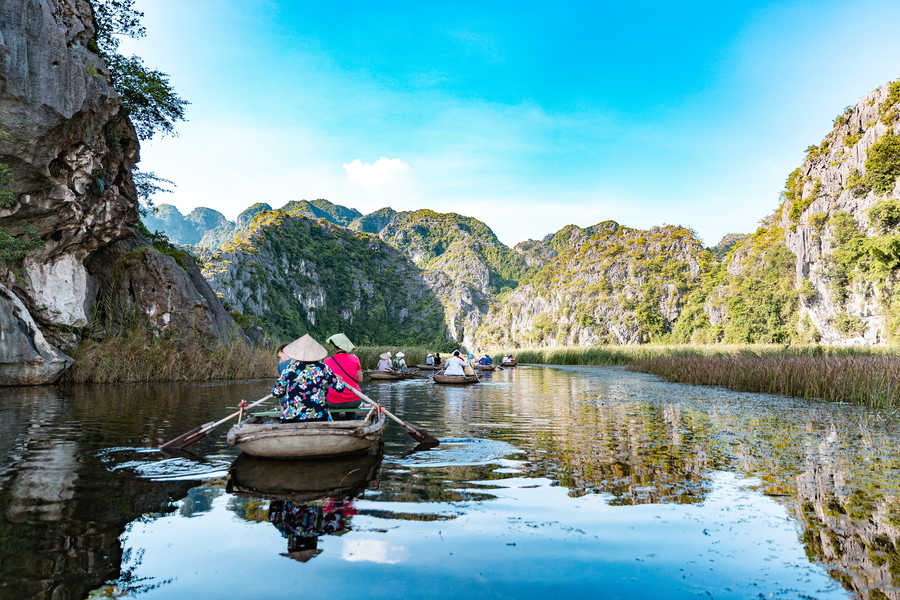
In Hanoi, the days are perfect for wandering through the old quarter, sitting at a terrace with an egg coffee, or walking around Hoan Kiem Lake at dawn. In Halong and Lan Ha Bays, the sea is calm, the sky often blue, and cruises take place in ideal conditions. In Ninh Binh, nicknamed the inland Halong Bay, the karst peaks stand out in a soft light, perfect for sampan rides in Tam Coc or Trang An.
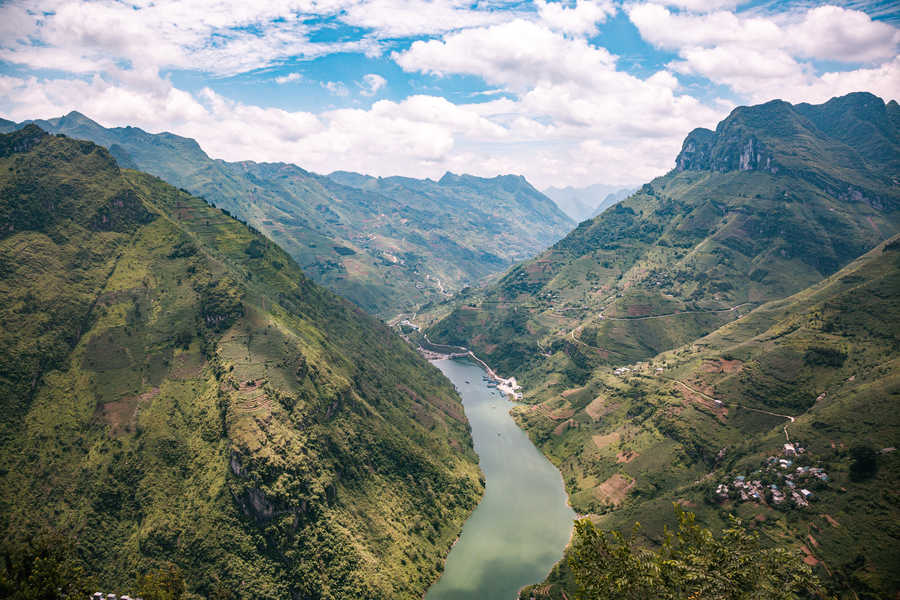
Sapa and the Northwest highlands are also worth the detour in November. The terraced rice fields, harvested in September and October, keep their golden and copper hues. It is cool, sometimes cold in the evening, but trekking conditions are remarkable, with excellent visibility over the valleys.
What to Do in Southern Vietnam in November?
Southern Vietnam enters its dry season in November, with generous sunshine and little rain, ideal for the Mekong Delta and the beaches.
In Ho Chi Minh City, temperatures rise to 28-32 °C, but humidity drops significantly compared to previous months. The city is dynamic, perfect for an urban immersion before heading down to the delta. On the Mekong, canals return to comfortable navigation levels, the floating markets of Cai Rang or Cai Be come alive at dawn, and tropical orchards offer seasonal fruits. It is also the time when homestays with local families take on their full meaning, far from the heavy heat of spring.
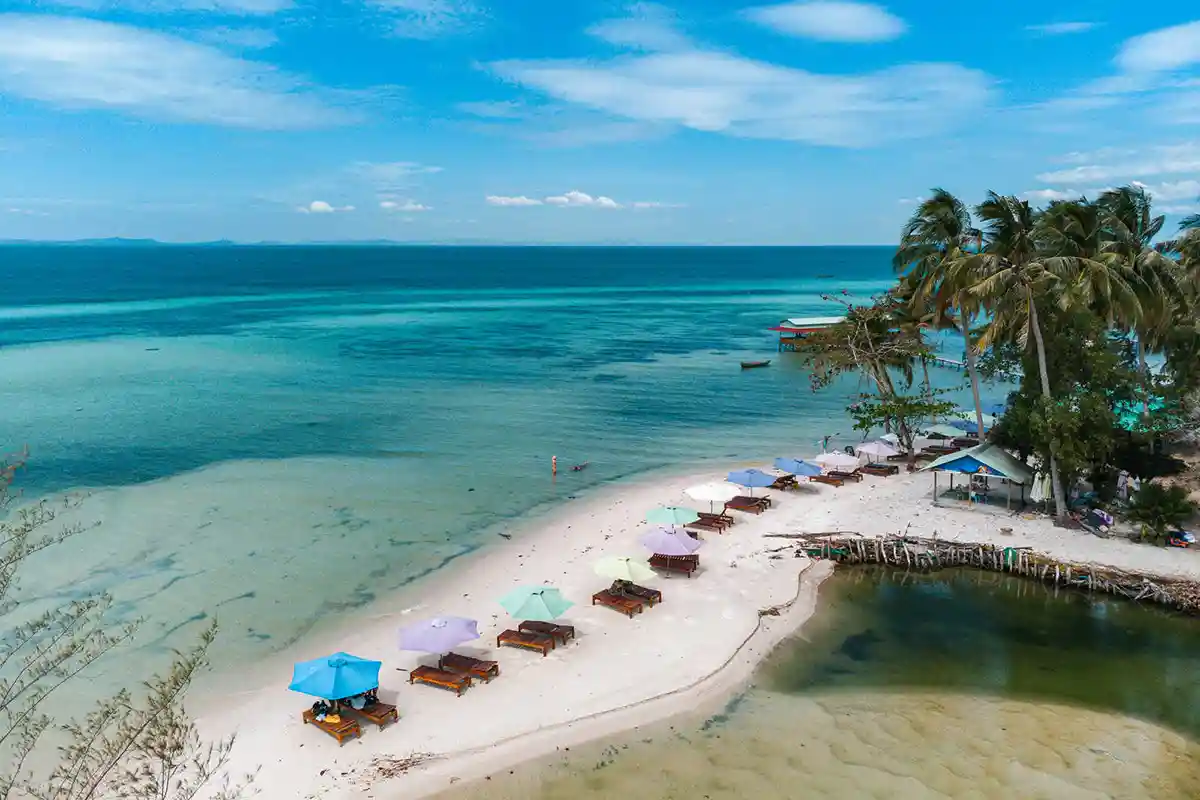
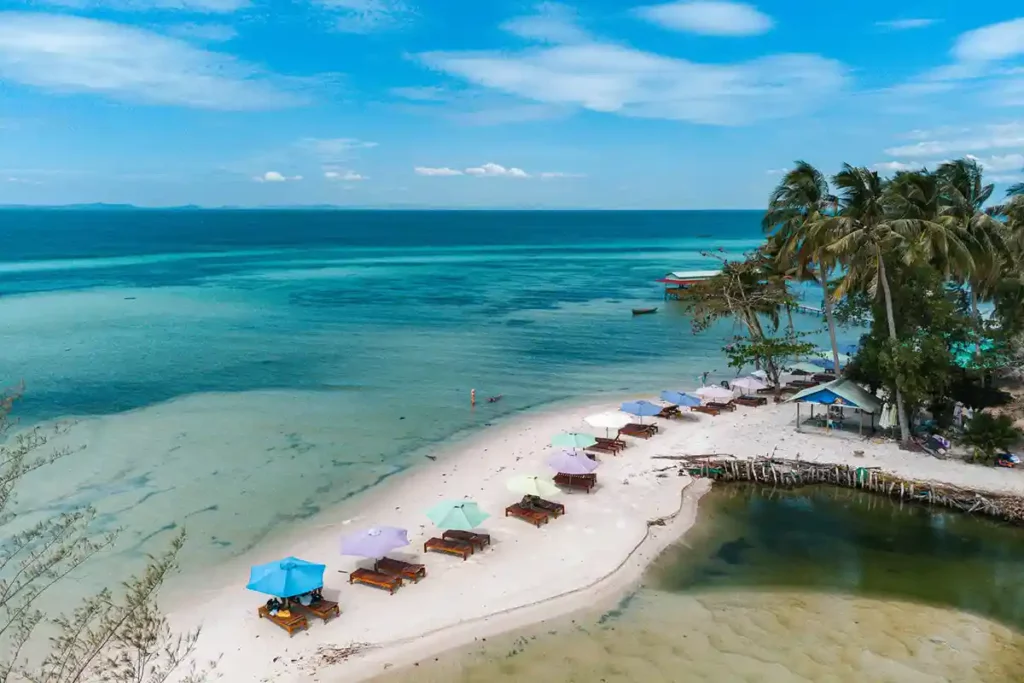
The southern beaches, especially Phu Quoc Island, also enter their best period. The sea is calm, the sun steady, the water warm. For a trip combining discovery and beach relaxation, this is the ideal window.
Which Itinerary Should You Favour in Vietnam in November?
In November, we recommend combining the North and the South of Vietnam, leaving the Centre aside or saving it for a future visit.
This is the strategy we suggest to most travellers leaving at this time. A typical two- or three-week itinerary can link Hanoi, Halong or Lan Ha Bay, Ninh Binh, possibly Sapa or Pu Luong for trekkers, then a direct domestic flight to Ho Chi Minh City, the Mekong Delta and a relaxing stop in Phu Quoc. You thus enjoy the two best regions of the moment without exposing your trip to the climatic risks of the Centre.
To refine your choice according to your priorities and departure period, you can consult our full guide on the best times to travel to Vietnam, which we update regularly based on our field experience.
For travellers who are absolutely set on seeing Hoi An, it remains possible to attempt a short stop at the very end of the month, with flexibility in the programme. But we prefer to be transparent: it is a weather gamble, not a peaceful choice.
What Should You Pack for a Trip to Vietnam in November?
Pack light clothing for the South, a few warmer layers for the North, and a light raincoat to cope with regional variations.
If your itinerary includes Sapa or the highlands, bring a real sweater or fleece: nights can drop below 10 °C. In Hanoi, a light jacket is enough. In the South, linen or cotton clothing, a hat and good sun protection are essential. Add comfortable walking shoes and a small foldable raincoat: even in the dry season, a shower is always possible.
Why Is November Still a Very Good Time to Discover Vietnam?
November offers Vietnam a rare balance of favourable weather, luminous landscapes and moderate crowds, provided you choose your regions wisely.
This is what we take away from twenty years of supporting travellers: November is not a month to avoid, quite the opposite. It is a month to build intelligently. By skipping the Centre, relying on the North for landscapes and culture and on the South for warmth and wide open spaces, you compose a trip where every stop finds its best season. Sites are less crowded than in December or January, prices remain reasonable, and the experience gains in authenticity.
We often tell our travellers: the right trip is not the one that ticks every box, but the one that respects the rhythm of the country. In November, that rhythm points to the North and the South. That is how Vietnam reveals itself best.