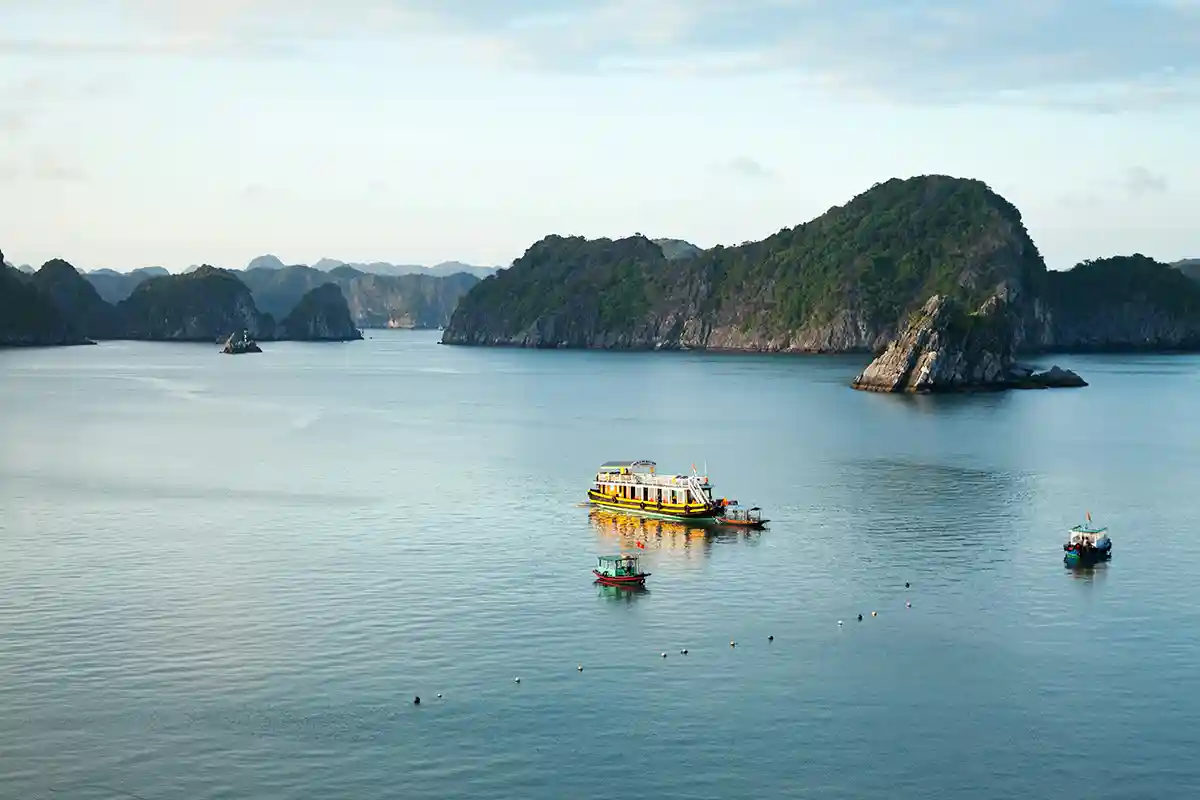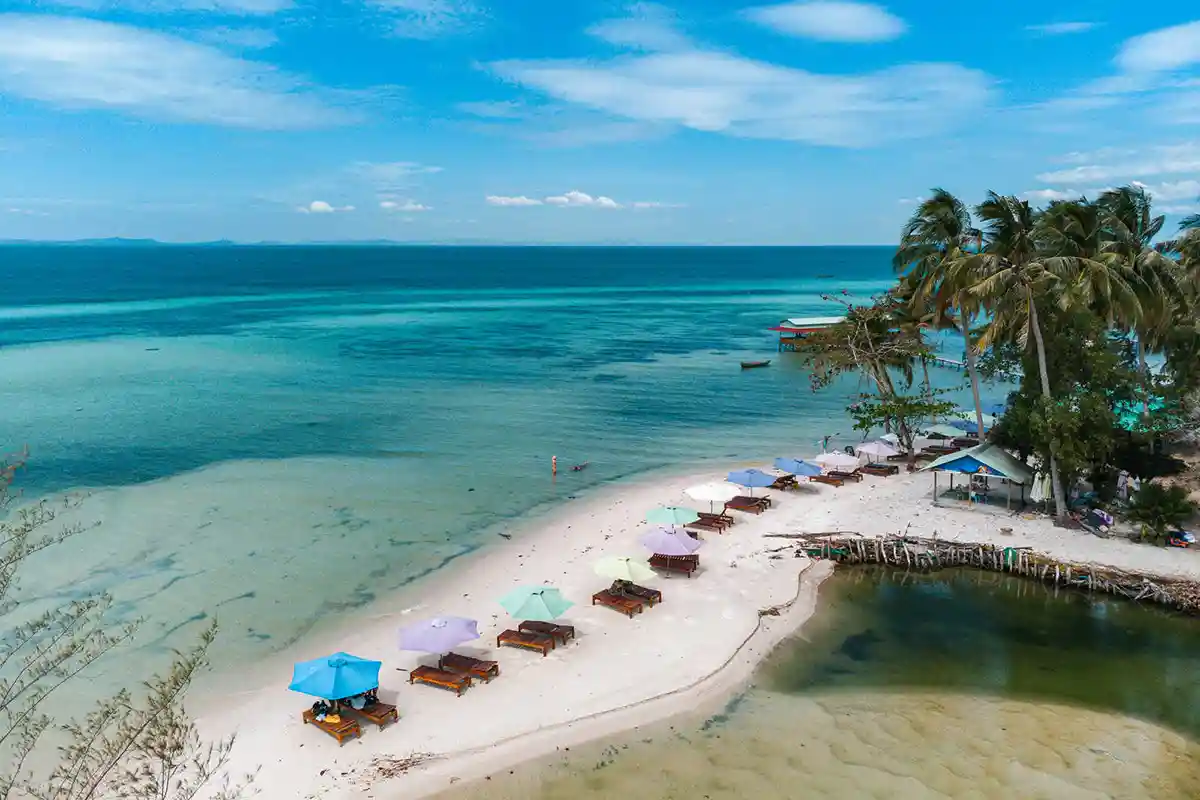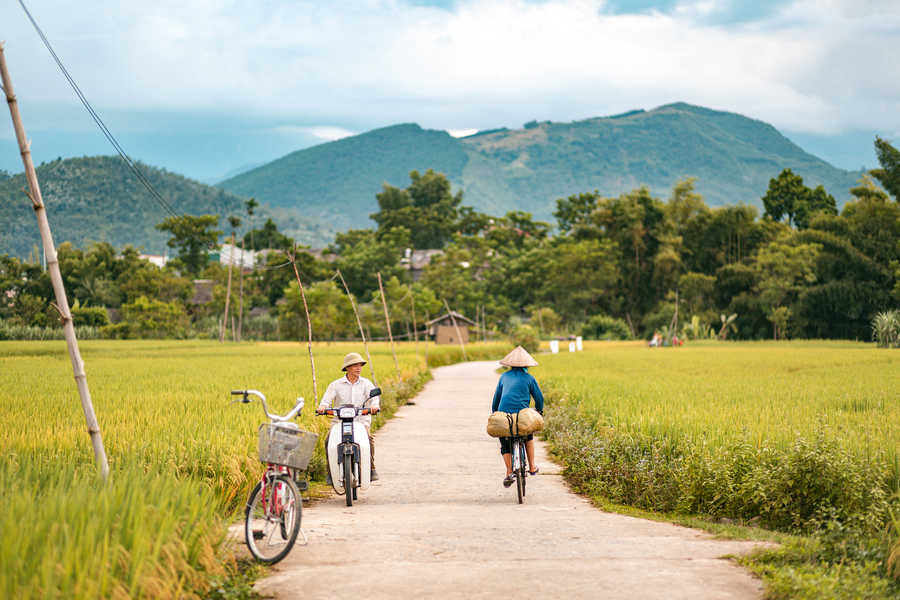

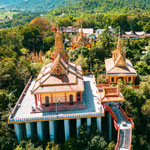
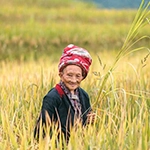
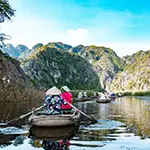

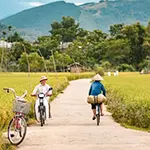
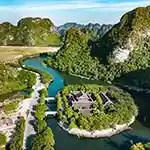

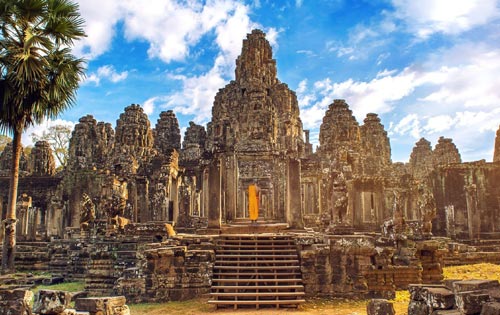


September marks the end of the rainy season in Cambodia. Showers, still frequent, are most often intense but brief, and they offer the country its greenest face of the year: water-laden rice fields, lush forests, Angkor’s moats reflecting a shifting sky.
Temperatures remain high, around 28°C on average, but the atmosphere is more breathable than in April or May. Above all, tourist numbers are at their lowest: major sites like Angkor Wat, Phnom Penh, or the southern beaches can be discovered in rare tranquility, far from the high-season crowds.
At Parfum d’Automne, we consider September a season apart. It is not the easiest month — it requires a degree of flexibility in planning — but it is one of the most beautiful for those seeking an authentic, luminous, and serene Cambodia. In this article, we explain what to expect in terms of climate, which destinations to prioritize, and how to build an itinerary that makes the most of this season without being caught off guard by its constraints.
What climate and weather can you expect in Cambodia in September?
In September, Cambodia experiences a hot climate with temperatures between 24.5°C and 31.2°C, accompanied by frequent but often brief tropical showers.
September in Cambodia falls at the tail end of the rainy season — known as the monsoon — with high humidity and regular but generally intermittent rainfall. Temperatures average around 27.8°C, as recorded in the country’s main cities:
| City | Min. temperature (°C) | Max. temperature (°C) | Daily average (°C) |
|---|---|---|---|
| Kampot | 23 | 30 | 26.5 |
| Koh Kong | 24 | 31 | 27.5 |
| Phnom Penh | 25 | 32 | 28.6 |
| Siem Reap | 25 | 31 | 28.3 |
| Stoeng Treng | 25 | 32 | 28.2 |
Tropical rains, though frequent, are often short-lived and do not significantly disrupt cultural visits or sightseeing. These showers do, however, intensify the vegetation, offering travelers a palette of lush landscapes — particularly in rural areas and around the temples.
To make the most of an itinerary despite the weather, it is advisable to plan around rain episodes and to favor morning visits, when conditions tend to be drier. This seasonal context also translates into lower tourist numbers, creating a more peaceful setting in which to discover Cambodia’s wonders.
Our guide on the ideal season and practical tips for Cambodia provides valuable additional context for planning a trip according to weather conditions.
The rainy season reaches its peak between July and September. However, in September, rainfall slowly begins to ease, marking a transition toward the end of the monsoon. The showers are intense but brief, often accompanied by winds strong enough to clear the air and cool the atmosphere.
- Showers occur mainly in the late afternoon or evening.
- Mornings tend to be clearer — ideal for cultural visits.
- The solar cycle ensures stable light despite the monsoon.
- Some dams and waterways are at their fullest, making certain routes more scenic but occasionally harder to access.
This picture is reflected directly on the ground: feedback from September travelers speaks of a balance between lush nature and unpredictable downpours — one that requires some planning ahead, but never stands in the way of exploration.
Which itineraries work best in Cambodia in September?
In September, a Cambodia itinerary should combine morning visits with sites that remain accessible during the rainy season for an optimal experience.
The season lends itself to a circuit blending cultural heritage and natural immersion, with the added benefit of reduced tourist numbers. Here is a selection of well-suited itineraries:
- Phnom Penh: Explore the city early in the morning to visit museums, covered markets, and historical monuments before the heat and rain set in.
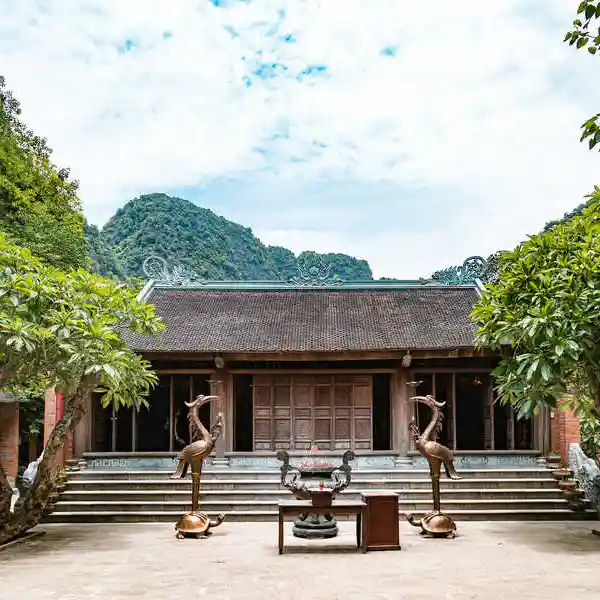
- Siem Reap: The iconic Angkor temple complex remains fully accessible and takes on an amplified beauty thanks to the post-monsoon greenery. The rains only heighten the majesty of the ruins.
- Kampot and Kep: In the south, these towns offer riverside strolls and coastal walks, with a possible stop at the famous beaches — far quieter at this time of year.
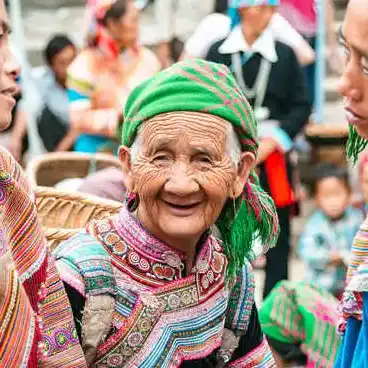
- Stoeng Treng and Ratanakiri: For those venturing into the northeast, the forested and ethnic landscapes are particularly vivid in this season, offering authentic encounters with local communities, including the Cham ethnic groups.
This configuration strikes an excellent balance between comfort and discovery, combining cultural visits with immersion in nature.
To go deeper into the temples and major cultural sites, our article on Cambodia’s most beautiful temples is an essential reference.
The specific weather conditions of September call for a few practical measures to ensure a smooth trip:
- Appropriate clothing: opt for lightweight, waterproof, breathable garments, along with a hat or cap for sun protection.
- The right equipment: waterproof shoes, dry bags, and protection for electronic devices.
- Flexible plans: itineraries should be adaptable to tropical downpours.
- Transport planning: some rural roads can be difficult — opt for suitable vehicles and reliable local guides.
- Health precautions: the wet season encourages mosquito activity; insect repellent is essential to guard against tropical diseases.
This organized, safety-conscious approach allows travelers to make the most of a September stay in Cambodia — enriched by the country’s natural and cultural abundance.
We also recommend reviewing the practical visa information for Cambodia before departure.
How does the rainy season affect tourism in Cambodia in September?
The rainy season reduces tourist numbers in Cambodia in September, offering a quieter, more authentic experience.
With persistent tropical rains, visitor flows naturally decrease — particularly at major sites such as Angkor or Phnom Penh. This drop in attendance brings several advantages:
- Calm and serenity: fewer tourists allow temples and museums to be explored in a more peaceful atmosphere, away from the crowds.
- More authentic interactions: travelers find it easier to connect with locals and benefit from more attentive service at accommodations and on tours.
- More attractive prices: this period can also offer better deals on accommodation and transport.
That said, the season requires a degree of adaptability, as certain paths or activities may be temporarily closed or inadvisable due to weather conditions.
For a comparison of travel periods and help choosing your destination, see our guide: Vietnam or Cambodia — our guide to choosing well.
What impact do temperatures have on tourist activities in September?
Temperatures ranging from 24.5°C to 31.2°C in September make outdoor activities pleasant despite the heat and humidity.
In September, temperatures remain in a range conducive to exploration, averaging around 27–28°C. This threshold is comfortable for getting around, provided travelers stay well hydrated and pace their visits accordingly. The table below details temperatures recorded in several key cities:
| City | Min. temperature (°C) | Max. temperature (°C) | Average (°C) |
|---|---|---|---|
| Phnom Penh | 25 | 32 | 28.6 |
| Siem Reap | 25 | 31 | 28.3 |
| Kampot | 23 | 30 | 26.5 |
| Koh Kong | 24 | 31 | 27.5 |
| Stoeng Treng | 25 | 32 | 28.2 |
These warm temperatures favor morning and late-afternoon visits, when hiking or exploring sites is more pleasant without the full force of midday heat. The high humidity, however, calls for a slower pace and regular rest breaks.
Which unmissable sites should you visit in Cambodia in September?
In September, the temples of Angkor, the capital Phnom Penh, and the coastal regions remain accessible and offer a rich cultural experience.
September’s weather takes nothing away from Cambodia’s remarkable heritage. If anything, it highlights the contrast between built patrimony and the surrounding natural world. Among the must-sees:
- The temples of Angkor near Siem Reap, their ruins wrapped in lush vegetation.
- Phnom Penh, for its museums, markets, and history — enjoyed in a less stifling, more tranquil atmosphere.
- Kampot and Kep, for a gentler encounter with the Cambodian countryside and beaches, revealing another side of the country entirely.
- The ethnic sites of the northeast, where encounters with local communities such as the Cham peoples add a deeply human and cultural dimension to the journey.
These itinerary choices are perfectly suited to a September trip — allowing travelers to enjoy Cambodia’s natural and historical riches without the usual tourist pressure.
Visiting Phnom Penh, Cambodia’s capital, and discovering its many facets in depth is highly recommended for any trip to the country.
FAQ
Does the rainy season prevent visits to the Angkor temples?
No. September rains are generally brief and do not prevent temple visits — the ruins are, in fact, enhanced by the greenery that surrounds them almost everywhere.
Should accommodation be booked in advance in September?
Due to lower tourist numbers, later bookings are more feasible, but planning ahead is still advisable for popular destinations.
Which activities work best during the rainy season in Cambodia?
Due to lower tourist numbers, later bookings are more feasible, but planning ahead is still advisable for popular destinations.
How should you manage transport during the rainy season?
It is advisable to use suitable vehicles and stay in close contact with local guides to avoid areas that become impassable.
Is Cambodia in September suitable for families?
With good organization and a flexible approach to pace, Cambodia in September can be a wonderful destination for curious, adventurous families.