










ChatGPT said:
Are you planning a trip to Vietnam in March, but feeling unsure about the unpredictable weather?
Smart traveler, let me guide you! Here, we give you all the practical information about the climate in March: temperatures, chances of rain, the best areas to visit, and the most suitable activities…
Pack your bags with confidence by following the tips from Parfum d’Automne, your travel agency in Vietnam for the past 20 years!
Overview of the weather in Vietnam in March
In Vietnam, the month of March marks an interesting climatic transition depending on the region. The North is slowly leaving winter behind, while the South enters its dry season. To help you choose the best travel period, our complete guide on when to visit Vietnam remains a must-read reference.
- In the North (especially Hanoi), temperatures gradually rise, ranging from 15°C to 25°C.
- The central region has average temperatures between 23°C and 28°C, with sunshine that can sometimes be shy.
- In the South, it’s the beginning of the dry season, with consistently warm days.
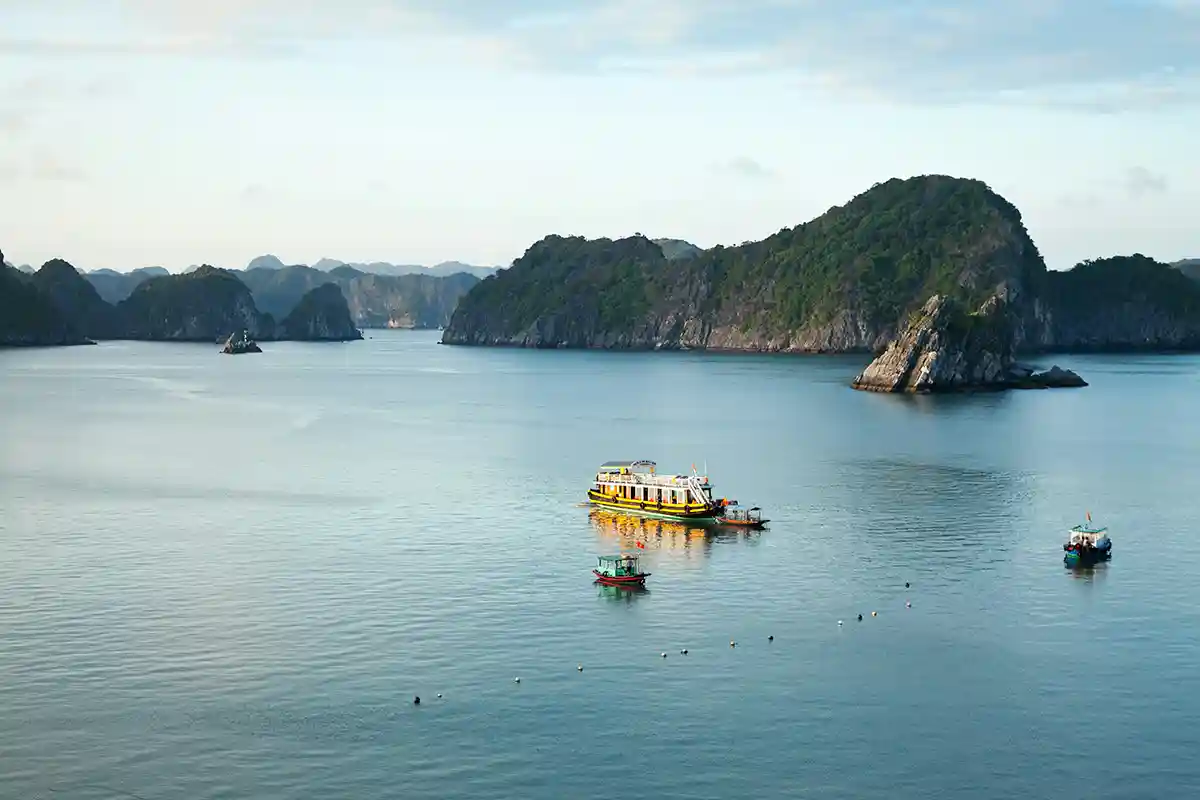
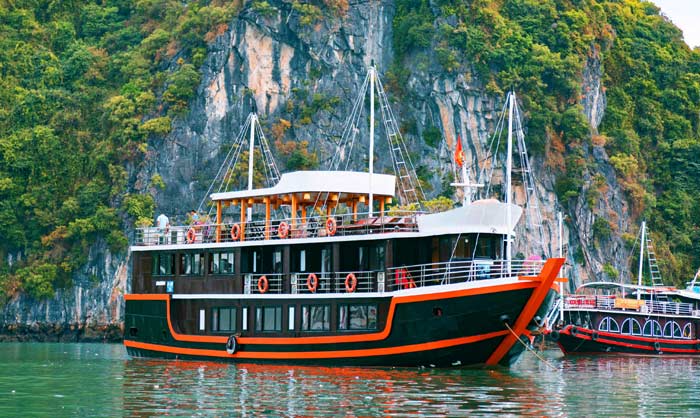
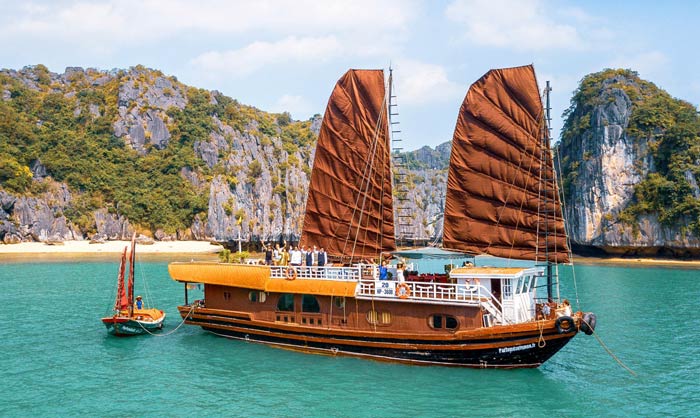
It’s worth noting that the northeast monsoon continues to influence temperatures until the end of March, especially around Hanoi. These winds bring dry yet cool weather, ideal for enjoying Halong Bay.
For reference: annual precipitation in the North (including Hanoi) ranges between 1,600 and 2,400 mm.
Regional weather specifics in Vietnam in march
To help you prepare for your trip, here is a comparative table of the average temperatures and rainfall in March:
| Average temperatures and rainfall in Vietnam in march by region | ||
| Region | Average Temperature (°C) | Average Rainfall (mm) |
| North (Hanoi) | 22 (15-25) | 42 (15 rainy days) |
| North (Sapa) | 18-27 | Not available |
| Centre (Danang) | 22-28 | Not available (4 rainy days) |
| South (Ho Chi Minh city) | Up to 37 | Noy available |
| South (Phu Quoc) | Up to 32 | 168 (19 rainy days) |
Watch out for microclimates! In the mountains around Sapa, temperatures are cooler than in Hanoi. During the day, the thermometer shows 18 to 27°C under mostly clear skies – perfect for outdoor activities. Hanoi, meanwhile, experiences cloudier weather, with average temperatures ranging from 21 to 28°C. A tip: bring a light jacket for the cool mornings in the north, especially if you plan to explore Halong Bay or the Sapa rice terraces.
In March, the weather in Hanoi differs from that in the south. This temperature contrast is explained by the geography of the country, which is divided into several climatic zones. Take Halong Bay, for example: its average temperature is similar to that of the north, while the Mekong Delta is 3 to 4 degrees warmer. A variation that directly influences the choice of activities depending on the region.
In central Vietnam – especially Danang and Hue – March marks the beginning of sunny days. It is worth noting that in Hue, the thermometer exceeds 30°C for around 16 days of the month, or 52% of the time. Ideal for exploring imperial sites! In Dalat, mild spring averages (24°C during the day) make hiking easy without excessive sweating. A tip: always bring a warm layer for cooler evenings, especially if you plan to visit Sapa or the Central Highlands.
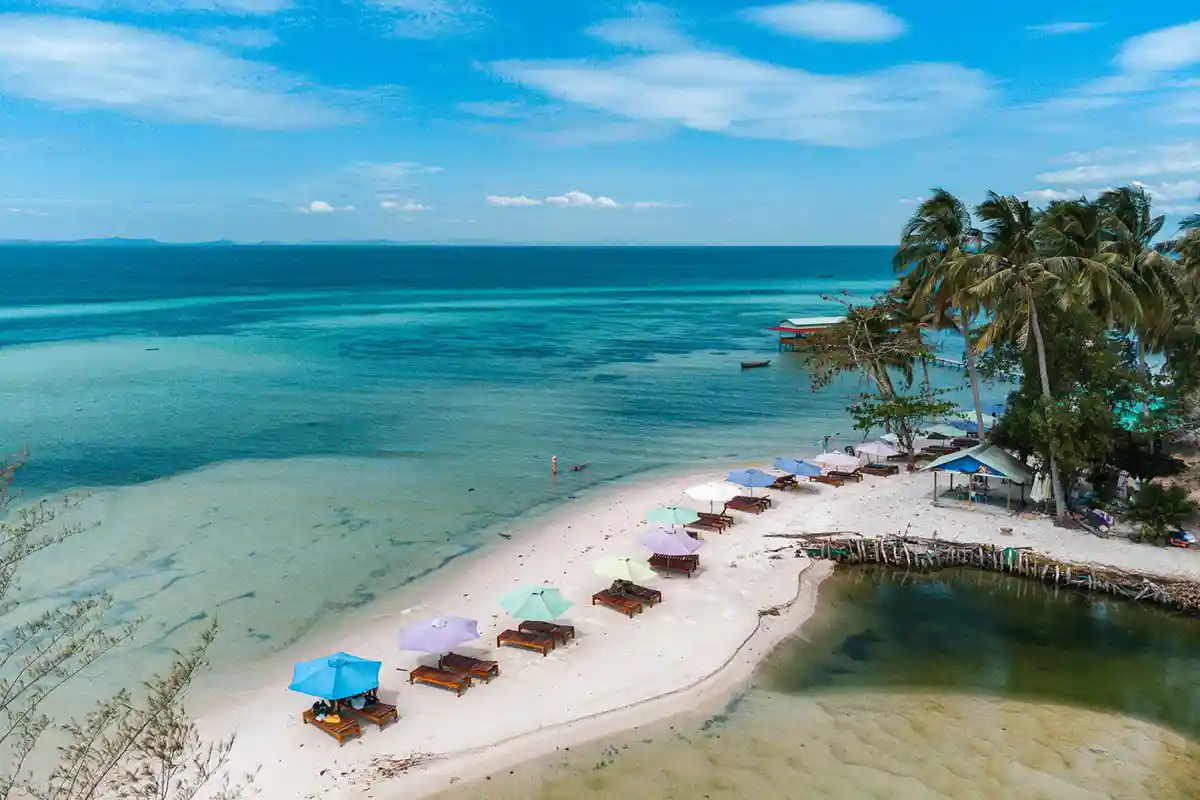
Good to know: this period offers a perfect weather window to combine Vietnam and Cambodia. Rain is scarce on both sides of the border. For beach lovers, the coast around Nha Trang offers pleasant water temperatures. But be careful: it gets hot quickly in the afternoon – plan to visit early in the morning!
Destinations to choose in Vietnam in March
If you are planning a trip to Vietnam in March, choosing the right stops makes all the difference. Notably, the coastal regions offer a good balance between sunshine and pleasant temperatures. Take the city of Hoi An, for example: with an average temperature of 28°C in March, you can fully enjoy the beaches. In Central Vietnam, cities like Hoi An, Danang, Hue, Nha Trang, Quy Nhon and Dalat offer consistent sunshine in March, with an average temperature of around 28°C, ideal for beach time. The island of Phu Quoc also enjoys intense sunshine in March, with around 63% of daylight hours.
Packing for Vietnam in March requires a bit of finesse. Here’s what we recommend:
- Choose natural fabrics like linen: ideal for coping with humid heat, especially in the south where temperatures often exceed 30°C.
- Bring a few short-sleeved tops: perfect for sightseeing days under generous sunshine, whether in Hanoi or Hue.
- Pack a long-sleeved shirt: useful for sun protection in Halong Bay and against mosquitoes in the evening.
- Take at least one modest pair of trousers: essential for religious sites, but also for cool nights in Sapa.
- Add a light windbreaker: March showers in the north often take travelers by surprise.
With these basics, you’ll be prepared for all weather conditions in the country. By the way, did you know that Phu Quoc also enjoys intense sunshine in March, with about 63% of daylight hours? A good excuse to pack a few extra swimsuits!
Recommended itinerary in Vietnam in March
In Northern Vietnam
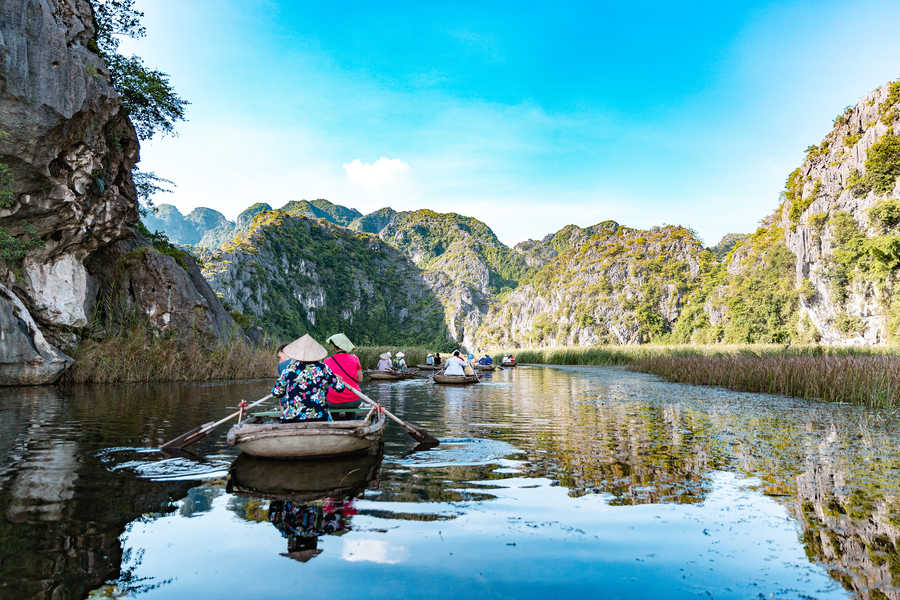
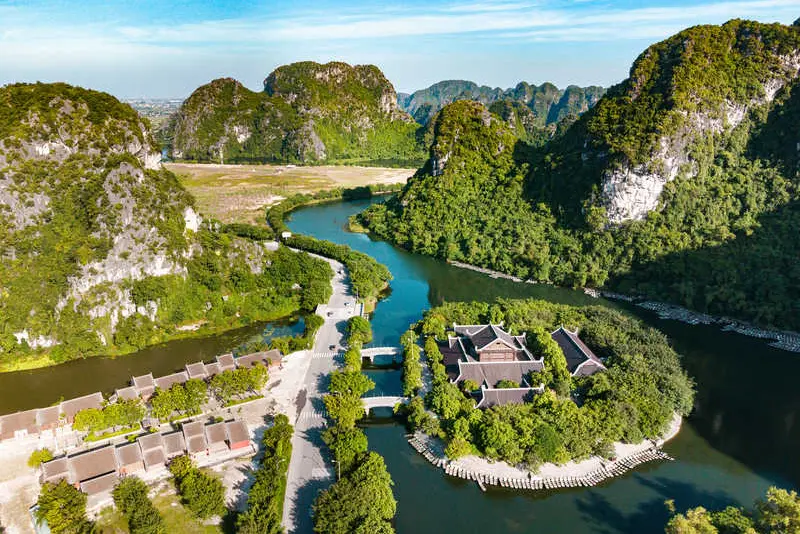
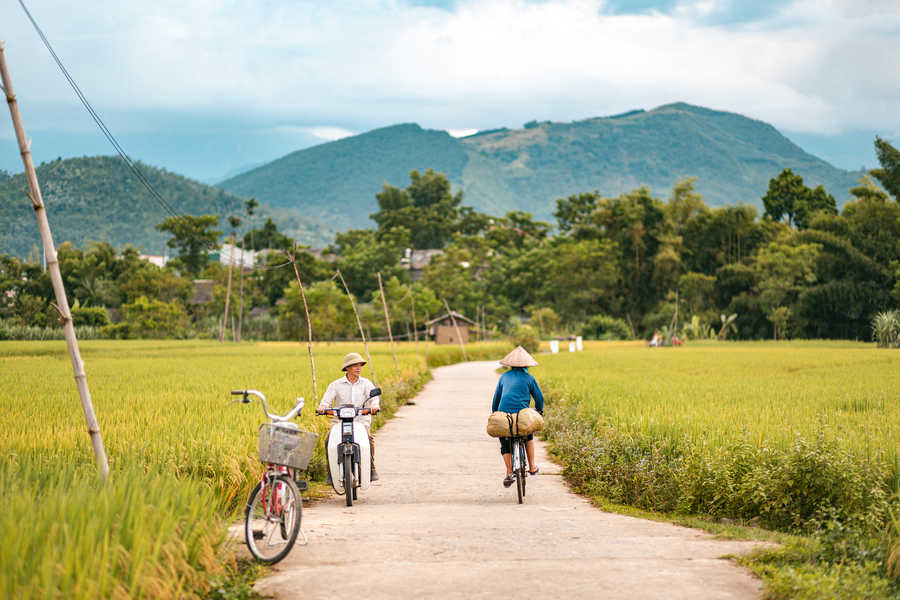
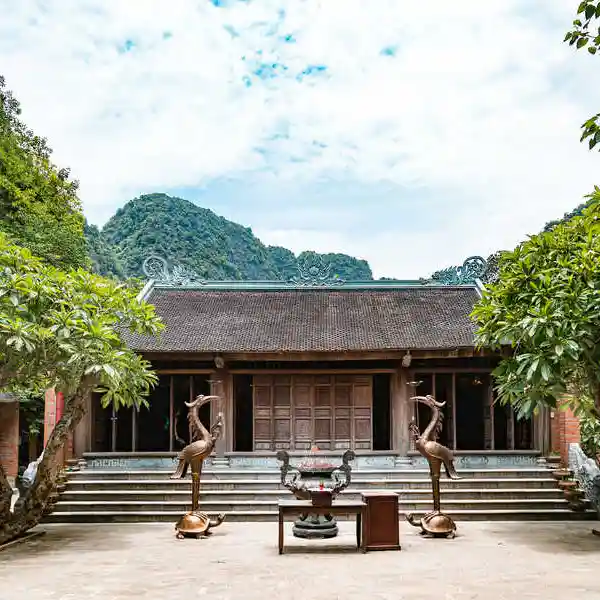
In March, Ninh Binh is ideal for getaways, with its rice fields slowly regaining their vibrant green. Tam Coc, the star of the region, offers a breathtaking landscape of karst formations and lush fields. Note that March can still feel cool at times—April is often more pleasant for fully enjoying the sites. Still, pack a light windbreaker: drizzle is common at this time of year. The must-do activity? A sampan boat ride on the Ngo Dong River, followed by the climb to Hang Mua viewpoint. Located just 93 km from Hanoi, Ninh Binh makes for an easy day trip from the capital. Keep in mind that average temperatures should be checked through official sources during this period. For more details, our weather guide breaks down each season in Northern Vietnam.
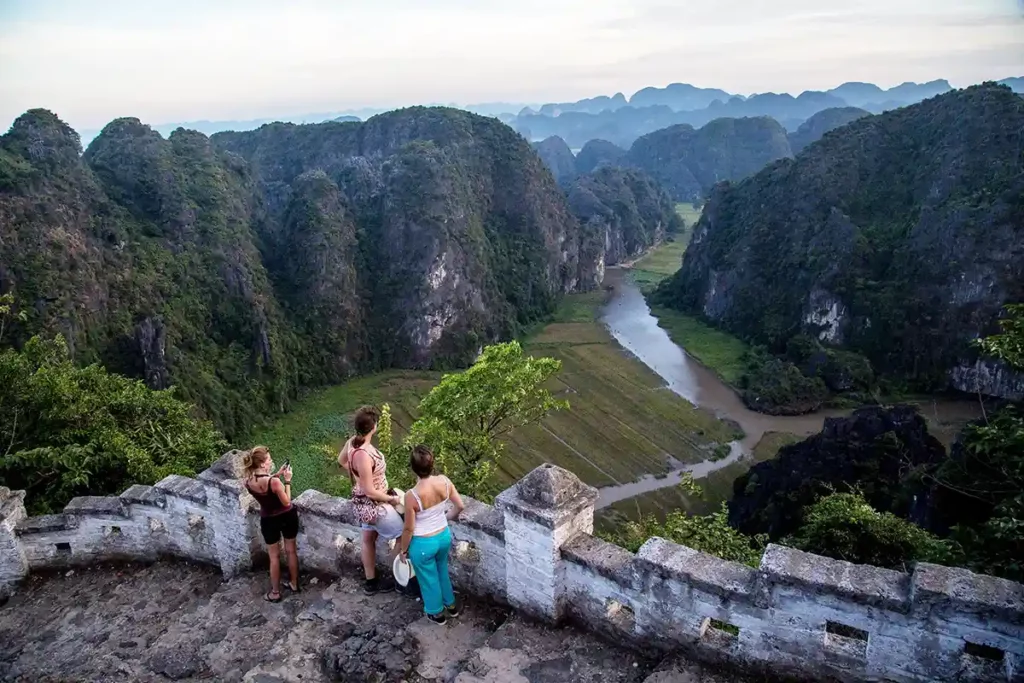
At the top of Hang Mua Peak in Ninh Binh, Vietnam
In Southern Vietnam
In the south, the Mekong Delta offers ideal weather conditions in March. It’s the perfect time to explore Con Dao and its marine life, or to go hiking in Phu Quoc National Park. Don’t miss Cai Rang in Can Tho, the king of floating markets, along with its smaller counterpart Phong Dien, for an authentic immersion.
Did you know these waterborne markets have animated the region for generations?
The average temperature should be checked through official sources, but expect plenty of sunshine. This weather is perfect for water activities and culinary discoveries.
Take advantage of it to extend your trip to neighboring Cambodia, accessible within just a few hours from the southern border.

Cai Rang floating market, Can Tho
So, ready to discover Vietnam in March? Remember this: a changing climate, breathtaking landscapes, and a well-prepared suitcase will make all the difference.
Here are some questions you might also be asking yourself.
FAQ
What events/festivals take place in Vietnam in March?
In March, Vietnam comes alive with festivals and celebrations, especially in the north. Don’t miss the Perfume Pagoda Festival (Chùa Hương), a major Buddhist pilgrimage near Hanoi, or the Ban Flowers Festival in Dien Bien Phu, celebrating the Ban blossom.
Other events include ceremonies dedicated to the goddess Thien Y A Na, and in some years, Tet (Vietnamese New Year) celebrations may continue into March, although most festivities occur in February.
What budget should you plan for traveling in Vietnam in March?
It’s difficult to give an exact figure without knowing your travel style, but for a private tour, you should expect to spend at least €90–100 per day per person. This estimate can increase if you choose more luxurious accommodations or specific activities. It will be lower if you travel as a group (around six people is often ideal).
Keep in mind that the cost of living is generally lower than in France, but your budget will depend on your choices for accommodation, transportation, and leisure.
What vaccines/health precautions are recommended?
Even though COVID-19 restrictions have been lifted, certain precautions remain essential. Make sure your routine vaccinations (DTP and MMR) are up to date, and consider vaccines for hepatitis A, typhoid fever, and rabies, especially if you plan excursions in rural areas.
Don’t forget to protect yourself from mosquito bites, as mosquitoes can transmit diseases like dengue and malaria. A travel insurance policy is also strongly recommended.
How to get around easily in Vietnam in March?
Vietnam has a good transportation network. For long distances, domestic flights are the most convenient. The train is a scenic option for traveling along the coast, while buses remain an economical way to reach many destinations.
Note that road conditions can sometimes be unpredictable. So make sure to check local weather forecasts before traveling, especially in the central or southern regions, where March marks the start of the rainy season.
What is the cost of living in Vietnam in March?
The cost of living in Vietnam is roughly 50% lower than in France. Expect to spend at least €25 per day per person, but plan a bit more if you want a more comfortable trip.
A quick lunch costs around €3, and a night in a 3-star hotel about €40. Prices may vary depending on the season—March is considered part of the high tourist season.
What travel insurance options are recommended?
Getting travel insurance is essential, especially for Vietnam. AXA Partners offers full COVID coverage, while Allianz Travel reimburses medical expenses and lost luggage.
Chapka Assurances is a good option for tourism and expatriation, covering even food poisoning and scooter accidents, which are common in Vietnam. Check whether your bank card provides sufficient coverage, but a dedicated insurance policy is usually preferable.
You now have everything you need to prepare your trip to Vietnam!