






Sapa and Ha Giang are two must-see destinations in northern Vietnam, but you may be wondering which one to visit first? In this article, we provide you with all the information you need to make the right choice: what makes each destination unique, the best seasons to go, the activities to enjoy… not to mention the development of mass tourism in both places, which leads us to recommend another region instead: Hoang Su Phi!
So, follow the guide—and feel free to contact us if you would like to organize off-the-beaten-track trips with a English-speaking guide.
Sapa or Ha Giang: what sets these two flagship destinations apart?
Sapa, perched at 1,600 meters, is a former hill station, while Ha Giang remains wilder and more remote.
What fundamentally sets them apart
Sapa, perched at an altitude of 1,600 meters, is a former hill station established during the colonial period. It enjoys a pleasant climate in summer, but winters can be harsh, sometimes even snowy. Ha Giang, on the other hand, lies between 800 and 1,200 meters above sea level and captivates visitors with its spectacular karst landscapes, shaped by a long geological process.
Depending on your choice, your trip to Vietnam will take on a very different character. In Sapa, the experience revolves around gentle hikes through terraced rice fields and Hmong or Dao villages, often combined with overnight stays in homestays. Ha Giang, wilder and more remote, offers a complete change of scenery, with authentic encounters at traditional markets, vertiginous mountain roads, and deep immersion in the cultures of northern ethnic minorities—all set against breathtaking panoramas.
Comparative table
To help you make your choice, we have prepared this comparative analysis to help you select the ideal destination for your next trip.
| Characteristics | Sapa | Ha Giang |
|---|---|---|
| Landscapes | Amphitheater-style terraced rice fields dominated by Mount Fansipan (3,143 meters). | Limestone mountains, sharp peaks and canyons (notably the Dong Van Karst Plateau Geopark), terraced rice fields (Hoang Su Phi), and the impressive Tu San Canyon. |
| Accessibility from Hanoi | Easier access: overnight train and highway, about 6 hours by car or bus | Longer journey: about 300 km, 7 à 9 hours by bus (winding road). |
| Tourism | More developed, with many tourist services and infrastructures | Less developed, preserving strong cultural authenticity. Hoang Su Phi is less crowded. |
| Ethnic diversity | A mosaic of ethnic minority group. | Home to no fewer than 12 different ethnic groups. |
| Key activities | Climbing the legendary Fansipang (hiking or modern cable car), walking through terraced rice fields. | Motorbike road-trips, discovery of the Dong Van karst plateau. |
| Recommended length of stay | 2 days are enough to see the main highlights | At least 4 days (excluding round-trip travel from Hanoi) to fully explore its diversity |
| Note: This table compares the distinctive features and experiences offered by Sapa and Ha Giang, two iconic destinations in northern Viet Nam | ||
To discover the most beautiful rice-growing landscapes, check out our article on Vietnam’s Rice Terraces: the most beautiful destinations.
What makes Sapa and Ha Giang so famous?
Sapa owes its fame to Mount Fansipan, Vietnam’s highest peak, and its terraced rice fields home to several ethnic groups.
Sapa: land of rice terraces and ethnic minorities
Mount Fansipan, the highest peak in Vietnam, attracts travelers eager to climb it and enjoy 360° views over Sapa and its surroundings. The traditional hamlets around Sapa offer a deeply enriching cultural immersion. However, it is essential to choose well-preserved communities in order to enjoy a more meaningful and authentic experience.
Here are our top recommendations to help you make the most of your stay in Sapa and truly savor the authenticity of this northern Vietnamese region.
- Trekking through terraced rice fields: Sapa is a true paradise for trekking enthusiasts. Trails suitable for all levels wind through stunning landscapes and provide opportunities to meet local ethnic groups. The rice terraces are especially spectacular from April to September.
- Visiting ethnic villages: Staying with locals without doubt the best way to enjoy an authentic experience and live at the rhythm of village life.
- Climbing mount Fansipan: Nicknamed “The Roof of Indochina”, Mount Fansipan offers breathtaking 360° views over Sapa and the surrounding mountains. You can reach the summit by modern cable car, or choose a multi-day trek depending on your fitness level and preferences.
- Exploring the Muong Hoa Valley: This remarkable valley hides mysterious rocks engraved with ancient petroglyphs and offers stunning panoramic views. It is also home to the Thac Bac Waterfall, nestled in a lush green setting.
Whether you are passionate about trekking, culture, or spectacular scenery, Sapa promises an unforgettable experience in the heart of northern Vietnam. Our team is here to help you bring this dream journey to life, as our local expertise and trusted partnerships allow us to design unique, tailor-made experiences just for you.
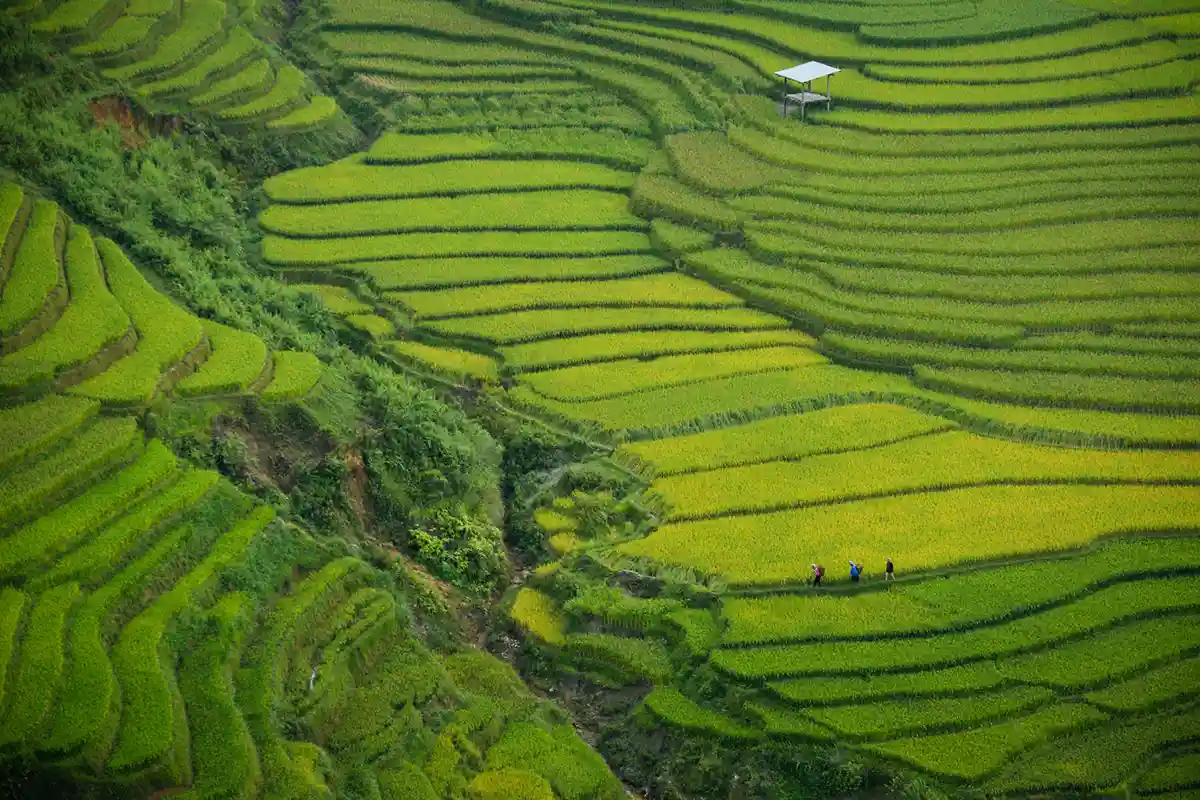
Landscapes of Sapa before the harvest
Ha Giang: a motorbike adventure through spectacular landscapes
The Ha Giang Loop has become a true legend for motorbike and adventure lovers. Winding through steep mountains, deep valleys, and limestone plateaus with surreal shapes, this route offers some of the most breathtaking scenery in Vietnam. Riding through Ha Giang by motorbike means total immersion in a region still largely untouched by mass tourism, with close encounters with ethnic minorities, their hilltop villages, and vibrant weekly markets.
However, this adventure should not be taken lightly. Mountain riding can be demanding, with winding roads, narrow passes, and sometimes rapidly changing weather conditions. Good preparation is therefore essential: choosing the right direction for the loop, identifying must-see stops, arranging homestay accommodations, and making sure you have the proper equipment. Every detail matters to ensure a successful journey.
Before setting off, take the time to read our complete guide to Ha Giang. You will find practical advice, our favorite spots, and all the information you need to enjoy this unforgettable experience safely — and with a true sense of freedom.
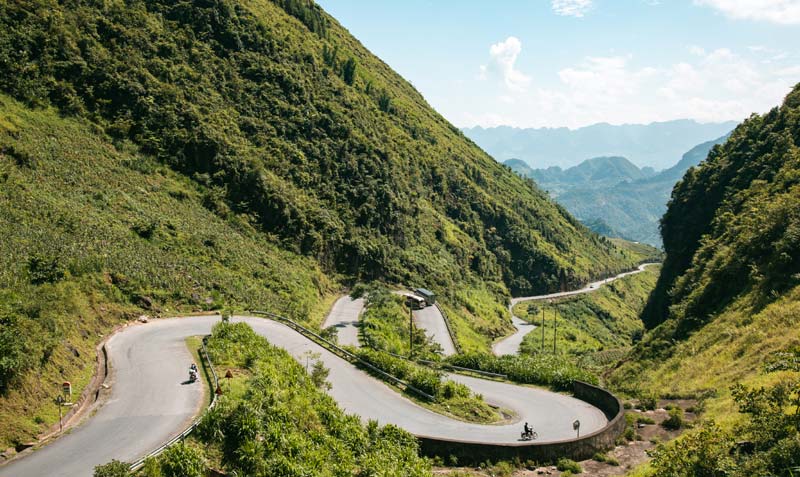
Motorcycling the Ha Giang Loop and its breathtaking landscapes
What practical tips ensure a successful trip to Sapa or Ha Giang?
Sapa is a beautiful destination year-round, though some periods suit a visit better than others.
Best times to visit Sapa and Ha Giang
Sapa is a beautiful destination year-round, but certain periods offer a truly unique experience. Late May to early June marks the rice transplanting season, when the terraced rice fields turn into shimmering water mirrors, creating strikingly beautiful landscapes. Late August to early September is harvest time, when golden rice terraces cloak the mountains in warm, glowing hues. Overall, the rainy season (from May to September) delivers the most spectacular scenery, with lush green terraces and vibrant nature—provided you do not mind occasional showers.
Ha Giang is best explored in spring (April–May) and autumn (October–November). During these seasons, temperatures are mild, skies are clear, and mountain roads are safer and easier to navigate. Spring also brings mountain blossoms, with valleys dotted with peach flowers or blooming rapeseed. Autumn, meanwhile, offers golden panoramas in the valleys and lively encounters at the weekly markets of local ethnic groups. These two seasons allow you to fully enjoy the dramatic landscapes and winding roads without the intense heat or heavy summer rains.
How to get to Sapa and Ha Giang
Sapa is easily accessible from Hanoi thanks to several transportation options. The overnight train to Lao Cai, followed by a car transfer to Sapa, remains a popular and comfortable choice. However, more and more travelers now opt for express buses or private cars via the new highway, which allows you to reach Sapa in less than 5 hours, compared to 8–9 hours in the past. This modern road has made Sapa much more accessible for short stays or last-minute getaways.
Ha Giang is located about 6 to 7 hours by road from Hanoi, making it a more remote but also more unspoiled destination. For greater comfort and flexibility, we strongly recommend traveling by private car, especially if you are traveling with family or wish to make stops along the way. An excellent option is to combine the journey with a stop at Ba Be Lake, a peaceful natural site that makes for a perfect break along the route. Although night buses are available, they offer limited comfort on such long journeys and do not allow you to fully enjoy the stunning landscapes along the way.
Are Sapa and Ha Giang too touristy? What are the alternatives?
To avoid the crowds, Sapa tours with English-speaking guides can help you explore beyond the busiest trails.
Sapa tours with English-speaking guides
We know it well: the richness of a journey also lies in the encounters and exchanges along the way. That is why our local French-speaking guides are a major asset in discovering Vietnam. Thanks to their in-depth knowledge, they open the door to a tailor-made adventure, far from the beaten path. These passionate professionals foster meaningful interactions with local communities, offering you a truly authentic immersion.
Moreover, our guided tours in Northern Vietnam, accompanied by our French-speaking guides, are carefully designed to explore these regions from a unique and original perspective.
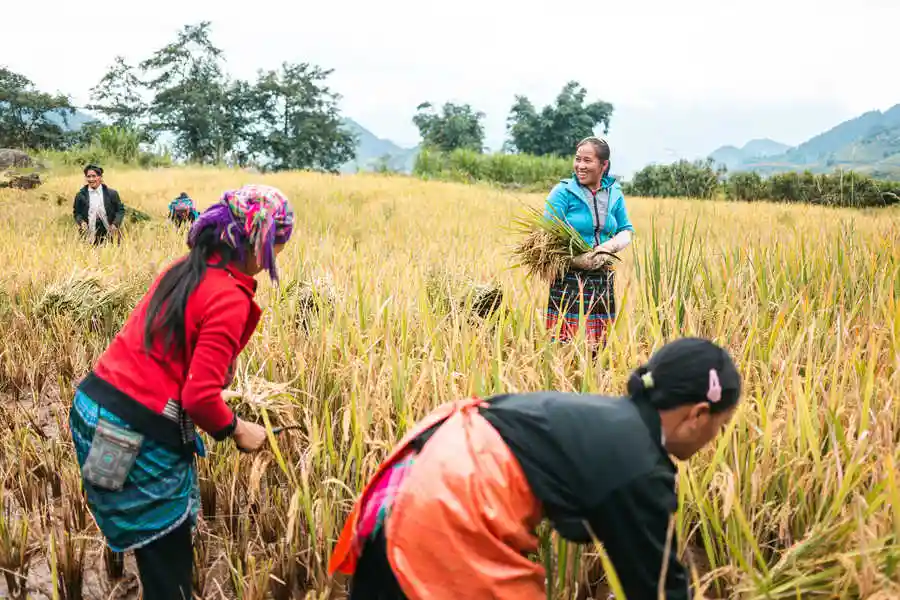
Discover Sapa off the beaten track with our English-speaking guides
Hiking in Hoang Su Phi (Ha Giang District): a little-known gem
A wonderful alternative to the Ha Giang Loop, Hoang Su Phi is a region well worth discovering. It boasts spectacular terraced rice fields, offering breathtaking scenery and, above all, a deep immersion into authentic local culture. It is a true sanctuary for travelers seeking responsible and respectful tourism.
If you would like to learn more about this unspoiled region, dive into our complete guide to the rice terraces of Hoang Su Phi, which provides all the essential information to help you plan your stay.
At Parfum d’Automne, we organize off-the-beaten-path tours in Hoang Su Phi, allowing you to explore unique panoramas, especially its terraced rice fields stretching as far as the eye can see. Not to mention our local accompanying guides, who ensure your safety throughout the journey. With us, you benefit from in-depth local expertise for a truly memorable adventure.
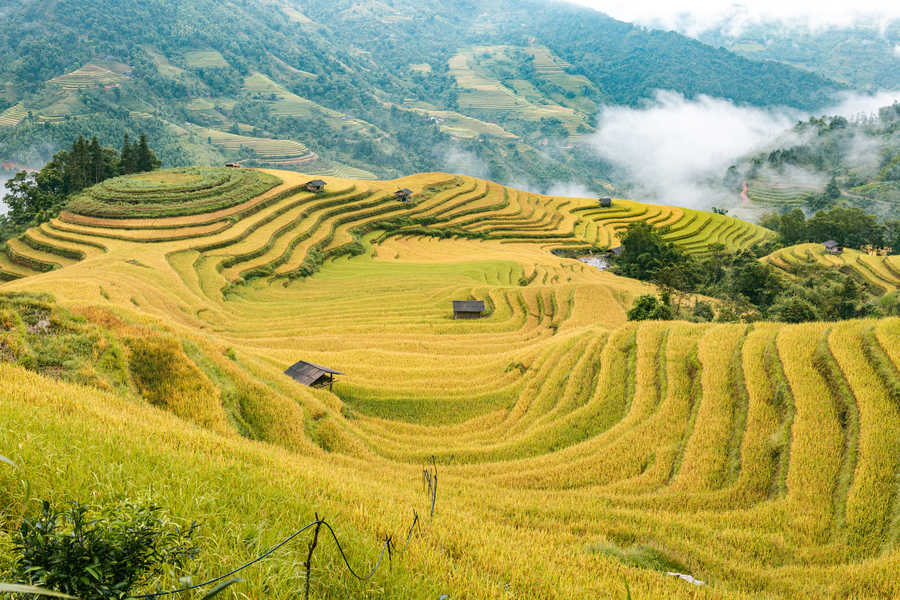
Landscape of Hoang Su Phi
What questions do travelers often ask about Sapa and Ha Giang?
To travel from Sapa to Ha Giang, the bus remains the most common option, with regular, convenient departures.
How do you get from Sapa to Ha Giang?
To travel from Sapa to Ha Giang, the bus is a common option. It is convenient, with regular departures, and the journey takes around 6 hours. It is an affordable and safe solution if you do not wish to drive.
If you prefer more comfort, freedom, and safety, we recommend a private car with a driver.
How do you get from Sapa to Ha Long Bay?
The most economical and convenient way to travel from Sapa to Ha Long Bay is by direct bus. The journey takes around 8 hours, and several companies operate this route, often with comfortable overnight buses.
Traveling by private car is faster (about 5.5 hours) but more expensive. The train is not recommended due to its long duration and required connections. As local experts, we can help you organize this transfer smoothly and stress-free.
What can you do on the Ha Giang Loop?
The Ha Giang Loop offers countless highlights. You can explore the Dong Van Karst Plateau Geopark, a UNESCO-listed site, and meet local ethnic minorities at their vibrant weekly markets.
For a truly authentic experience, we recommend staying with local families and riding through the Ma Pi Leng Pass, nicknamed the “Road of Happiness,” to enjoy spectacular views. Discover our in-depth article on the must-see stages of the Ha Giang Loop.
You now know everything you need about Sapa and Ha Giang. Contact us to organize a tailor-made journey to Sapa, Ha Giang—or both!