










Are you planning a trip to Vietnam in April but hesitating because of the weather? No worries — our agency Parfum d’Automne is here to help! We tell you everything you need to know about the weather in Vietnam in April.
Let’s say it straight away: April is the ideal month to travel from North to South across Vietnam.
Below, discover all the practical information about climate conditions — temperatures, rainfall risks, and the best regions to visit — with clear guidance on which destinations to choose according to your travel preferences.
April weather by region
In April, Vietnam often enjoys very pleasant weather, acting as a natural bridge between the end of the cooler season and the arrival of the first rains. Average temperatures vary by region, with noticeable differences between the north and the south. To pack wisely, take a look at our complete guide to Vietnam’s weather.
Here’s what you can realistically expect depending on your itinerary:
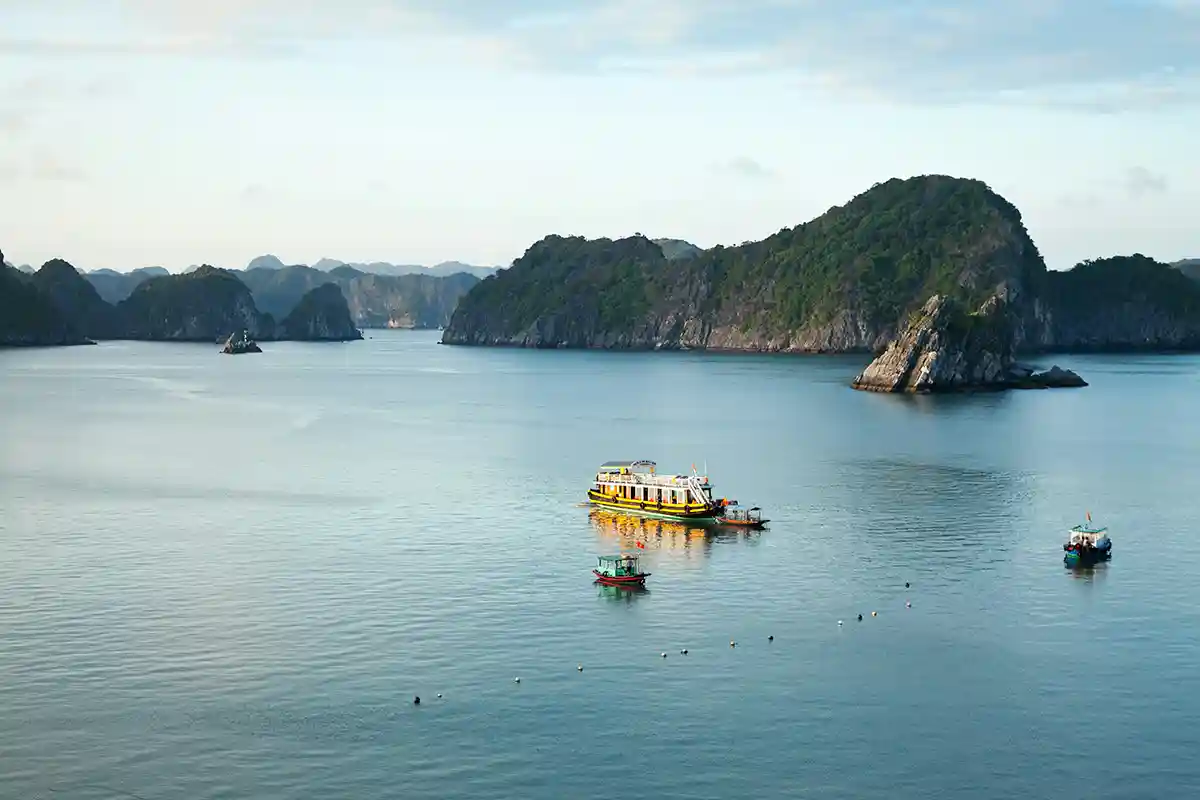
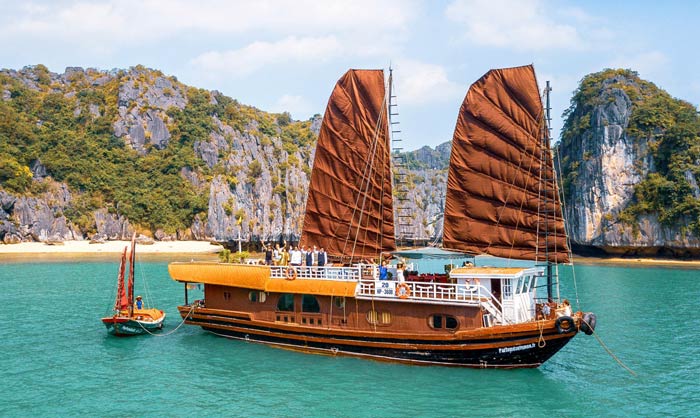
- Northern Vietnam: Clear skies and mild spring temperatures, ideal for exploring Hanoi or cruising through Ha Long Bay. Still, bring a light sweater for the evenings.
- Central Vietnam: Sunshine reaches its peak here. Perfect for relaxing on the beaches of Hoi An between temple visits. The sun can be intense — sunscreen is a must!
- Southern Vietnam: Dry heat and low humidity levels. Relaxation lovers will enjoy Ho Chi Minh City before the monsoon arrives. An umbrella? Useless… or almost.
It’s hard to find a better time to experience the contrasts of the country in a single trip!
In the north (Hanoi, Sapa, Ha Long Bay), April brings pleasant daytime warmth (around 27°C on average), but keep a light jacket for Sapa nights, when temperatures can drop. This spring-like climate is ideal for hiking and cultural visits. A quick note: our detailed tips on Northern Vietnam’s weather will help you avoid any unpleasant surprises.
Below is a short summary table of April weather by region.
| Comparative weather data by region in April | ||
| Region | Average Temperature | Average rainfall (mm) |
| North (Hanoi) | 28°C (Max: 31°C, Min: 24°C) | 78 mm (environ 15 jours de pluie) |
| North (Sapa) | Variable (12°C–23°C, can drop to 5°C) | 142 mm (around 9 rainy days) |
| Centre (Da Nang, Hue) | Not specified (dry and mild weather) | Low (it is preferable to wait until February to avoid rain) |
| South (Ho Chi Minh-Ville) | 26°C (annual average) | Almost none (dry season) |
| Note: The data are averages and may vary from one year to another. | ||
Our recommendations for traveling to Vietnam in april
Top destinations
Vietnam as a whole is highly recommended at this time of year, and travelers clearly agree—April is the busiest tourist month of the year. While Northern Vietnam can still be somewhat cloudy, the central and southern regions enjoy plenty of sunshine and, let’s be honest, intense heat.
Here are our favorite destinations for a trip to Vietnam in April, well suited to the climate conditions:
- Hanoi: Enjoy mild spring temperatures while exploring the capital.
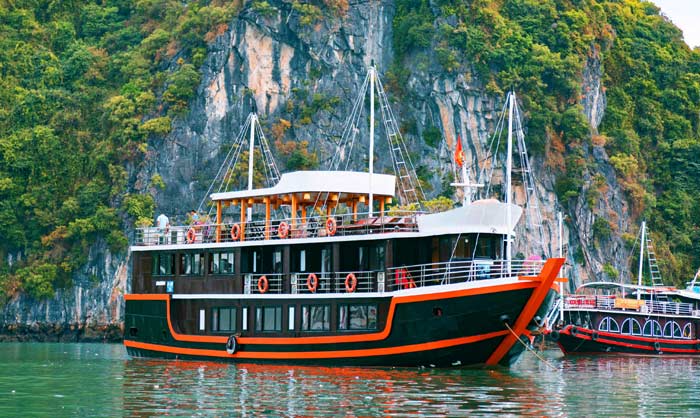
- Halong Bay: Humidity is lower than in summer, and the weather is generally clear.
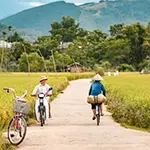
- Pu Luong: A stunning nature reserve in Northern Vietnam, known for its two rice harvests each year.
- Hoi An: The old town truly shines. Note that rainfall is about half as frequent as in October—but it will be hot, very hot.
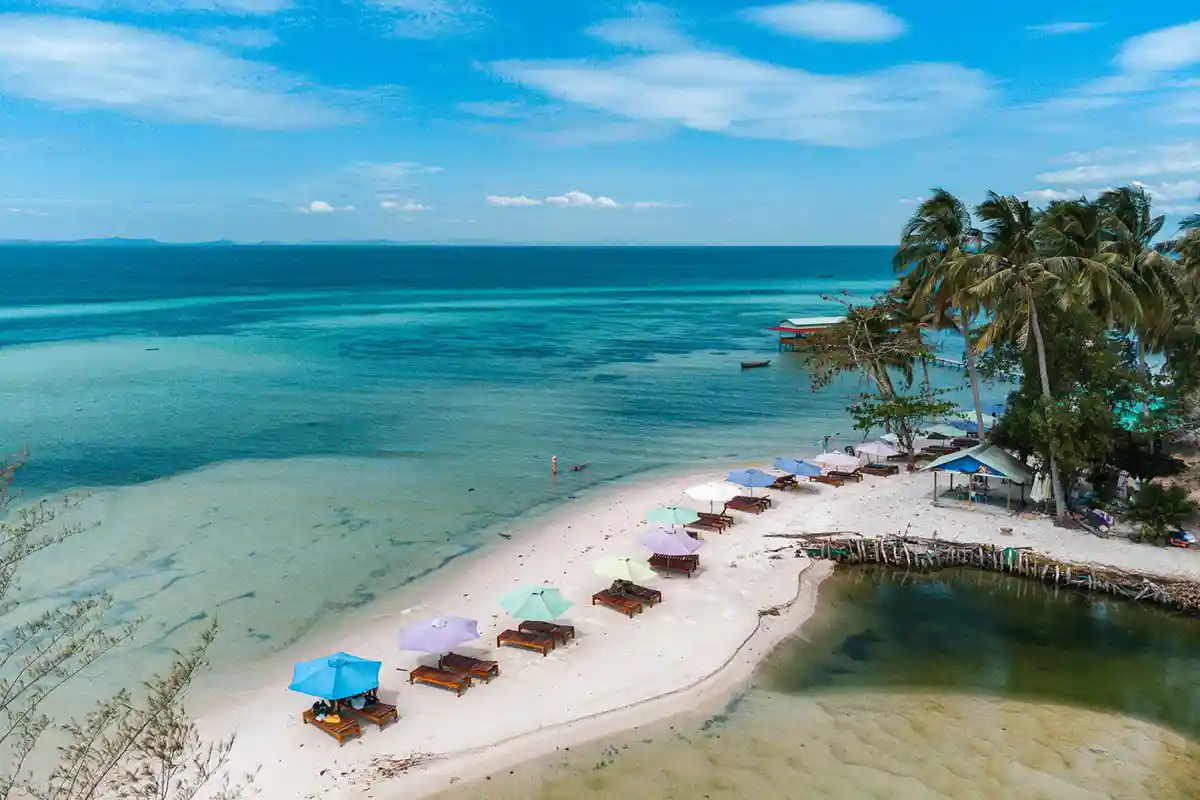
- Nha Trang: Paradise beaches. The central region avoids the extreme heat found in the south during this period.
- Mekong Delta: Less rain than in summer, making it ideal for cruising the canals. Be mindful that humidity remains high.
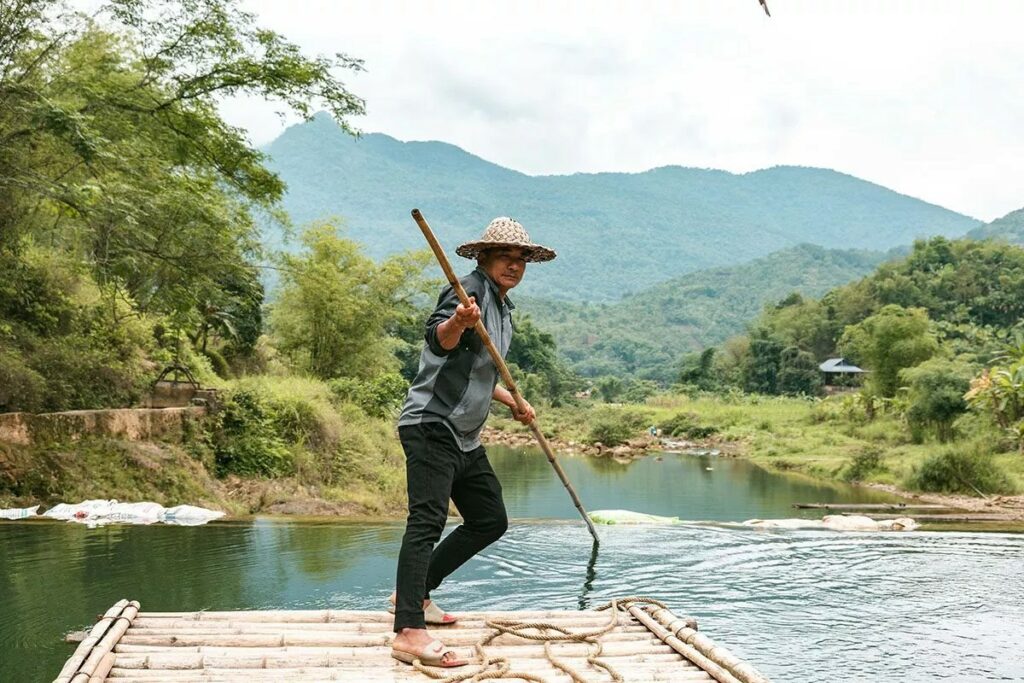
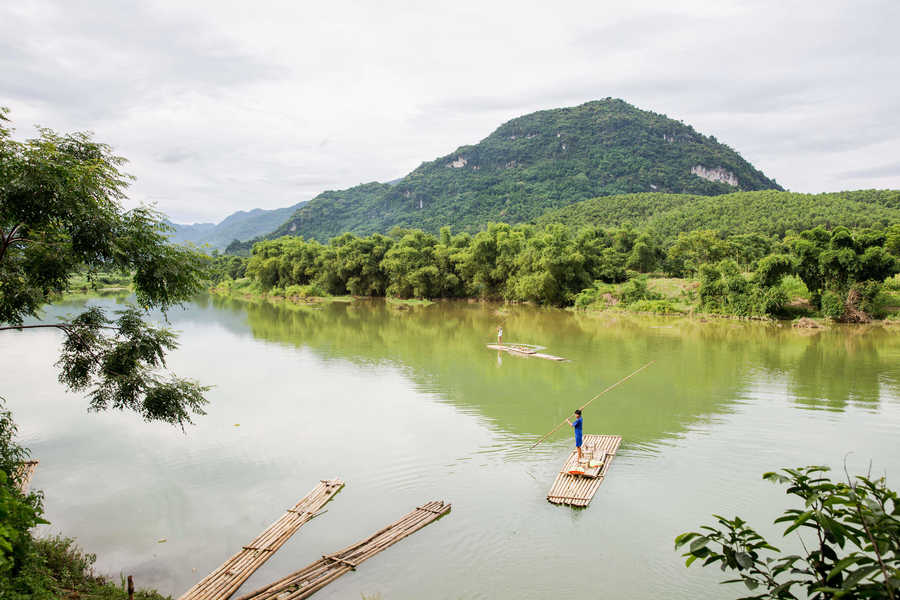
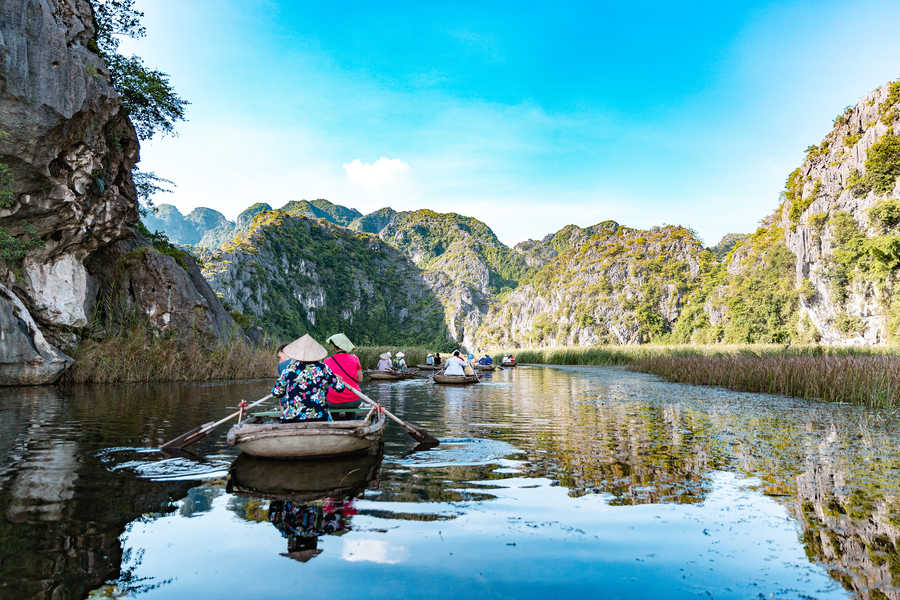
Sampan ride on the Ma River, Pu Luong
Packing tips
For April in Vietnam, forget thick sweaters. Instead, choose breathable fabrics (linen, light cotton) that dry quickly. In the north, a light windbreaker will be enough for cooler evenings. In the central region, make sure to bring proper sun protection against the intense sunshine.
One small detail that makes a big difference: smart packing. Alternate between modest outfits for temples and casual clothes for the beach. And don’t forget your reusable water bottle—staying hydrated is crucial in these temperatures.
Activities depending on the weather
In case of extreme heat
When the thermometer rises during your trip to Vietnam in April, it’s best to focus on activities sheltered from the sun. In both the north and the center, air-conditioned museums and shaded cafés are lifesavers—just like the locals do. Good to know: in Hanoi, average temperatures often exceed 30°C at this time of year.
Here’s a schedule tested on the ground: visit early in the morning (pagodas or old quarters), enjoy a lunch break at a downtown restaurant, then spend the afternoon at the Ethnology Museum. Around 3 p.m., when humidity becomes stifling, nothing beats an iced Vietnamese coffee under a veranda. Note that the beaches of Halong Bay remain pleasant in the late afternoon, thanks to the sea breeze.
When the rain shows up
April is usually dry, but some regions such as the northwest or central Vietnam may experience sudden showers. No need to worry! Vietnam offers plenty of great backup options: lacquer workshops in Hanoi, covered markets in Hue, or even the spectacular caves of Phong Nha.
From experience, rainy days are perfect for discovering local cuisine. Did you know that the recipe for pho subtly changes between the north and the center of the country? A delicious way to understand Vietnam’s climatic and cultural nuances. In short, even when it rains, the Vietnamese adventure goes on—with an umbrella and a good dose of adaptability
April compared to other months: which one to choose?
Choosing the best month to visit Vietnam can often feel like a real puzzle. April stands out as a particularly attractive period, thanks to fairly consistent weather conditions across the country. It is also the season when spring gently gives way to summer—a perfect in-between to avoid weather extremes. To give you an idea, average temperatures range from around 25°C in the north to 32°C in the south. If you are planning a tailor-made trip, our detailed guide on when to travel to Vietnam will help you understand the specifics of each season by region.
Below is a small comparison table between March, April, and May
| Climatic advantages and disadvantages by tourist season in Vietnam | ||
| Month | Avantages | Disavantages |
| March | Dry heat in the south, perfect for the beaches of Phu Quoc | Possible heat peaks (up to 35°C) in central Vietnam |
| April | Generous sunshine in Hanoi and Halong Bay | Cool nights still lingering in the northern mountains |
| May | Last dry weeks before the monsoon in central Vietnam | Significant increase in humidity in the Mekong Delta |
Between March and April, the balance often tips in favor of April. Why? Quite simply because rainfall remains limited in the north while the south enjoys optimal sunshine. If you are still hesitating, our detailed analysis of the weather in March will help you make the right choice.
Impact on travel costs in Vietnam in April
In April, Vietnam enters the peak tourist season — a reality that directly affects your budget. Hotels and transportation prices rise, especially in popular areas such as the north with Halong Bay or the central region with its fine sandy beaches. This is why planning a trip during this period requires close attention to price fluctuations.
Good to know: to travel to Vietnam in April without breaking the bank, it can be wise to avoid Hanoi or Ho Chi Minh City at peak times. Opt instead for local guesthouses off the main tourist routes — some villages in the north offer authentic experiences at very reasonable prices. Also remember to book your transport well in advance. If your schedule allows, consider traveling outside the peak holiday dates. But if April is your only option, systematically compare accommodation prices between central and northern Vietnam to find the best deals.
Cultural calendar in Vietnam in april
In April, Vietnam comes alive with traditional festivals. Take the Hung Kings’ Commemoration Day, celebrated on the 10th day of the 3rd lunar month: this national public holiday draws Vietnamese people back to their historical roots every year. But how do you balance weather and sightseeing? At this time of year, the North and Central regions enjoy ideal temperatures for exploring Hanoi between a few spring showers.
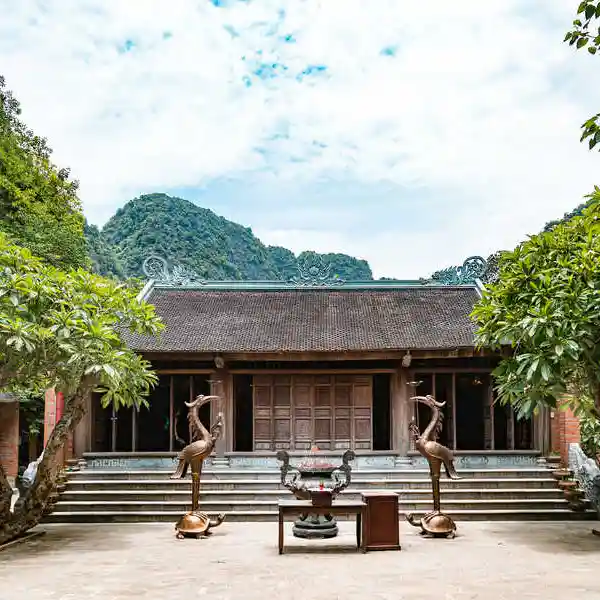
It’s also worth noting that late April public holidays create a real buzz across the country. Halong Bay’s beaches and major cultural sites experience a sharp rise in visitor numbers. A friendly tip: book accommodation and transport several weeks in advance, especially if you are targeting popular destinations like the Ninh Binh region. Rainfall remains moderate in the North during this period, unlike in the Central region, where humidity begins to increase.
So, are you ready to plan your trip to Vietnam in April? Let’s be honest: an ideal climate, unique festivities, and a bit of organization are all it takes to create unforgettable memories. Vietnam is waiting for you, bathed in that April sunshine that makes colors shine brighter than ever. So, why hesitate?
FAQ
Which vaccines are recommended for traveling to Vietnam in April?
For a trip to Vietnam in April, make sure that your routine vaccinations are up to date. The Institut Pasteur recommends updating standard vaccinations, particularly hepatitis A, which should be administered at least 15 days before departure. You should also consider rabies, especially if you plan to stay in remote rural areas.
Other vaccines may be recommended depending on your travel conditions, such as those against typhoid fever and viral hepatitis A and B. Do not forget to check that mandatory vaccines like DTP (diphtheria–tetanus–polio) and MMR (measles–mumps–rubella) are up to date. There is no mandatory vaccine for Vietnam, except yellow fever if you are arriving from a high-risk area.
Are there air pollution risks in April?
Yes, unfortunately, there are air pollution risks in Vietnam, even in April. Major cities such as Hanoi and Ho Chi Minh City are particularly affected. You can monitor air quality in real time using platforms like IQAir and AQICN, which provide Air Quality Index (AQI) data and fine particle measurements.
Studies have shown that biomass burning in northwestern Vietnam and Laos can impact air quality in Hanoi during March and April. Although the government is taking action, pollution remains a concern, with high levels of fine particulate matter.
What is the average cost of meals in Vietnam in April?
The average cost of meals in Vietnam varies depending on the type of establishment. For street food or meals at local markets, expect to pay between €1 and €5. In local restaurants, traditional Vietnamese dishes usually cost between €1.50 and €4 per meal — still excellent value for money.
For a daily food budget, plan on €15 to €20 per person for lunch, dinner, and drinks. This allows you to enjoy a wide range of local specialties without overspending. On average, a restaurant meal costs around €1.83, though prices vary by city.
How can you travel easily between cities?
To travel easily between cities in Vietnam, you have several options. Flying is the fastest solution, with international airports in major cities. The train is a scenic alternative, especially if you choose soft seats or soft sleeper options for added comfort.
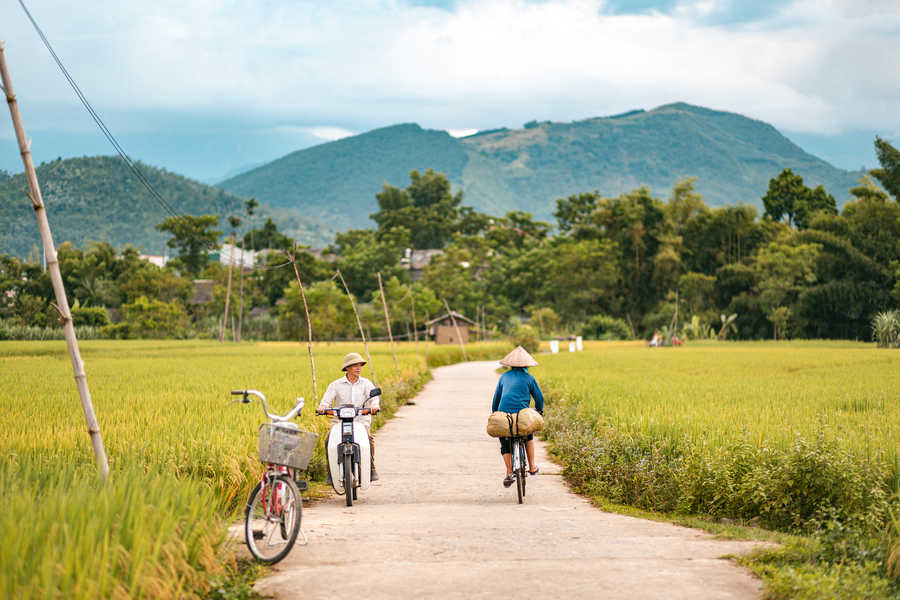
The bus is the most commonly used mode of transport, particularly among locals, as it is affordable and widely available. Within cities, motorbikes and bicycles are very popular, and motorbike taxis (xe ôm) are easy to find and inexpensive. Hanoi and Ho Chi Minh City are developing tram and metro systems, but for now, buses remain the most practical option.
Which local dishes should you absolutely try?
Vietnamese cuisine is a true delight, with flavors that vary from north to south. You simply cannot miss Phở, the iconic Vietnamese noodle soup available everywhere, at any time of day. Be sure to try Bún chả, a Hanoi specialty featuring grilled pork patties served with a sweet-and-sour dipping sauce.
Also, don’t miss Bánh mì, the famous Vietnamese sandwich, and Gỏi cuốn (fresh spring rolls) for a light and refreshing option. Each region has its own specialties, so feel free to explore local flavors. Vietnamese cuisine is all about fresh ingredients and perfectly balanced flavors.
How do you obtain a visa for Vietnam?
There are several ways to obtain a visa for Vietnam. If you are a French or Swiss citizen, you may benefit from visa-free entry for up to 45 days. For longer stays, you can apply for an e-visa online, valid for up to 90 days with multiple entries.
It is also possible to obtain a visa on arrival at international airports, but this requires a pre-approval letter. Alternatively, you can apply for a visa through the Vietnamese embassy in your country. Make sure your passport is valid for at least six months after your planned entry date into Vietnam.