











The weather in Vietnam in July presents a contrasting picture that can easily confuse travelers. In the north, the rainy season is in full swing, with generous showers that turn the terraced rice fields into vivid green landscapes, while central Vietnam enjoys a dry, sunny climate, ideal for beach time. In the south, rainfall is frequent but usually short-lived, alternating with periods of intense heat typical of a tropical climate. With more than 20 years of on-the-ground experience, we have learned that July offers real advantages for those who know how to adapt their itinerary to the specific weather patterns of each region of Vietnam.
What is the general climate in Vietnam in July?
Vietnam in July features a contrasting climate, with heavy rains in some regions and dry heat in others.
Overview of weather conditions
Vietnam in July features a contrasting climate, with temperatures ranging between 27 and 31°C, depending on the region. The summer monsoon strongly influences this period, bringing high humidity and variable rainfall. Based on our 20 years of experience, we can confidently say that despite these conditions, July remains a great time to explore the country’s lush and vibrant landscapes.
Vietnam’s long, narrow shape stretching over 1,600 km explains the marked climatic variations between regions. North of the Hai Van Pass (near Da Nang), seasons are more clearly defined, with a real winter from December to March. South of this natural divide, the climate simply alternates between dry and rainy seasons. The monsoon affects each region differently: the northeastern mountains are more exposed to flooding, while the northwest is relatively sheltered thanks to its mountainous terrain. This climatic diversity makes it possible to design well-adapted itineraries and enjoy the best of Vietnam in July.
The climate in Vietnam in July is shaped by the monsoon, but for a broader overview of the best times to travel, we recommend consulting our guide When to Visit Vietnam? Weather by Season. Humidity levels often reach 80–90% in several regions, particularly in the north and the south. Rainfall is heavier along the southern coast, with short but intense showers that usually occur in the late afternoon.
Temperatures and rainfall by region
Temperatures vary significantly by region in July. In the north, they can reach 38–39°C in Hanoi, while in Sapa, located at an altitude of 1,600 meters, average temperatures drop to around 15°C. In central Vietnam, Da Nang experiences daytime highs of up to 35°C.
In recent years, we have observed an intensification of extreme weather events during the rainy season. Heat records are being broken more frequently, particularly in central Vietnam, where temperatures can exceed 37°C. At the same time, rainfall levels in the north and south can reach exceptional levels, sometimes causing sudden flooding. Thanks to our on-the-ground experience, we are able to guide travelers toward areas less exposed to these climatic risks.
Climate change is gradually altering weather patterns in Vietnam. We are seeing a rainy season that is more intense but sometimes shorter, while dry periods tend to last longer. Rainfall has become less predictable, yet often more violent when it does occur. This evolution directly influences our travel recommendations for itineraries in July.
Rainy season and its characteristics
The rainy season in Vietnam is marked by showers that are generally short but intense, mainly affecting the north and the south of the country. Contrary to popular belief, it does not rain continuously. Rainfall most often occurs in the late afternoon, leaving mornings relatively pleasant for sightseeing. In the mountainous regions of the north, rain can be more persistent and may be accompanied by impressive thunderstorms.
This season varies in intensity from one region to another. In the north, rainfall enhances the spectacular beauty of terraced rice fields, while in the south it nourishes the Mekong Delta. Many of our clients particularly appreciate this time of year for its lush green landscapes and the refreshed atmosphere it brings. Rain also creates unexpected moments of beauty, such as clouds clinging to the mountains of Sapa or reflections shimmering on Hanoi’s rain-soaked streets. Traveling during the wet season offers practical advantages as well: fewer crowds at major sites, more competitive accommodation prices, and abundant vegetation that completely transforms Vietnam’s scenery.
Impact of weather on the travel experience
July weather conditions have a significant impact on your travel experience in Vietnam. In the north, it is best to plan outdoor activities in the morning to avoid afternoon showers. In central Vietnam, make the most of sunny beaches, but avoid prolonged sun exposure between 11 a.m. and 3 p.m. In the south, alternate between indoor cultural visits and outdoor activities depending on weather forecasts.
July weather directly affects daily travel logistics. Heavy rain in the north and south can slow down transportation, especially on mountain roads. We recommend allowing extra travel time and maintaining flexibility in your itinerary. Accommodation choice also deserves attention: opt for hotels with pleasant covered areas to enjoy during rainy moments. When sightseeing, always carry a small waterproof bag to protect documents and electronic devices. Our experience has shown that tropical downpours can surprise even the most well-prepared travelers.
To fully enjoy your trip to Vietnam in July, it is essential to pack appropriately. Here is a list of key items to cope with the varied climatic conditions you may encounter:
- Lightweight Waterproof Clothing: Choose waterproof, lightweight, and breathable clothing to stay dry without overheating. Hooded rain jackets and waterproof trousers are ideal.
- Suitable Footwear: Opt for shoes designed for slippery terrain, especially if you plan to visit northern Vietnam and its rice terraces. Waterproof hiking shoes or lightweight rain boots are recommended.
- Effective Sun Protection: Even on cloudy days, sun protection is essential. Bring high-SPF sunscreen, a hat or cap, and sunglasses to protect yourself from strong sunlight, particularly in central Vietnam.
- Practical Accessories: Protect electronic devices from moisture with waterproof bags or protective cases. Also remember to pack mosquito repellent, as insects are more common during the rainy season.
July coincides with school holidays in many Western countries, which increases visitor numbers in certain destinations, particularly the central coast beaches. Travelers are drawn by pleasant temperatures and abundant sunshine in this region. In contrast, the north and the south experience more moderate tourist flows due to rainfall, creating contrasting travel experiences. This uneven distribution of visitors can be an advantage for those seeking to discover a more authentic and less crowded Vietnam.
What is the weather like in Northern Vietnam in July?
In July, Northern Vietnam experiences hot and humid weather, with daily rains that nourish the lush rice terraces.
Weather conditions in northern Vietnam
The climate in northern Vietnam in July is characterized by temperatures ranging between 27 and 32°C, with high humidity that intensifies the feeling of heat. The summer monsoon is in full swing, bringing daily rainfall, especially in the late afternoon. In mountainous areas such as Sapa, temperatures are milder, averaging around 15°C, although rainfall there can sometimes be heavier than in the lowlands.
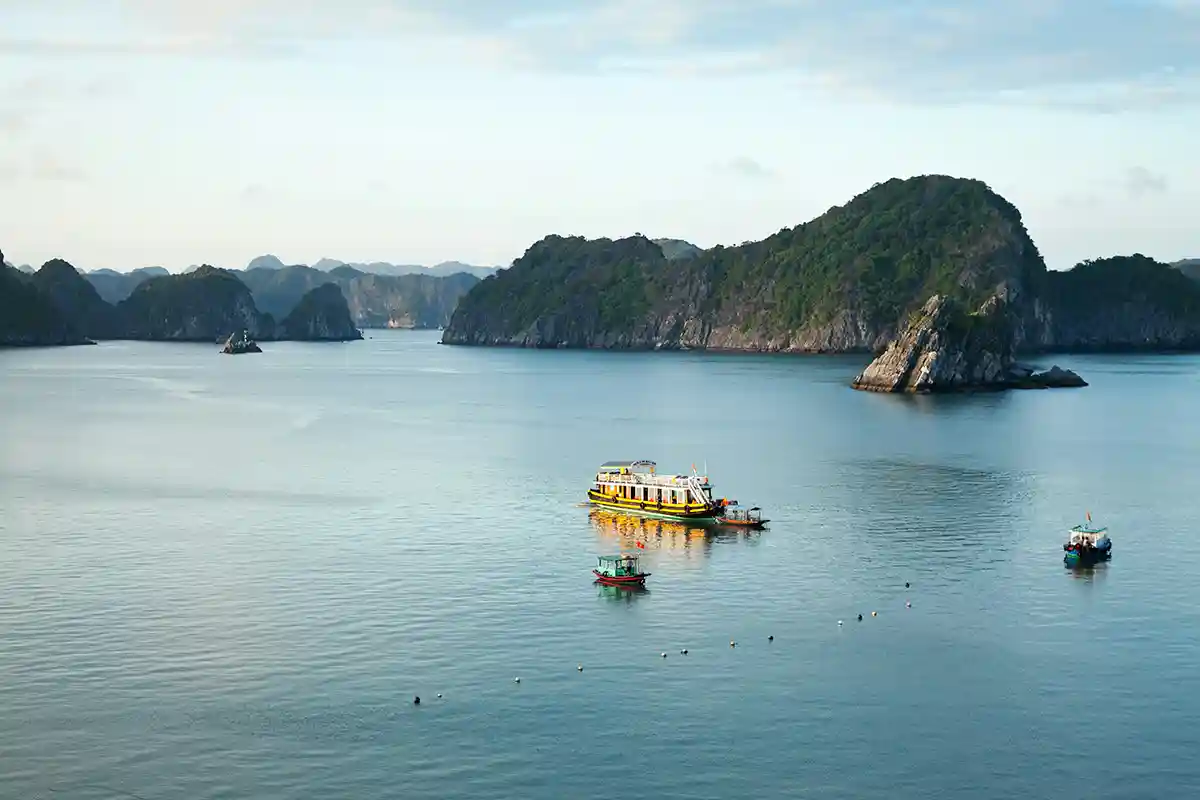
Rainfall in northern Vietnam in July follows a fairly predictable pattern. In Hanoi and Ha Long Bay, mornings are generally sunny, with the sky gradually clouding over. Showers typically occur between 4 p.m. and 8 p.m., often in the form of short but intense tropical downpours. Humidity levels hover around 85%, creating a sometimes stifling atmosphere between rainfalls. The mountainous relief of the northwest is somewhat more sheltered from the monsoon, enjoying a more temperate climate that appeals to travelers seeking cooler conditions. These geographical factors explain the climatic variations that often surprise our clients on their first trip.
Terraced rice fields: A lush green spectacle
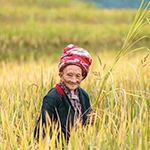
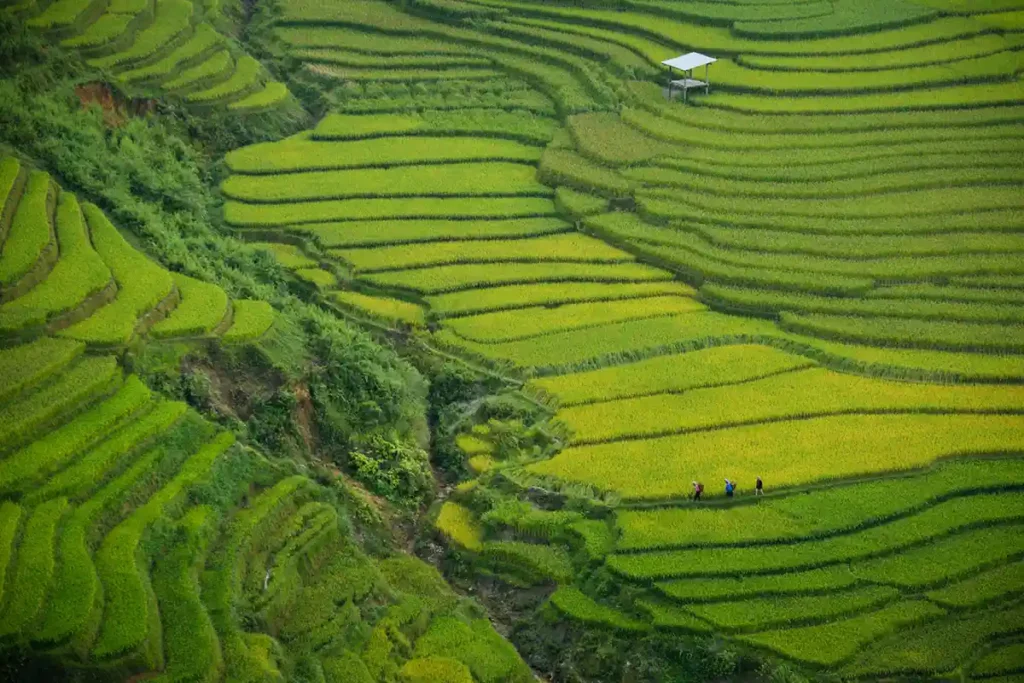
The terraced rice fields of northern Vietnam reach their peak beauty in July. The monsoon transforms the landscapes of Sapa, Mu Cang Chai, and Ha Giang into living masterpieces, glowing with vibrant shades of green. It is precisely the abundance of rainfall that creates this natural splendor, perfectly irrigating the stepped fields that gracefully contour the mountain slopes. For photographers, this period is ideal despite the challenges posed by unpredictable weather.
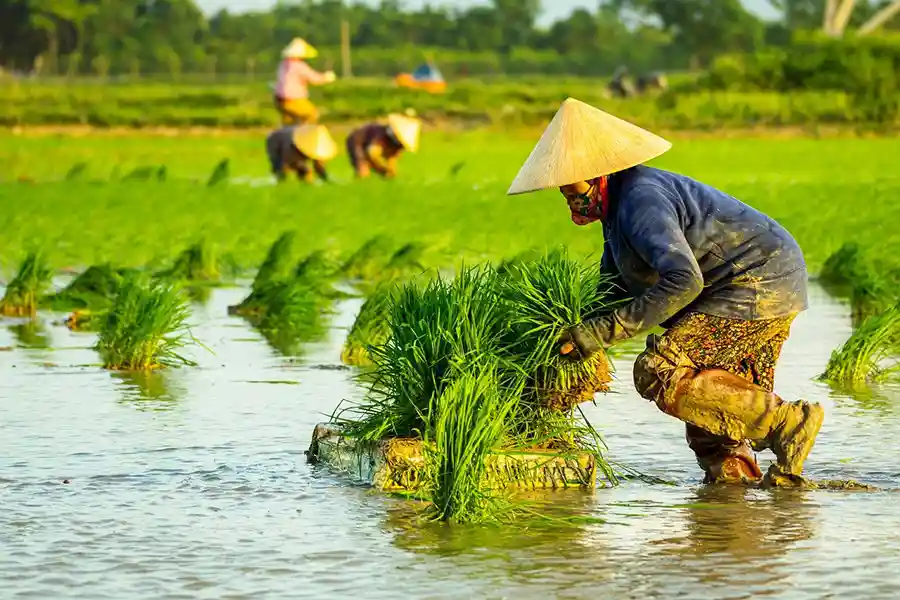
The rice-growing cycle in the north follows a well-defined calendar that we know intimately after two decades of organizing trips in the region. From late April to late May, the fields are flooded, forming vast mirrors that reflect the sky. From mid-June to late July, the transplanted rice grows vigorously, revealing an extraordinary palette of greens. From mid-August, the crops begin to turn golden ahead of the harvest in late September. The Hmong, Dao, La Chi, and Nung ethnic groups perpetuate these ancestral techniques, carefully building dikes that retain water between the plots. This ingenious system works perfectly during the rainy season, turning climatic constraints into a striking landscape asset.
We particularly recommend itineraries between Ha Giang and Sapa to admire these agricultural wonders. Mountain slopes carpeted with terraced rice fields offer breathtaking panoramas, especially just after a rainfall when the light becomes softer. For more detailed information on regional conditions, see Weather in Northern Vietnam: Everything You Need to Know.
What is the weather like in Central Vietnam in July?
Unlike the rest of the country, Central Vietnam enjoys dry, sunny weather in July, shielded by its mountain ranges.
A climate unlike the rest of the country
Central Vietnam experiences a unique climatic phenomenon in July. While the north and south are in the rainy season, this region enjoys dry, sunny weather. This difference is explained by its geographical position, protected by mountain ranges that act as a natural barrier against the summer monsoon. Our travelers particularly appreciate this advantage, as it allows beaches to be easily included in their itinerary during this period.
Seaside resorts such as Da Nang, Hoi An, Hue, and Nha Trang offer ideal conditions in July, with abundant sunshine and average temperatures ranging from 26°C to 35°C. In Da Nang, highs can reach 37°C, making early mornings perfect for beach activities. Clear water and blue skies create a paradise-like setting for swimming and water sports. However, we always advise our clients to remain cautious of occasional storms, which can occur even during this generally dry season.
Recommended beaches and activities
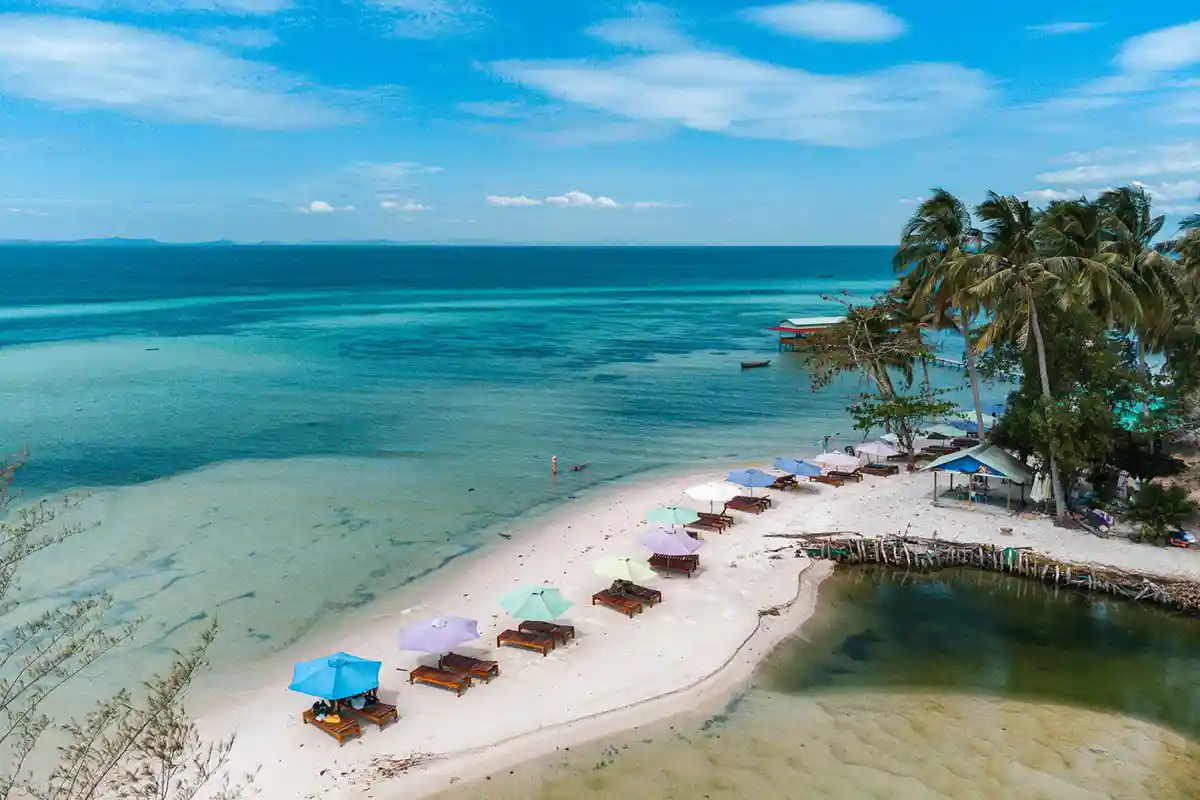
The central Vietnamese coastline reveals its finest side in July. White-sand beaches stretch as far as the eye can see, bordered by turquoise waters ideal for swimming and water-based activities such as scuba diving, kayaking, and paddleboarding.
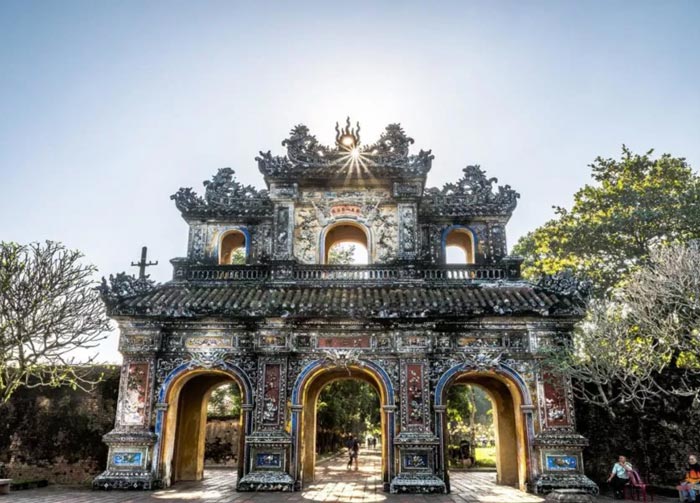
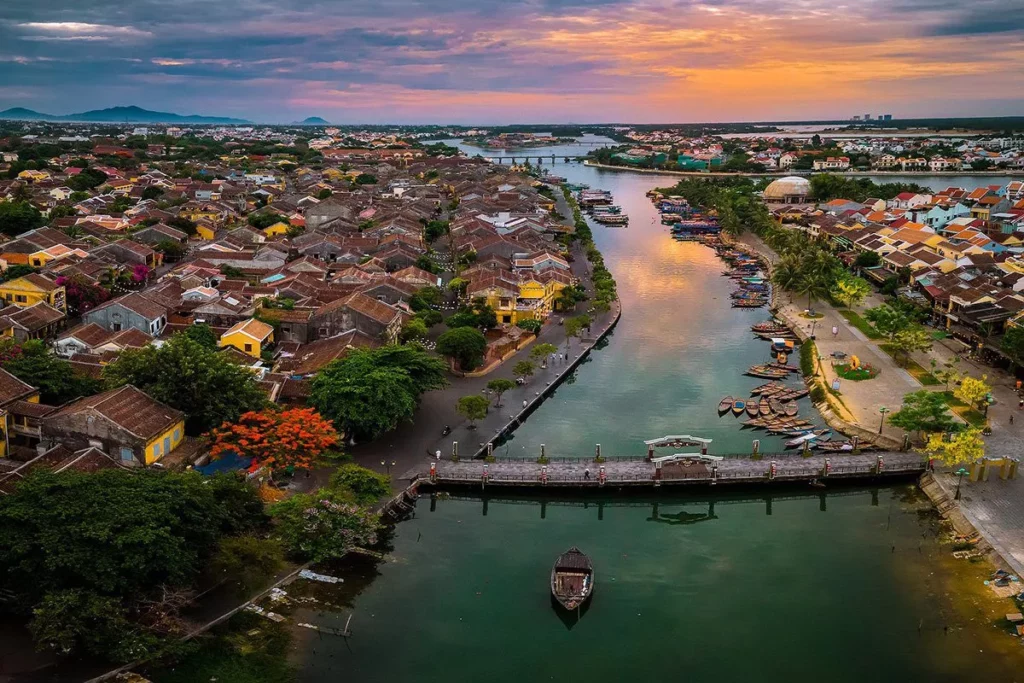
The benefits of this dry climate also extend to exploring the region’s cultural sites. The My Son Sanctuary, the Imperial City of Hue, and the ancient town of Hoi An can be visited under optimal conditions. We recommend scheduling visits early in the morning or late in the afternoon to avoid the hottest hours of the day. Evenings are especially pleasant for strolling through Hoi An’s narrow streets, when the town lights up with thousands of colorful lanterns and temperatures become milder, offering an authentic and romantic experience.
To cope with the July heat in central Vietnam, proper hydration is essential. Plan to drink at least two liters of water per day and opt for light cotton or linen clothing. A wide-brimmed hat and sunglasses are essential accessories during excursions.
Main cities and their specific weather
Da Nang, Hoi An, Hue, and Nha Trang each have their own climatic characteristics in July. Da Nang and Nha Trang enjoy the sunniest conditions, with around 8 hours of sunshine per day and maximum temperatures close to 35°C. Hue experiences slightly more humidity, with a few possible showers. In all these cities, nights remain warm, with temperatures rarely dropping below 25°C, allowing travelers to fully enjoy evenings outdoors.
The summer atmosphere in central Vietnamese cities is particularly lively in July. Waterfront areas come alive as the sun begins to set, creating a vibrant and colorful scene. Locals adapt their daily rhythm to the heat, often taking a long siesta between 12 p.m. and 3 p.m., when many shops close. Restaurants and boutiques usually stay open late in the evening to make up for it. Numerous festivals also enliven the region at this time of year, such as the Hue Festival, which celebrates the cultural heritage of the former imperial capital with traditional music performances and historical reenactments. In Hoi An, the Lantern Festival, held on the full moon, transforms the town into a sea of glowing lights floating through the streets and along the river.
What is the weather like in Southern Vietnam in July?
In Southern Vietnam, July brings intense but short-lived tropical showers, followed by long sunny spells.
Characteristics of summer rainfall
Southern Vietnam in July is characterized by a typically tropical rainfall pattern. Showers are intense but usually brief, giving way to warm, sunny spells. Our years of expertise have taught us that these rains often follow a predictable pattern, occurring mainly in the late afternoon, which makes it possible to plan activities accordingly.
The southwest monsoon has a strong influence on the region’s climate in July. In Ho Chi Minh City, rainfall is significant but does not yet reach its annual peak, which generally occurs in August and September. With temperatures ranging between 24°C and 33°C, the south combines heat and humidity. Although this period is rainy, it remains relatively pleasant for travelers, as the downpours, despite their intensity, are often interspersed with sunny intervals, allowing for a comfortable travel experience for those who adapt to the local rhythm.
Ho Chi Minh city and the Mekong delta in July
Ho Chi Minh City in July reveals a unique atmosphere that we love to share with our travelers. After the showers, the glistening streets reflect the city’s colorful neon lights, creating a striking visual spectacle. Locals adapt their daily lives to the rhythm of the rain, turning constraints into opportunities with a distinctively Vietnamese flexibility.
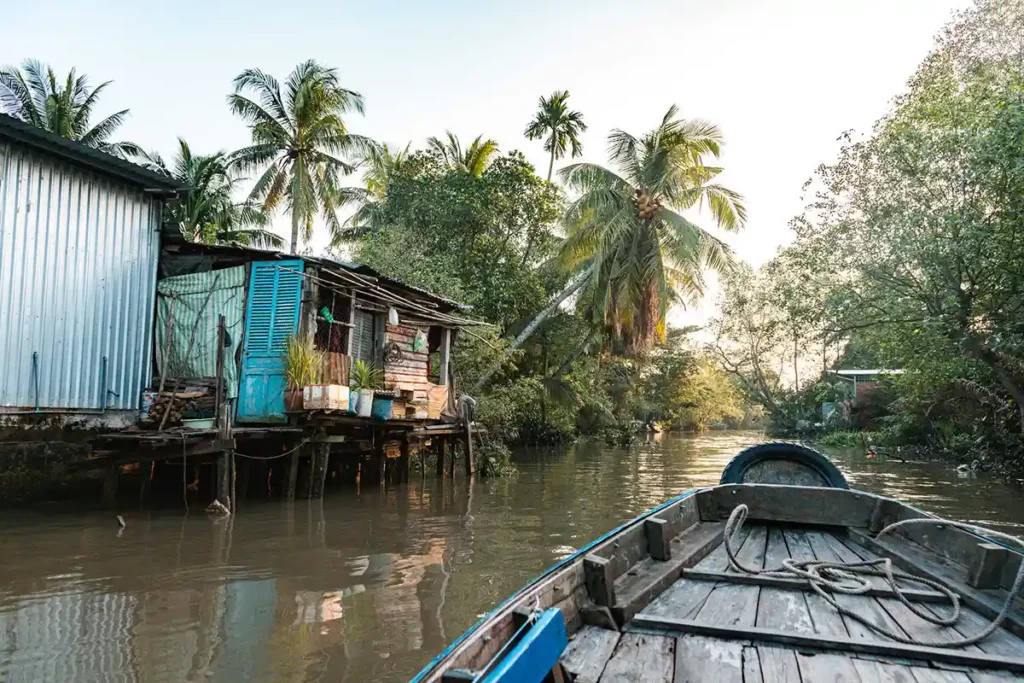
In the Mekong Delta, July marks the beginning of a spectacular transformation of the landscape. The gradual rise in water levels enhances local biodiversity and energizes agricultural and river-based activities. For travelers, this is an ideal time to observe the region’s unique ecosystem. Boat excursions through the canals lead to floating markets that are livelier than during the dry season. Traditional farming techniques, refined over centuries to adapt to this natural cycle, reveal their ingenuity and offer an authentic glimpse into rural Vietnamese life.
To explore the delta in July, we recommend traditional flat-bottomed boats, perfectly suited to canals that begin to widen as water levels rise. Be sure to bring a wide-brimmed hat and a light, packable rain poncho to cope with sudden showers.
Destinations to prioritize and those to avoid
In July, we particularly recommend the beaches of central Vietnam and the terraced rice fields of the north, which are at their most beautiful thanks to the rainy season.
Vietnam in July offers a wide range of experiences, but some destinations stand out more than others. Here is a selection of 10 must-see destinations to make the most of your trip:
- Sapa: Admire the lush green terraced rice fields at their peak.
- Hanoi: Explore the capital and soak up its historical charm.
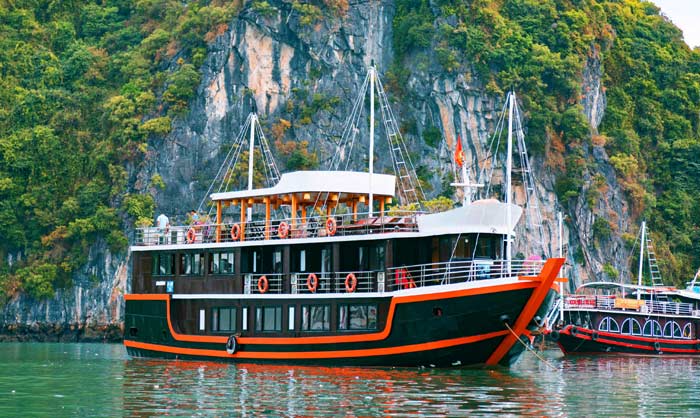
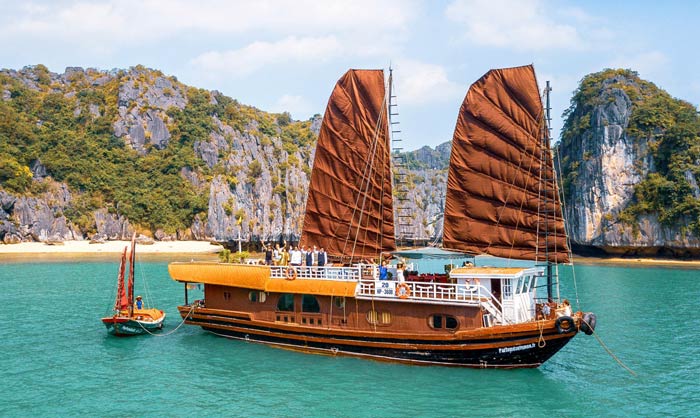
- Halong bay: Cruise through breathtaking seascapes.
- Da Nang: Relax on sunny beaches and enjoy water sports.
- Hoi An: Stroll through this historic town and discover its unique architecture.
- Hue: Immerse yourself in imperial history by visiting the Imperial Citadel.
- Nha Trang: Dive into crystal-clear waters and explore vibrant marine life.
- Ho Chi Minh city: Discover the dynamic energy of this modern metropolis.
- Mékong delta: Explore canals and floating markets in this fertile region.
- Da Lat: Enjoy the cool mountain climate and rolling landscapes.
However, we advise against certain destinations in July. Islands such as Phu Quoc and Con Dao may be exposed to sudden storms. Intensive trekking routes in mountainous areas like Ha Giang also involve a higher risk of landslides during this period. For hiking enthusiasts, we instead suggest shorter excursions in Sapa or Mai Chau, accompanied by a local guide who knows the region thoroughly.
If you are determined to visit the destinations we do not recommend, we suggest adopting a few practical strategies. Book accommodations with flexible cancellation policies. Allow one or two extra days to compensate for potential weather-related delays. Check local weather forecasts daily and stay in close contact with experienced guides who can advise you based on real-time conditions.
With 20 years of experience in Vietnam, we can confidently say that July offers a contrasting yet authentic travel experience. The nourishing rains of the north transform terraced rice fields into living works of art, while central Vietnam reveals its sun-drenched beaches. Prepare your luggage with regional climate differences in mind and let Vietnam’s July weather become an ally rather than an obstacle. Whichever region you choose, stunning landscapes and the warm hospitality of the Vietnamese people will make your journey unforgettable.