North or South Vietnam: which region to choose for your trip?
August 14, 2026
North or South Vietnam: which region to choose for your trip?
Table des matières
Planning a trip to Vietnam but torn between the North and the South? It’s one of the most common questions among travelers discovering this country for the first time. And for good reason: Vietnam stretches over 1,500 kilometers, and the two regions have almost nothing in common — not the scenery, not the climate, not the atmosphere.
In this article, we’ll help you decide: North or South Vietnam, what should you choose based on your profile, your interests, and the length of your stay?
If you’re considering a tour of Vietnam, feel free to ask us for a tailor-made quote.
Quick overview: North and South Vietnam, two faces of the same country
Type
North Vietnam
South Vietnam
Atmosphere
Traditional, cultural
Urban, dynamic
Landscapes
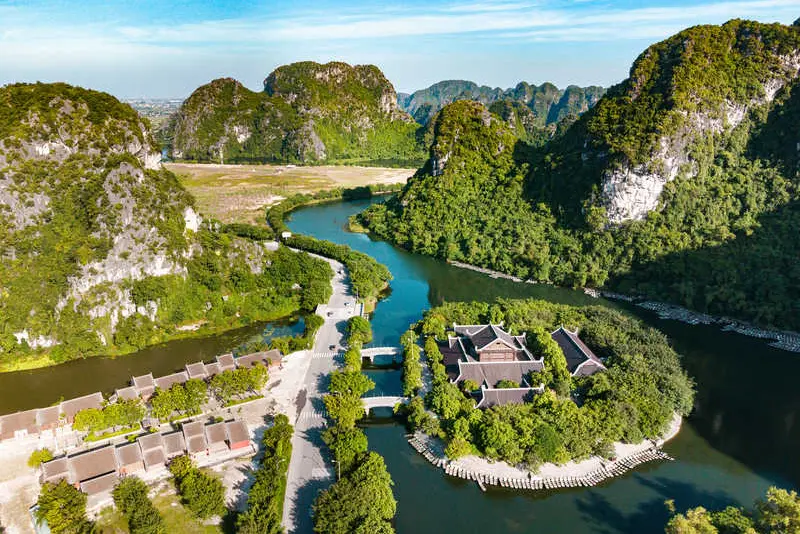
Mountains, karst, rice fields
Deltas, islands, highlands
Key cities
Hanoi, Sapa
Ho Chi Minh City, Da Lat
Climate
4 seasons
Tropical year-round
Best for
Trekking, culture, nature
Beaches, history, food
North Vietnam stands out for its traditional atmosphere, mountainous landscapes and cultural richness. The South, meanwhile, draws you in with its urban energy, dreamy islands and the ever-present history of the Vietnam War.
North Vietnam: spectacular scenery and cultural richness
Three destinations alone capture everything the North has to offer: Hanoi, Halong Bay and Sapa.
Hanoi, the historic capital
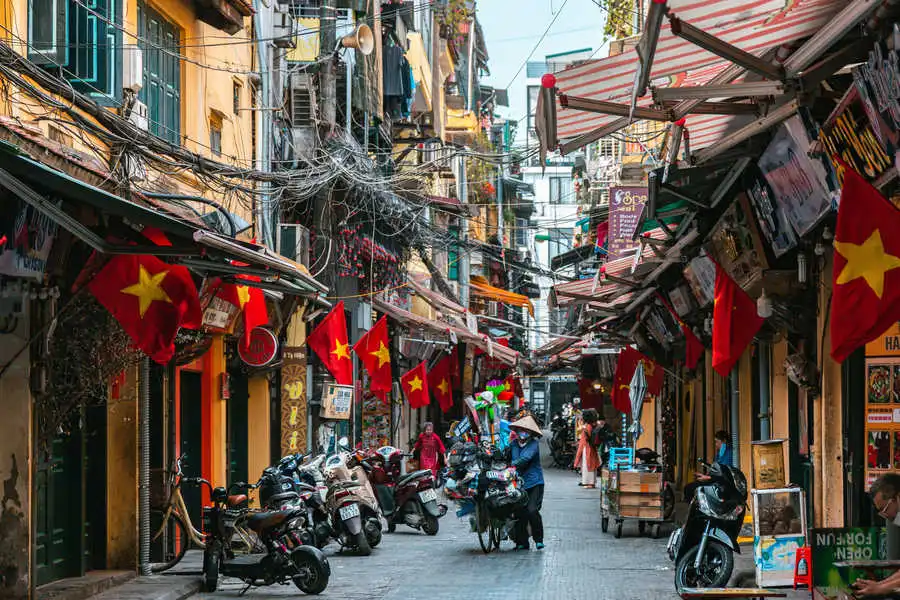
Hanoi is a city apart. As the country’s capital, it blends French colonial architecture, centuries-old pagodas and buzzing neighborhood life — all amid a swirl of scooters and street vendors.
The Old Quarter and its lively lanes
The Old Quarter is Hanoi’s historic heart. Its narrow streets — each once dedicated to a single trade — are packed with craft shops, small street food stalls and an authentic atmosphere that’s hard to find elsewhere. Set aside at least half a day to get lost in it.
Hoan Kiem Lake is the city’s green lung. Legend has it that a sacred turtle reclaimed King Le Loi’s magic sword there after his victory over the Ming invaders. The small temple in the middle of the lake — Ngoc Son — is worth a visit, as is the Temple of Literature, Vietnam’s first university site, steeped in serenity.
Water puppet shows and local cuisine
Don’t miss a water puppet show, a traditional Vietnamese art form where wooden figures come to life on a water stage. On the food side, Hanoi is known for the finesse of its cuisine: pho, bun cha, cha ca… Northern flavors are subtler and less spicy than in the South.
Halong Bay: a UNESCO-listed natural wonder
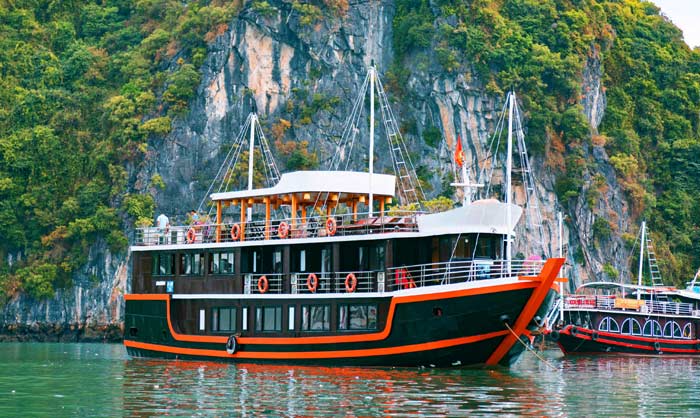
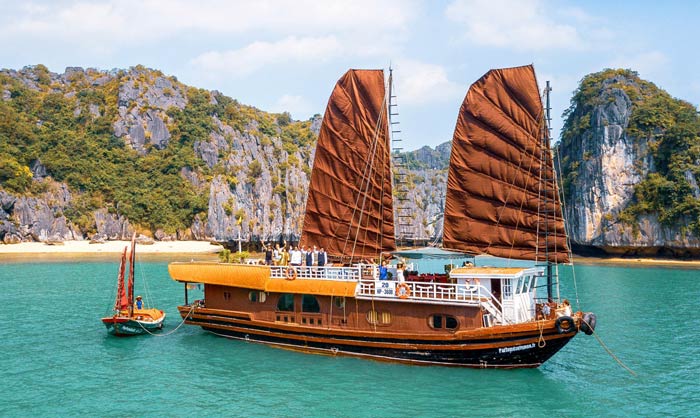
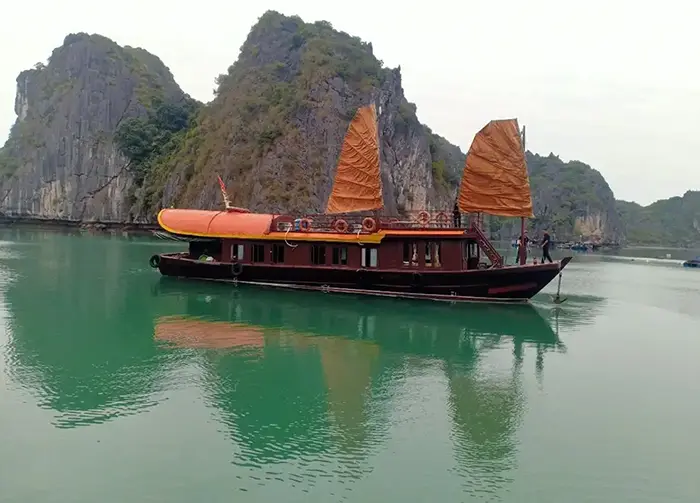
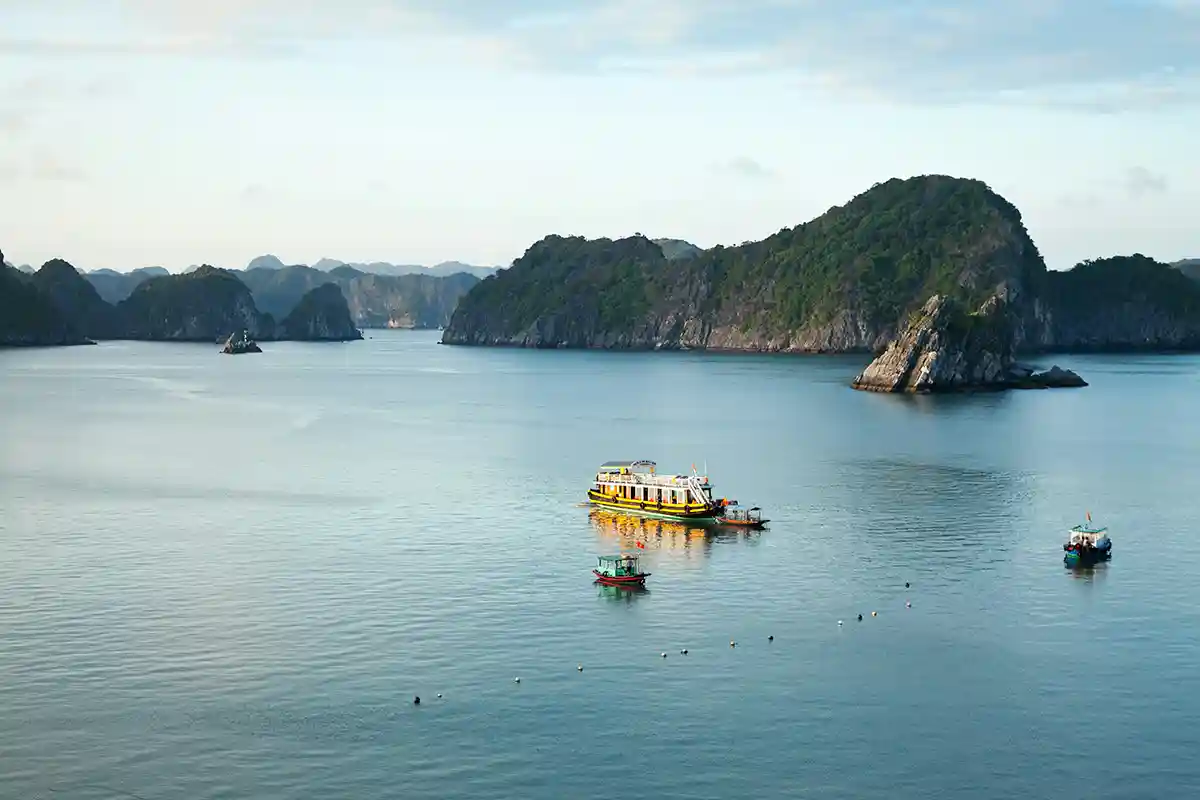
Halong Bay is probably Vietnam’s most iconic site — and one of the most beautiful in Asia. Its 1,600 karst islands and islets rising out of emerald waters form a fairy-tale landscape.
Cruises and karst formations
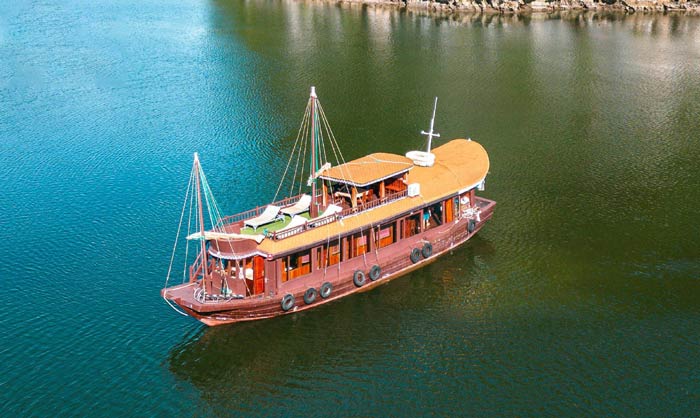
The best way to discover the bay remains a junk cruise, which lets you sail between the islands, explore hidden caves and admire the views at every turn. Choose a cruise of at least 1 night to really make the most of the place.
Kayaking, swimming and floating villages
Kayaking is ideal for venturing into spots the big boats can’t reach: natural arches, secret lagoons, sheer cliffs. Swimming in the clear water is also a simple but memorable pleasure.
Lan Ha Bay: a more authentic alternative
Less crowded than its neighbor, Lan Ha Bay offers a more unspoiled experience, with secluded beaches, floating fishing villages and Cat Ba Island as a base for exploring. It’s our recommendation for those who want to avoid the crowds.
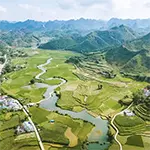
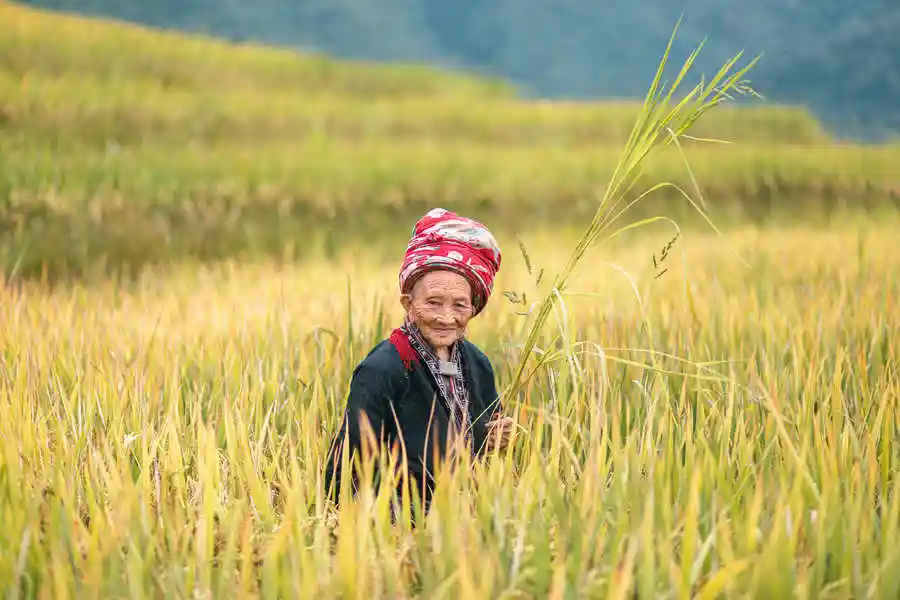
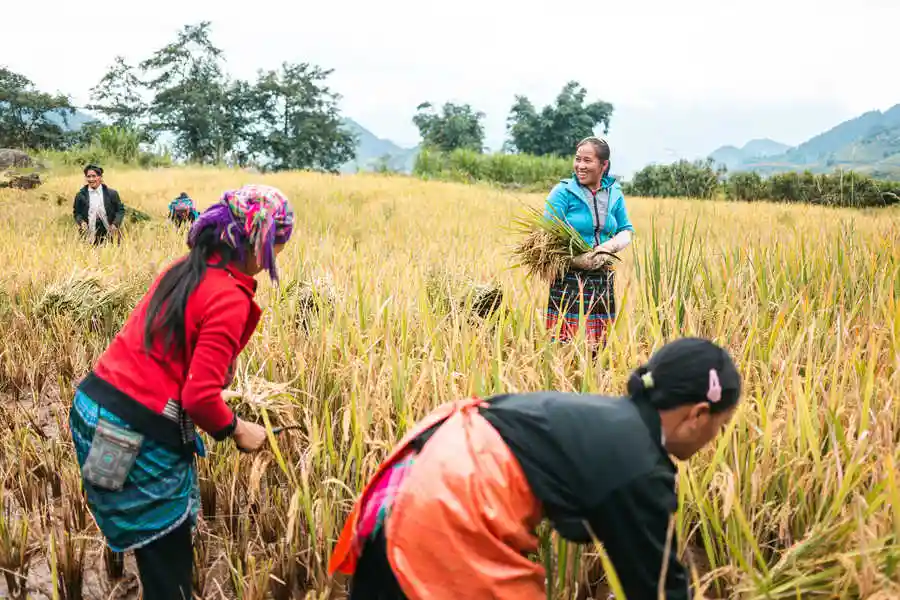
380 km northwest of Hanoi, Sapa is truly a different world. Here, the mountains are carved into dizzying terraced rice fields, and dozens of ethnic communities — Hmong, Dao, Tay — have kept their traditions alive for centuries.
Terraced rice fields, a breathtaking landscape
In September-October (harvest season), the terraces take on absolutely spectacular golden hues. In summer, they’re a deep green. Photography enthusiasts make the trip just for this.
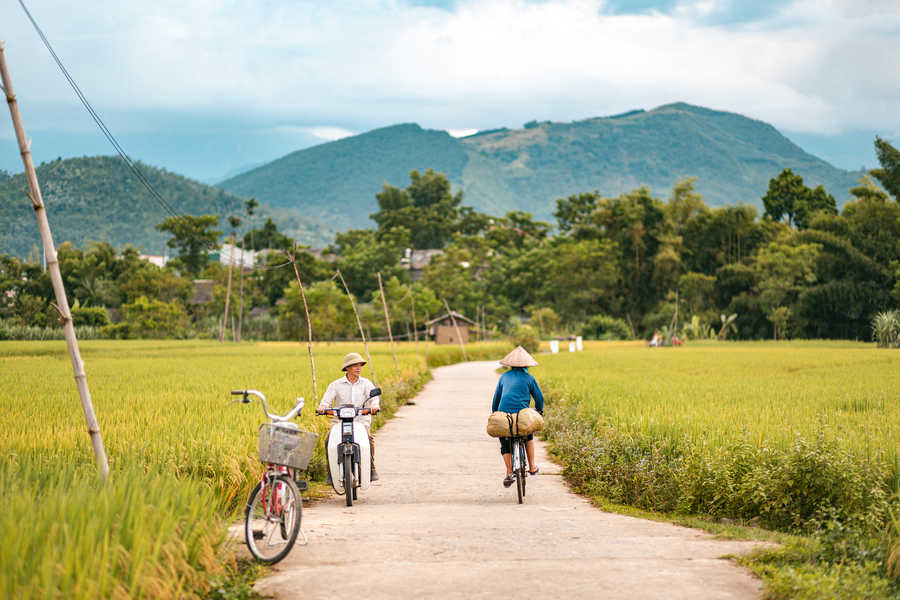
Hikes around Sapa take you through remote villages and let you cross paths with locals going about their daily life — in the fields, at weekend markets, in their weaving workshops. The terrain is mountainous, but the trails are accessible to most walkers.
Diving into ethnic minority culture
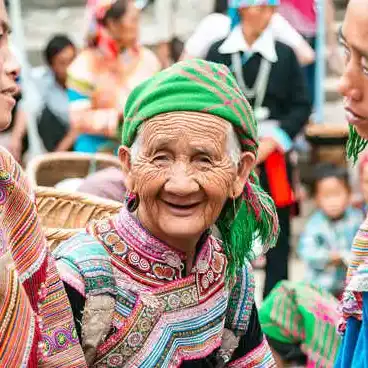
Traditional festivals, hand-embroidered costumes, bamboo architecture… Sapa is one of the best gateways into Vietnam’s ethnic diversity, far more pronounced in the North than in the South.
South Vietnam: urban energy, history and beach relaxation
The South moves to a different rhythm. Ho Chi Minh City pulses around the clock, the Mekong Delta stretches out as far as the eye can see, and the islands offer the country’s most beautiful beaches.
Ho Chi Minh City (Saigon): the city that never sleeps
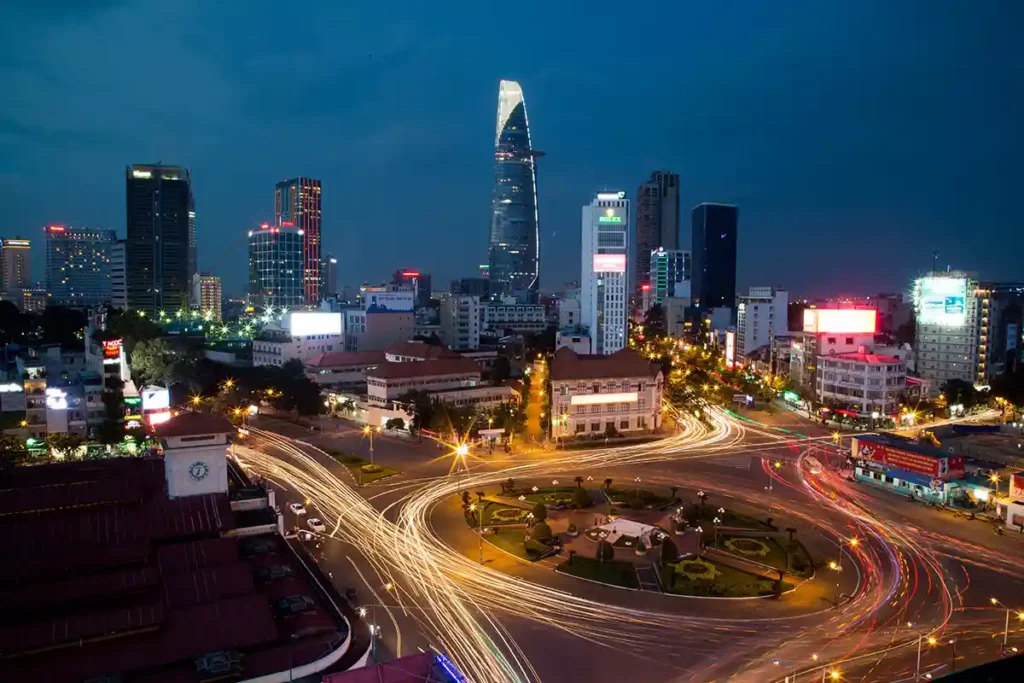
Formerly known as Saigon, Ho Chi Minh City is Vietnam’s economic engine. A constant contrast between its colonial past and glass towers, between street markets and trendy restaurants.
Vietnam War history
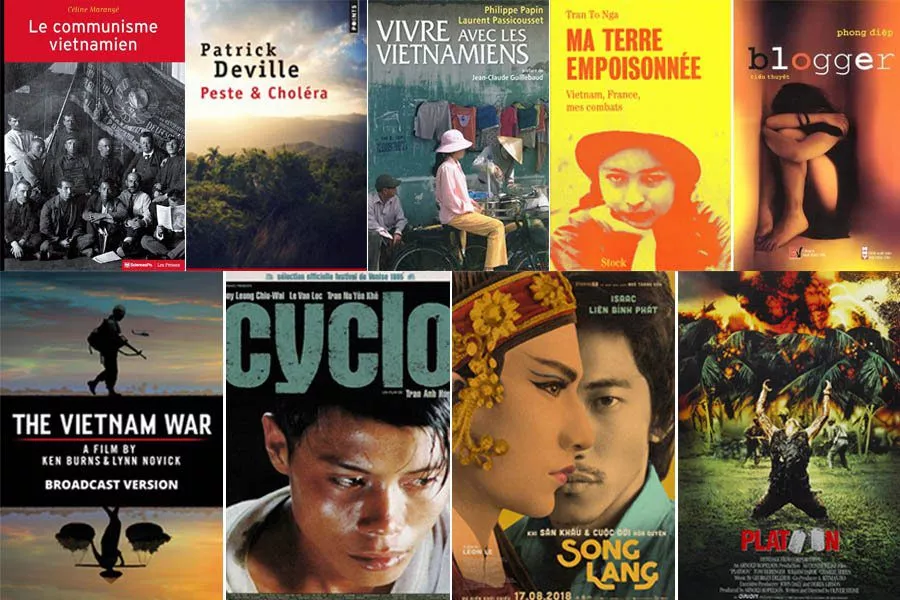
The War Remnants Museum and the Reunification Palace are must-sees for understanding the country’s contemporary history. The Cu Chi tunnels, 40 km from the city, perfectly complement this deep dive into the war years.
Colonial architecture meets skyscrapers
The Saigon Opera House, Notre-Dame Cathedral and the Central Post Office bear witness to the French colonial past. A few streets away, the Saigon Skydeck offers a 360° view over a metropolis in the midst of transformation.
Lively markets and street food
Ben Thanh Market is the most famous, but it’s the surrounding alleys that hide the best spots. Southern cuisine is spicier and sweeter than in the North: banh xeo (crispy pancakes), bun thit nuong (grilled pork vermicelli), goi cuon (fresh spring rolls)…
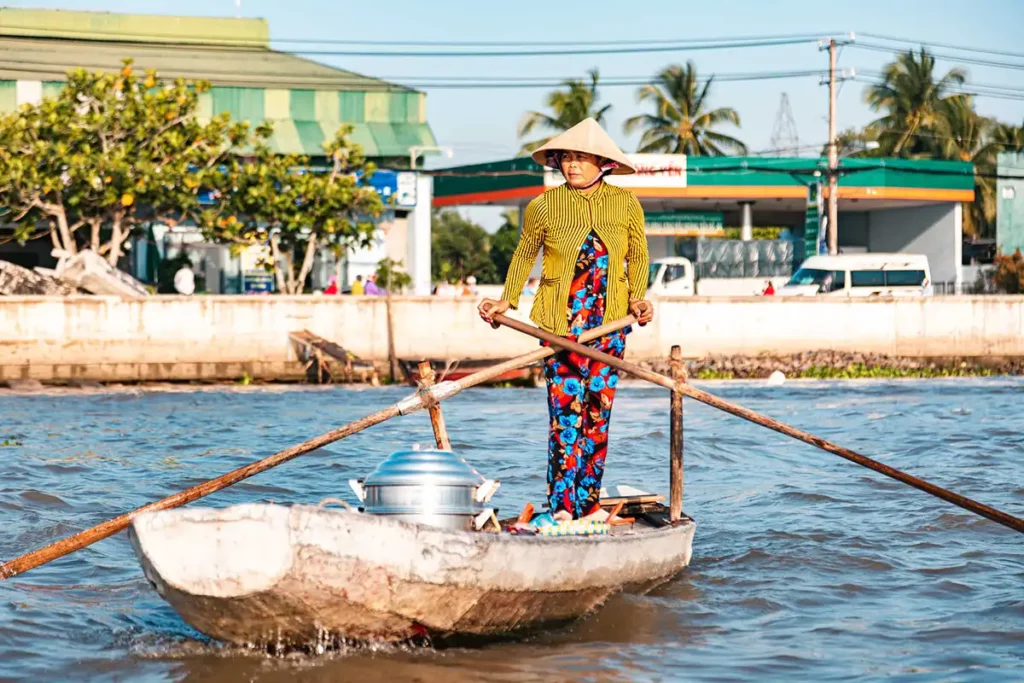
2 hours south of Ho Chi Minh City, the Mekong Delta is a maze-like network of canals, rice paddies and tropical orchards. It’s Vietnam’s rice basket.
Floating markets
Cai Rang and Cai Be are the best-known floating markets: dozens of boats loaded with fruit, vegetables and spices gather at dawn on the river. A colorful, authentic sight, best seen early in the morning to avoid the groups.
Boat rides and rural life
Boat rides along the narrow canals let you get up close to local life: coconut trees leaning over the water, craft workshops, rice fields as far as the eye can see. It’s an immersion into rural Vietnam, far from the classic tourist routes.
Phu Quoc and Con Dao: the South’s island paradises
The islands are one of South Vietnam’s biggest draws — and a good reason to choose it over the North.
Phu Quoc: beaches and diving
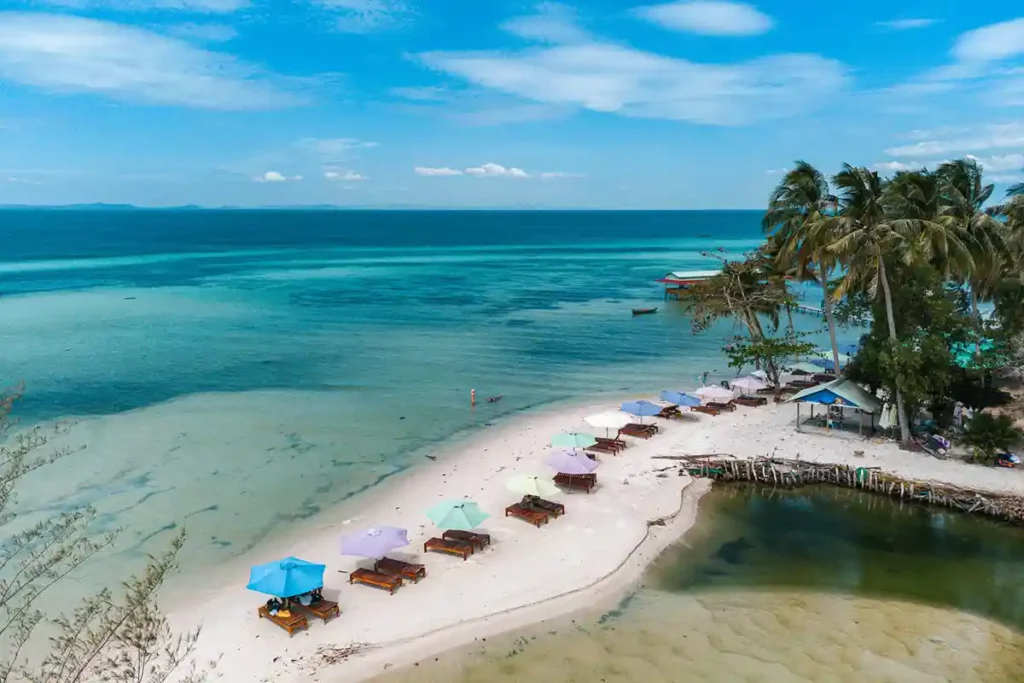
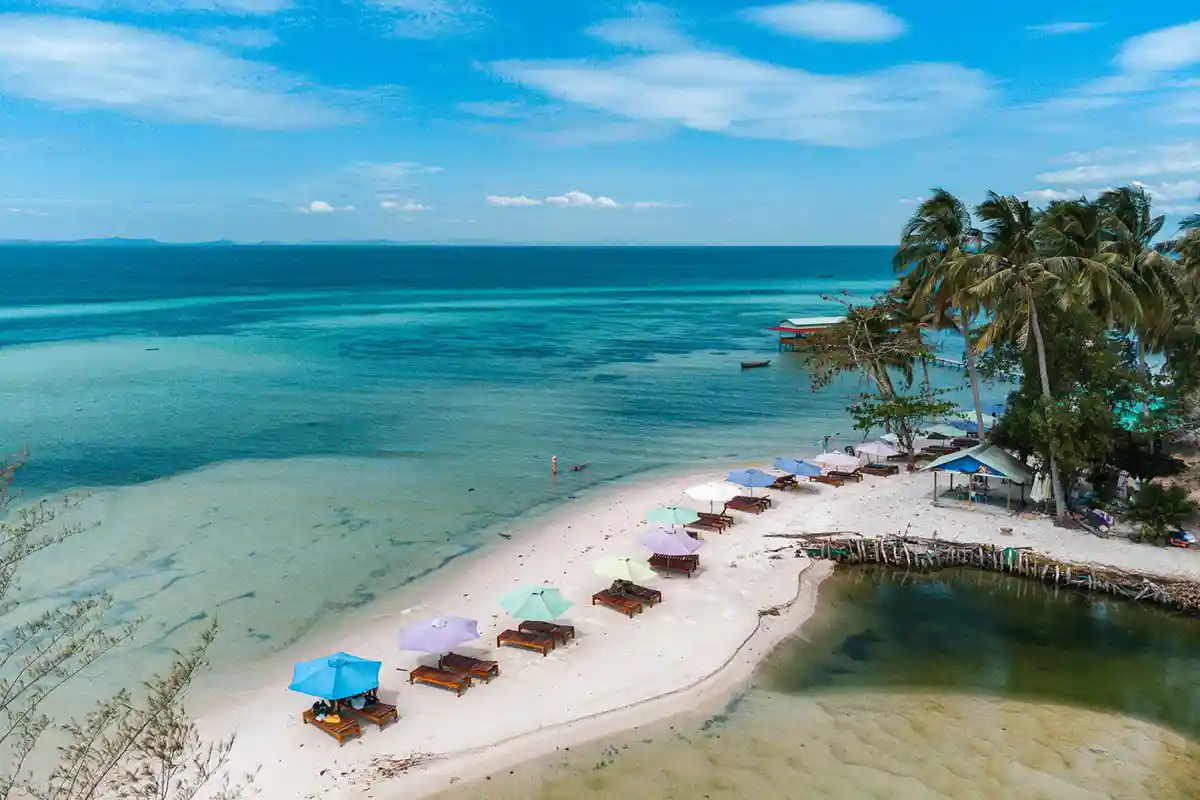
Phu Quoc is Vietnam’s largest island, off the Gulf of Thailand. Its beaches are among the country’s most beautiful: Bai Truong in the southwest, Bai Ong Lang in the north for lovers of wild coves. Diving is excellent year-round thanks to warm, shallow waters rich in coral and tropical fish.
Con Dao is still fairly under-the-radar — and that’s exactly its charm. This archipelago of 16 islands (only one inhabited) has a troubled past: a former French colonial penal colony, later a political prison. The remains can be visited. Today, Con Dao is mainly known for its crystal-clear waters, ideal for diving, its sea turtles, and its near-deserted beaches like Dam Trau. The national park covers over 20,000 hectares and offers some beautiful hikes.
Da Lat: cool air and romance in the Central Highlands
At 1,500 meters above sea level, Da Lat is an exception in the South: here, you won’t be sweating. The cool climate and green scenery make it a favorite destination for honeymoons among Vietnamese travelers themselves.
Tea and coffee plantations
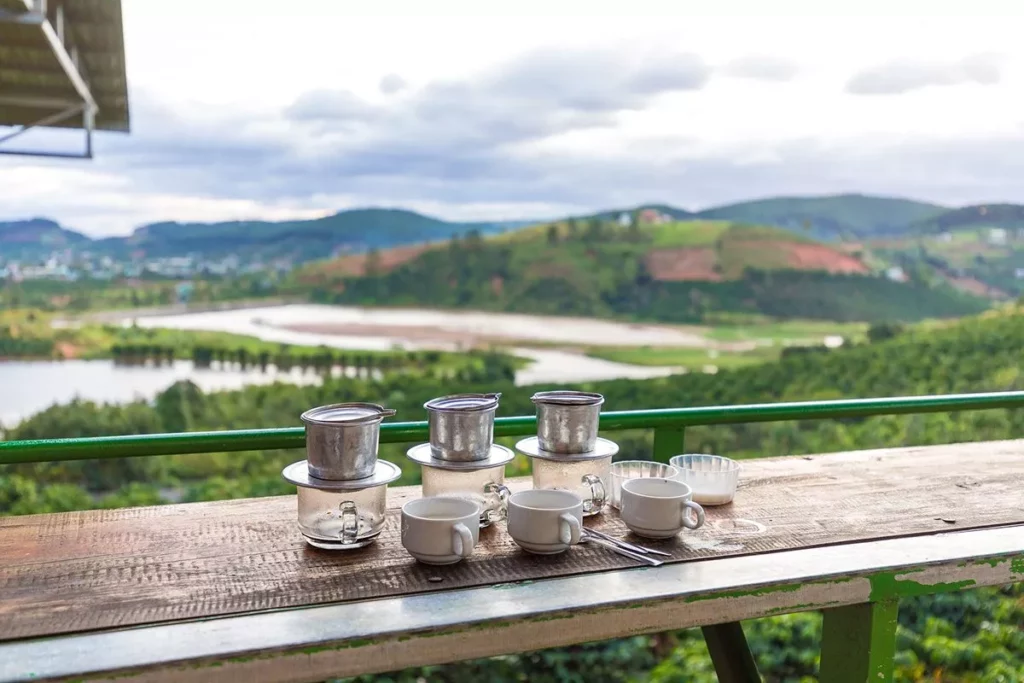
Da Lat sits at the heart of Vietnam’s main coffee-growing region. The tea and coffee plantations offer lovely walks and the chance to watch the leaves or beans being harvested and processed.
Waterfalls and romantic scenery
The Datanla, Pongour and Prenn waterfalls dot the area around the city. The lakes, flower gardens and rolling hills give Da Lat an atmosphere that stands apart from the hustle of the coastal cities.
Can you visit North and South Vietnam in a single trip?
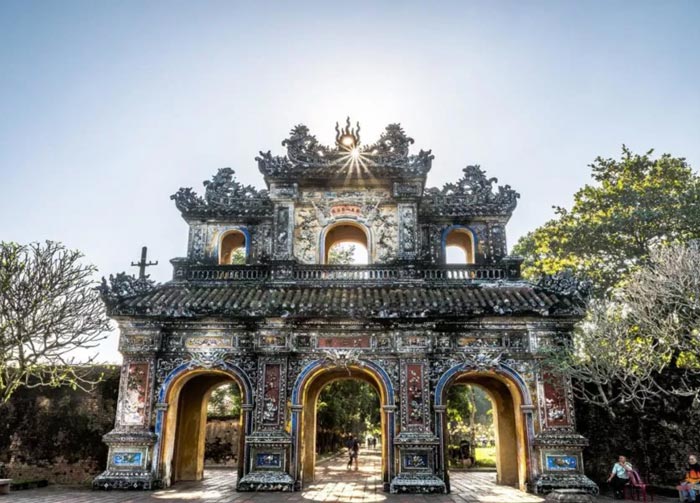
Yes, and it’s actually recommended for a first trip if you have 2 to 3 weeks. Most travelers do a “one-way loop” itinerary: arrive in Hanoi, head south by train or plane with stops in Hue, Hoi An, Ho Chi Minh City, then fly back. Domestic flights between Hanoi and Ho Chi Minh City are frequent and affordable (around a 1-hour flight).
North or South Vietnam: so, what should you choose?
There’s no wrong answer. North Vietnam wins you over with its grand natural scenery, cultural depth and authenticity. South Vietnam impresses with its energy, its variety of landscapes and its dream islands.
Your choice mostly comes down to what you’re after: mountain adventure or beach relaxation? Cultural immersion or an urban road trip? The two regions are complementary, and Vietnam as a whole remains one of the most rewarding destinations in Southeast Asia.
Need help building your itinerary? Contact us for a tailor-made tour, adapted to your pace and your interests.
Partager
Mathieu Arnaudet
Based in Vietnam, Mathieu Arnaudet leads marketing and communications for Parfum d’Automne. He leverages his local expertise to guide travelers through his blog posts.
Nous utilisons des cookies pour vous garantir la meilleure expérience sur notre site web. Si vous continuez à utiliser ce site, nous supposerons que vous en êtes satisfait.
Vous pouvez révoquer votre consentement à tout moment en utilisant le bouton « Révoquer le consentement ».